
Turkey Pushes to Expand Mecca Defense Pact Beyond Core Trio
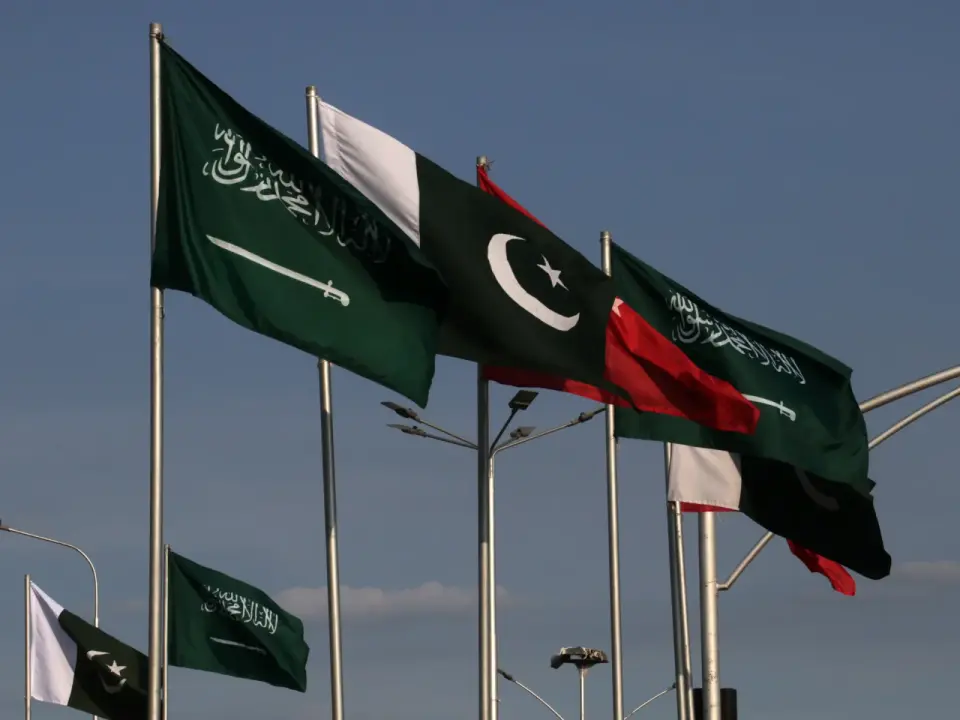
Turkey’s Foreign Minister Hakan Fidan stated that the new trilateral defense pact with Saudi Arabia and Pakistan should expand to include more nations, citing President Erdogan’s vision for a broader security umbrella. While Egypt is the primary candidate for immediate inclusion, analysts note significant legal and strategic hurdles for Cairo. Other potential members include Gulf states like Qatar and Kuwait, though the alliance may grow on a case-by-case basis rather than as a fixed bloc.
Key points
- Hakan Fidan declared that the alliance should not remain limited to three countries and should grow to include other regional states.
- Egypt is identified as the most likely next member, with Fidan calling it a 'natural partner' despite unresolved technical issues.
- Analysts warn that Egypt may hesitate due to concerns over binding military obligations and its existing peace treaties with Israel.
- Qatar and Kuwait are cited as potential future members, motivated by security concerns following recent regional conflicts.
- The pact’s core feature is a NATO-style clause where an attack on one member is treated as an attack on all.
Background
The Mecca Joint Deterrence Agreement was signed on August 7, 2026, by Turkey, Saudi Arabia, and Pakistan. This trilateral pact builds on a previous Saudi-Pakistan agreement and introduces a collective defense mechanism. Earlier analysis suggested the pact could reshape regional security dynamics and reduce reliance on US security guarantees, though it was explicitly not aimed at Iran. The current discussion focuses on the potential expansion of this framework to other regional actors.
How outlets are covering it
Al Jazeera emphasizes the diplomatic push for expansion, highlighting Fidan’s statements and the specific hurdles facing Egypt’s potential membership. CNN frames the pact as a strategic move by Saudi Arabia to secure protection from Iran, noting that the alliance consolidates military power from Turkey and Pakistan. While Al Jazeera focuses on the procedural and legal barriers to expansion, CNN highlights the immediate security implications for the region, particularly regarding Iranian threats. Both sources agree that the pact is not a sectarian bloc but differ on the immediacy of its impact on regional power dynamics.
Why it matters
The expansion of the Mecca pact could fundamentally alter the security architecture of the Middle East. If Egypt joins, the alliance gains significant political weight and operational reach. Conversely, if the pact remains limited, it may serve as a deterrent but fail to create a cohesive regional bloc. The outcome will influence how Gulf states and other regional powers navigate their security relationships with the US and Iran.
What to watch
Diplomatic consultations are ongoing to resolve technical issues regarding Egypt’s potential membership. The alliance may also engage with other Gulf states, particularly Qatar and Kuwait, to discuss their interest in joining. The specific terms of any expansion, including the degree of military commitment, will be determined through bilateral and multilateral negotiations.
- Which other countries could join the Turkiye-Saudi-Pakistan defence pact? Al Jazeera
- Saudi Arabia turns to Muslim military heavyweights in landmark defense pact as Iran war closes in cnn.com
- The Mecca pact is not just another regional alliance Al Jazeera
- Turkey, Pakistan, Saudi Arabia defence pact technically same as NATO's Article 5, Turkish minister says Reuters
- Turkey says defense pact with Saudi Arabia and Pakistan is not aimed at Iran or any other country AP News
Want the full story? Read the original reporting
Read on Al Jazeera