
UK-Israel Diplomatic Standoff Reaches Critical Deadline Over East Jerusalem Consulate
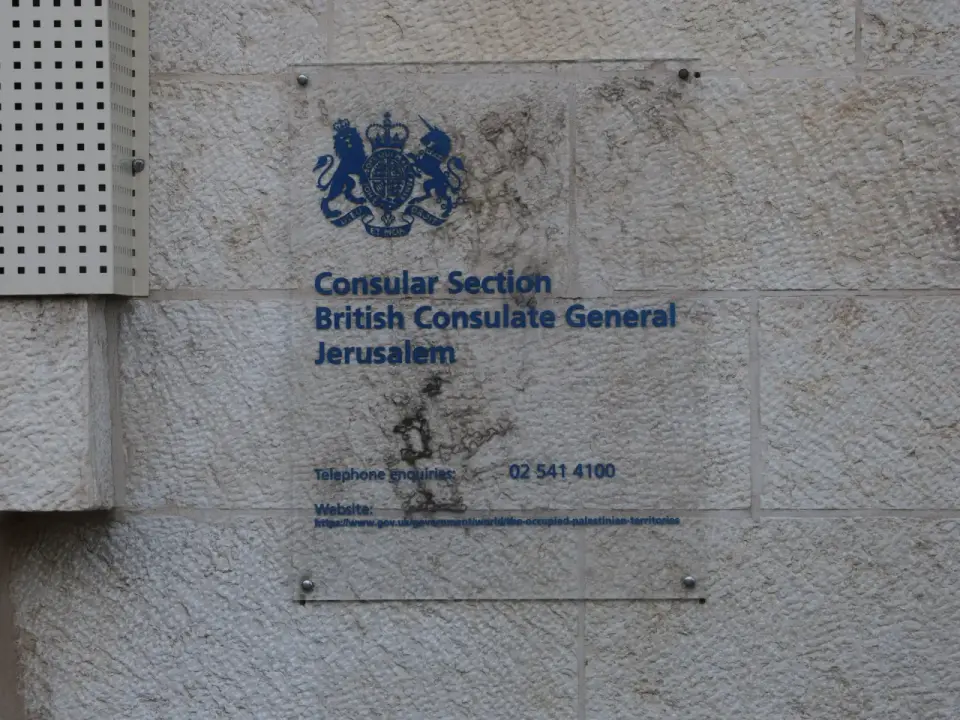
Israel’s deadline to force the closure of the UK’s East Jerusalem consulate is set for Thursday, October 8, marking 30 days since Foreign Minister Gideon Saar’s retaliatory order. The move responds to UK sanctions targeting illegal Israeli settlements in the West Bank. While UK National Security Adviser Jonathan Powell failed to secure a deferral during recent talks, London has threatened to expel up to 27 Israeli diplomats in a tit-for-tat response. Legal experts and former officials argue the closure is unlawful under international law, as East Jerusalem is recognized as occupied Palestinian territory. The dispute highlights a severe deterioration in UK-Israel relations, with Israel also barring 11 UK lawmakers and expelling the UK from a Washington-led Gaza coordination center.
Key points
- Israel ordered the closure of the UK’s East Jerusalem consulate within 30 days of UK sanctions on West Bank settlements, with the deadline set for October 8.
- The UK has threatened to expel 27 Israeli diplomats if the consulate closes, a move described as potentially the lowest point in British-Israeli relations since 1948.
- Former British consul Sir Vincent Fean and legal briefs argue the closure is unlawful, citing UN resolutions that declare Israeli attempts to alter Jerusalem’s status as null and void.
- UK National Security Adviser Jonathan Powell visited Israel to negotiate but failed to reach an agreement, despite internal concerns that sanctions might aid Prime Minister Netanyahu’s election campaign.
- Israel has also barred 11 UK lawmakers, including Jeremy Corbyn, and expelled the UK from a post-war Gaza coordination center, while France and Canada have faced no similar retaliatory actions.
Background
This crisis follows the UK’s September 2025 formal recognition of the State of Palestine and subsequent sanctions on Israeli settlements, which marked a significant shift in British foreign policy. Earlier warnings from security officials suggested that rushing sanctions could harm intelligence cooperation and domestic political stability ahead of Israel’s October 27 election. The current standoff represents the culmination of months of deteriorating relations, including arms export bans and public condemnations of settler violence by UK Foreign Secretary Ed Miliband.
How outlets are covering it
Al Jazeera emphasizes the illegality of Israel’s actions under international law, citing former consul Sir Vincent Fean and a legal brief endorsed by former Attorney General Dominic Grieve. The outlet highlights the potential for Israel to use utility cut-offs to force closure and notes the UK’s refusal to comment publicly. The Guardian focuses on the diplomatic fallout, detailing the threat to expel 27 Israeli diplomats and the concern among Western allies that the closure sets a dangerous precedent for diplomatic missions in Jerusalem. BBC reports highlight the potential 'grievous damage' to UK-Israel relations, particularly in defense and security sectors, and note that former ambassador Matthew Gould views the expulsion threat as a significant escalation rather than a symbolic gesture. All sources agree that the UK’s stance is driven by a desire to uphold international law, while Israel views the UK’s sanctions as 'morally distorted' and hostile.
Why it matters
The outcome of this standoff could redefine the status quo in East Jerusalem and set a precedent for how international law is enforced regarding occupied territories. If the UK accepts the closure, it may legitimize Israeli sovereignty claims over East Jerusalem, undermining the two-state solution. Conversely, a strong response could further isolate Israel diplomatically but risk severing critical security and intelligence ties. The dispute also highlights the growing frustration among Western allies with Israel’s settlement policies and its willingness to retaliate against diplomatic partners.
What to watch
The UK is expected to decide whether to proceed with the expulsion of Israeli diplomats if the consulate closes on October 8. Israel may attempt to enforce the closure through logistical measures, such as cutting off electricity or water to the consulate. The UK government has not publicly confirmed its final decision, but internal pressure from legal and diplomatic advisors suggests a strong resistance to accepting the closure. The outcome will likely influence the trajectory of UK-Israel relations and the broader international response to Israeli settlement policies.
- ‘Not the act of a friend’: Israel’s deadline to close UK consulate nears Al Jazeera
- UK to make last-ditch effort to stop Israel closing East Jerusalem consulate BBC
- UK threatens to expel Israeli diplomats over planned East Jerusalem consulate closure The Guardian
- UK security adviser visited Israel in bid to keep Jerusalem consulate open, sources say Reuters
- Britain threatens to expel 27 Israeli diplomats over Jerusalem consulate closure Ynetnews
Want the full story? Read the original reporting
Read on Al Jazeera