
UK to Share Storm Shadow Blueprints with Ukraine Amid US Patriot Shortage
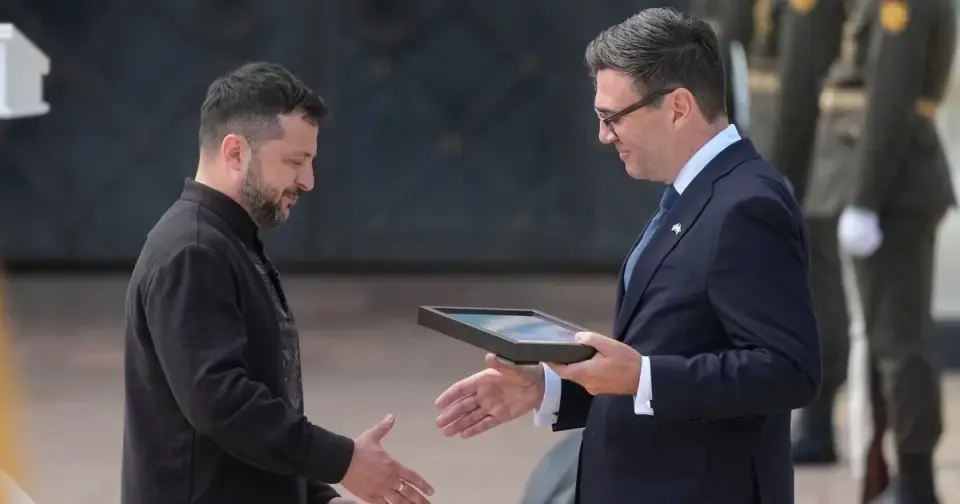
The UK will share classified blueprints for the Storm Shadow cruise missile with Ukraine, enabling Kyiv to produce the weapon domestically. This move, announced during Prime Minister Andy Burnham’s visit to Kyiv, aims to boost Ukraine’s strike capability against Russian targets. However, analysts note that production scaling will take years and does not address Ukraine’s urgent need for Patriot air defense interceptors, which the US has refused to share.
Key points
- The UK and France will share classified technology for the Storm Shadow/SCALP missile, allowing Ukraine to establish a production line by the end of 2026.
- Storm Shadow missiles have a range of 560km and cost approximately $1m each, targeting hardened Russian military sites that cheaper drones cannot effectively hit.
- Analysts warn that scaling production will take two years and relies on complex supply chains, including some US-approved components, limiting immediate impact.
- The move contrasts with US President Donald Trump’s refusal to share Patriot interceptor technology, leaving Ukraine vulnerable to Russian ballistic missile attacks.
- Ukraine is developing its own long-range weapons, such as the FP-5 Flamingo, but lacks the capacity to produce advanced air defense interceptors like the Patriot system.
Background
In August 2026, Russia condemned the UK’s decision to share missile technology, warning it would fuel the war. Ukraine has been expanding its long-range strike capabilities, using Flamingo missiles to hit targets over 900km from the border, including Russian satellite and rocket facilities. Meanwhile, US support for Ukraine has become erratic, with Washington refusing to share Patriot interceptor technology despite initial promises.
How outlets are covering it
Al Jazeera emphasizes the strategic significance of the UK’s move in countering US backpedaling, highlighting Ukraine’s growing defense industry. CNN focuses on the technical details of the Storm Shadow missile and the Kremlin’s angry reaction, noting the missile’s effectiveness against hardened targets. BBC offers a more skeptical view, arguing that while the blueprints are a positive signal, they do not solve Ukraine’s most pressing need for air defense interceptors. BBC also notes that NATO nations are shifting away from expensive, low-volume weapons like Storm Shadow toward cheaper, mass-produced alternatives, such as the UK’s Project Brakestop.
Why it matters
The UK’s decision to share missile blueprints signals a shift in European support for Ukraine as US backing wanes. It could enhance Ukraine’s ability to strike deep into Russian territory, potentially reducing Russian military capacity. However, the long timeline for production and the lack of air defense support mean the move may not immediately alter the war’s trajectory. It also sets a precedent for future allied cooperation in sharing advanced military technology.
What to watch
Ukraine and its allies aim to establish a Storm Shadow production line by the end of 2026, though full scaling may take two years. The Coalition of the Willing will conduct military exercises in Poland in October and November. Ukraine continues to develop its own interceptor missiles, such as Project Freya, but faces significant technological and financial challenges. The US remains unlikely to share Patriot technology, leaving Ukraine’s air defense gap unresolved.
- UK to help Ukraine build Storm Shadow long-range missiles: Why it matters Al Jazeera
- Britain’s giving Ukraine access to secret missile technology. Will it make a difference? CNN
- UK missiles offer may help Ukraine - but they are not what Zelensky needs most BBC
- Kremlin says British missile help for Ukraine 'adds fuel to the fire' Reuters
- Burnham likens Ukraine fight to British stand against Nazis DW.com
Want the full story? Read the original reporting
Read on Al Jazeera