
Zaluzhny Dismisses NATO Membership, Urges Focus on European Security Blocs
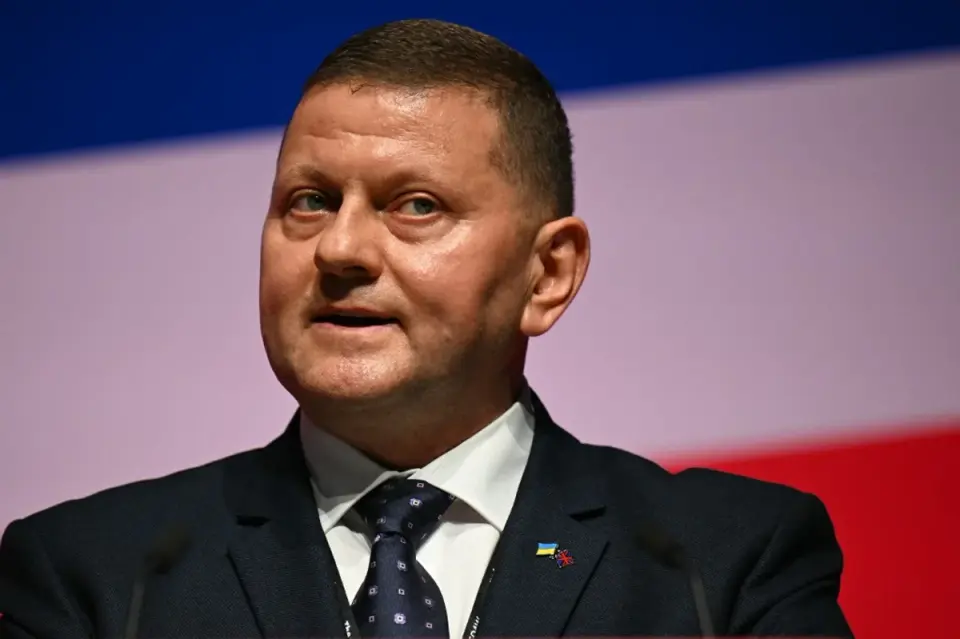
Former Ukrainian commander Valery Zaluzhny stated that Kyiv will never join NATO, arguing the alliance’s outdated doctrines are incompatible with modern warfare. He advocated for alternative security frameworks, specifically the Joint Expeditionary Force and a future European security bloc, while acknowledging Ukraine’s need for advanced NATO technologies.
Key points
- Zaluzhny declared at a Kyiv diplomatic gathering that Ukraine will never join NATO, citing a mismatch between the alliance’s 'World War II' doctrines and the Armed Forces of Ukraine’s current capabilities.
- He suggested that Ukraine should instead pursue security guarantees through the Joint Expeditionary Force (JEF) and a potential 'European security bloc,' noting that JEF lacks mutual defense obligations but offers intelligence sharing and joint exercises.
- Despite rejecting membership, Zaluzhny emphasized that Ukraine requires technologies currently held by NATO members, specifically anti-ballistic defense systems and space capabilities.
- The remarks come as Ukraine’s EU accession talks face delays due to Hungarian vetoes and slow domestic reform progress, while Zaluzhny remains the most trusted public figure in Ukraine with 73% support.
- Zaluzhny was dismissed as commander-in-chief in 2024 over strategic disagreements with President Zelensky and currently serves as Ukraine’s ambassador to the United Kingdom.
Background
This statement follows a period of intense debate regarding Ukraine’s Euro-Atlantic integration. In July 2026, Zaluzhny signaled potential interest in a presidential bid if elections were held, highlighting his significant public support. Recent incidents, including a Russian missile landing in Poland in early August, have intensified discussions about NATO readiness and the need for a unified European air-defense system. Meanwhile, Ukraine’s EU accession process has stalled, with Hungary blocking key screening approvals and Kyiv’s reform pace lagging behind Western Balkan candidates.
How outlets are covering it
Kyiv Post and European Pravda reported the core of Zaluzhny’s argument, emphasizing his frustration with NATO’s slow adaptation and his preference for the Joint Expeditionary Force. Reuters provided additional context on his dismissal in 2024 and noted that while NATO membership is enshrined in Ukraine’s constitution, the country has acknowledged it is not currently welcomed by all members. In contrast, an opinion piece in Eurasia Review argued the opposite, suggesting that the prolonged war actually increases the likelihood of Ukraine joining NATO as Western support grows and Ukraine becomes a more valuable ally. While the primary sources focus on the practical and doctrinal barriers to membership, the Eurasia Review perspective frames the issue as a strategic inevitability driven by the war’s duration.
Why it matters
Zaluzhny’s comments signal a potential shift in Ukraine’s security strategy, moving away from the long-standing goal of NATO membership toward alternative European security architectures. This could influence future defense cooperation and diplomatic negotiations with Western allies, particularly as the war enters its fifth year and traditional alliance structures face criticism for their pace and relevance.
What to watch
Ukraine is expected to continue pursuing its EU accession track despite current delays, while simultaneously deepening its integration into the Joint Expeditionary Force. The development of a 'European security bloc' may become a more prominent topic in diplomatic discussions as Kyiv seeks alternative security guarantees. The outcome of these efforts will depend on the progress of EU accession talks and the evolution of European defense cooperation.
- After 12 Years of Chasing Memberships Standards, Ukraine Will Never Join Nato, Zaluzhny Says Kyiv Post
- Ukraine's Ambassador to UK Zaluzhnyi: Ukraine will never join NATO Українська правда
- Former Ukrainian top commander sees no prospect of Kyiv joining NATO Yahoo
- The Longer Putin Continues War In Ukraine, The More Likely Ukraine To Become A Member Of NATO - OpEd Eurasia Review
- Zaluzhnyi says Ukraine is unlikely to join NATO and urges focus on new security alliances Межа. Новини України.
Want the full story? Read the original reporting
Read on Kyiv Post