
Ukraine Strikes Surgut Plant, Hitting Russia's Largest Oil Region
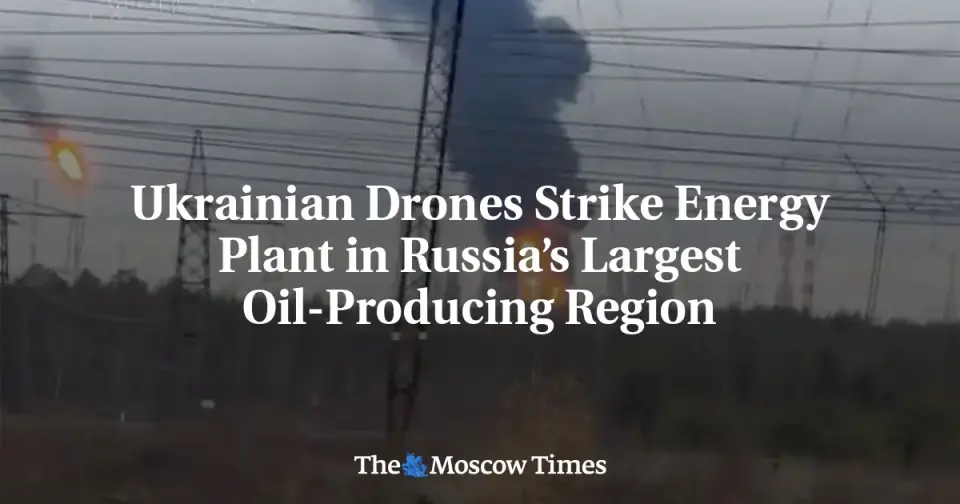
A suspected Ukrainian drone attack ignited a fire at the Surgut Condensate Stabilization Plant in Russia's Khanty-Mansi autonomous district, marking the first strike on energy infrastructure in the country's largest oil-producing region. The facility, owned by Gazprom Pererabotka, processes 12 million metric tons of crude and gas condensate annually. This attack follows Ukraine's decision to resume strikes on Russian energy sites after a brief pause, citing Russia's continued attacks on Ukrainian civilians. While Russian authorities confirmed the fire and flight restrictions, they did not explicitly claim responsibility for the attack, though regional officials had previously issued drone alerts.
Key points
- A fire broke out at an industrial facility in Surgut, Khanty-Mansi, following a suspected drone attack on October 15-16, 2026.
- The target is identified as the Surgut Condensate Stabilization Plant, owned by Gazprom Pererabotka, with a capacity of 12 million metric tons per year.
- The plant produces gasoline, diesel, jet fuel, and liquefified petroleum gas, located 2,500 kilometers from the Ukrainian border.
- Ukraine resumed strikes on Russian energy infrastructure after a three-day pause, citing Russia's failure to honor an 'energy ceasefire' and continued attacks on Ukrainian civilians.
- Russian authorities confirmed the fire and imposed flight restrictions at airports in Surgut and Kogalym, but did not officially claim responsibility for the attack.
Background
This strike is part of a sustained Ukrainian campaign targeting Russian energy infrastructure, which has reduced Russian refining capacity to near 20-year lows. Previous strikes in 2026 included attacks on the Rostov oil terminal, Saratov refinery, and Novatek plant, contributing to a fuel crisis in Russia with rising gasoline and diesel prices. The current strike follows a brief pause in Ukrainian attacks on Russian refineries, which was requested by U.S. President Donald Trump as part of an 'energy ceasefire' that Ukraine initially honored but later resumed due to Russian continued attacks.
How outlets are covering it
The Moscow Times and The Kyiv Independent report that the attack targeted the Surgut Condensate Stabilization Plant, with Ukrainian officials and activists claiming responsibility. The Kyiv Independent notes that Ukrainian officials have not publicly claimed responsibility, while The Moscow Times cites Ukrainian monitoring channel Supernova+ as identifying the facility. UNITED24 Media reports that Russian authorities declared a drone threat across Khanty-Mansi and neighboring regions, but does not confirm that drones entered or struck facilities on October 16. The Kyiv Independent highlights the dispute between Kyiv and Washington over Ukrainian attacks on Russian oil and energy infrastructure, with U.S. President Donald Trump blaming Ukrainian strikes for rising global fuel prices, a claim disputed by energy experts. The Moscow Times notes that the attack came after Ukraine resumed strikes following an 'energy ceasefire' declared by Trump, with Ukrainian President Volodymyr Zelensky stating that Russia had failed to observe the ceasefire and had killed more than 100 civilians over the previous week.
Why it matters
The strike on the Surgut plant marks the first attack on energy infrastructure in Russia's largest oil-producing region, which accounts for around 40% of Russia's oil production. This could further disrupt Russian fuel supplies and exacerbate the fuel crisis in Russia, with gasoline and diesel prices already rising 20% since early 2026. The attack also highlights the ongoing tensions between Ukraine and the U.S. over energy sanctions and the 'energy ceasefire', with Ukraine resuming strikes due to Russia's continued attacks on Ukrainian civilians. The strike may have implications for global fuel prices and Russia's ability to sustain its war effort.
What to watch
The extent of the damage to the Surgut plant is still being assessed, and Russian authorities are monitoring the situation. Ukraine may continue strikes on Russian energy infrastructure, while Russia may increase its attacks on Ukrainian energy sites. The U.S. may face pressure to enforce the 'energy ceasefire' or support Ukraine's strikes, depending on the outcome of the dispute between Kyiv and Washington. The fuel crisis in Russia may worsen, with potential impacts on global fuel prices and Russia's war effort.
- Ukrainian Drones Strike Energy Plant in Russia’s Largest Oil-Producing Region The Moscow Times
- Drones Hit Russian Industrial Site Deep in Western Siberia Bloomberg.com
- Drones strike one of Russia's main gas condensate plants, which also produces diesel Українська правда
- Russian industrial facility reportedly on fire after drone attack in Surgut region The Kyiv Independent
- Russia’s Remote Siberian Oil Regions Face Renewed Drone Alerts 2,500 Kilometers From Ukraine UNITED24 Media
Want the full story? Read the original reporting
Read on The Moscow Times