
Ukraine’s Massive Drone Barrage Grounds Moscow Airports and Strikes Balakovo Data Center
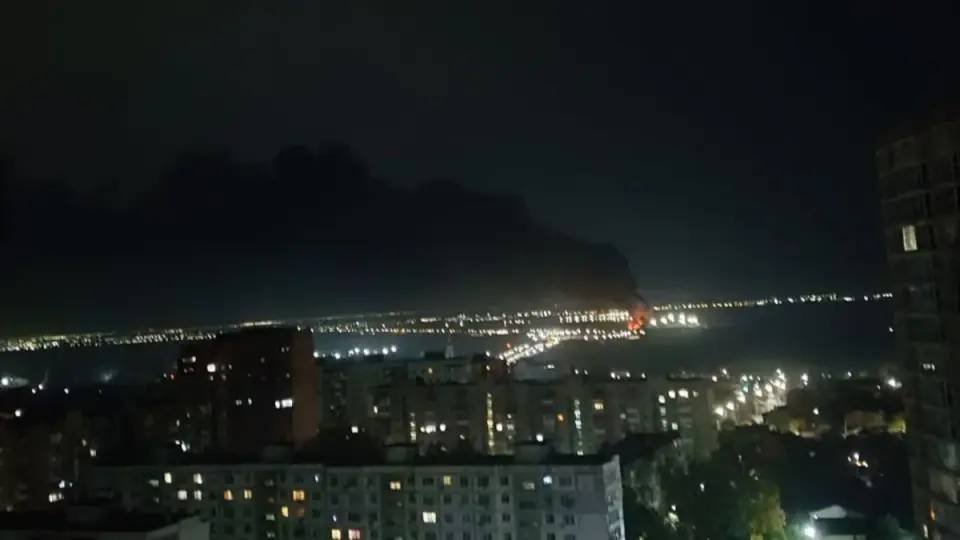
Ukraine launched a massive drone campaign against Russia, sending nearly 500 drones toward Moscow and striking targets in Saratov Oblast. The attack grounded all four Moscow airports for hours, killed one person in Balakovo, and reportedly damaged a major Sberbank data center and an oil terminal in Rostov-on-Don.
Key points
- Moscow Mayor Sergey Sobyanin reported 493 drones approached the capital overnight, with 180 intercepted by air defenses.
- All four Moscow airports (Sheremetyevo, Domodedovo, Vnukovo, Zhukovsky) suspended operations, with Vnukovo closed for over eight hours.
- A drone strike in Balakovo, Saratov Oblast, killed one person and damaged residential buildings near a Sberbank data center and metallurgical plant.
- A fire at the NZNP oil terminal in Rostov-on-Don continued for four days, damaging at least eight of its twelve storage tanks.
- Russia’s Defense Ministry claimed 902 Ukrainian drones were shot down across various regions overnight.
Background
This attack follows a pattern of escalating Ukrainian strikes on Russian infrastructure in October 2026. On October 5-6, a 650-drone barrage targeted an oil depot supplying Moscow airports, and on October 8-9, strikes hit missile fuel plants and Yandex data centers. The current attack continues this trend, focusing on digital and energy infrastructure.
How outlets are covering it
Kyiv Post and The Daily Beast emphasize the scale of the attack and its impact on Moscow’s aviation and infrastructure, highlighting the disruption to daily life and the vulnerability of Russian air defenses. The New York Times focuses on the immediate impact on government flights, noting that planes carrying President Putin and his aides were forced to divert or circle Moscow. The Moscow Times provides a broader perspective on the cumulative impact of drone threats on Russian aviation, noting that flight cancellations have doubled in the first nine months of 2026, with over 7.6 million passengers experiencing delays of over three hours. While Kyiv Post and The Daily Beast focus on the immediate event, The Moscow Times contextualizes it within a longer-term trend of aviation disruptions.
Why it matters
The attack demonstrates Ukraine’s growing capability to strike deep into Russian territory, targeting critical infrastructure such as data centers and oil terminals. The grounding of all Moscow airports and the diversion of government flights highlight the vulnerability of Russian air defenses and the potential for further disruptions to civilian and state operations. The damage to the Sberbank data center and the Rostov-on-Don oil terminal could have significant economic and logistical implications for Russia, affecting both its digital infrastructure and its energy exports.
What to watch
Russian authorities are likely to increase air defense measures around Moscow and other major cities in response to the attack. Ukraine may continue to target Russian infrastructure, including data centers and oil facilities, in an effort to disrupt the Russian war effort. The ongoing fire at the Rostov-on-Don oil terminal may lead to further environmental and economic consequences, and the damage to the Sberbank data center could affect Russian digital services. International observers will be watching for any escalation in the conflict and the potential for further strikes on Russian infrastructure.
- Nearly 500 Drones Head Toward Moscow as Russian Data Centers and Oil Facilities Face Attacks Kyiv Post
- Beleaguered Putin Suffers Through Eight-Hour Humiliation The Daily Beast
- Ukrainian Drones Close Moscow Airports as Putin Flies Back to Russia The New York Times
- All 4 Moscow Airports Restrict Flights Amid Drone Attack The Moscow Times
- Moscow mayor says 30 drones targeted Russian capital Breakingthenews.net
Want the full story? Read the original reporting
Read on Kyiv Post