
Ukraine's Operation Vivaldi Secures Donbas Gains Despite Starlink Restrictions
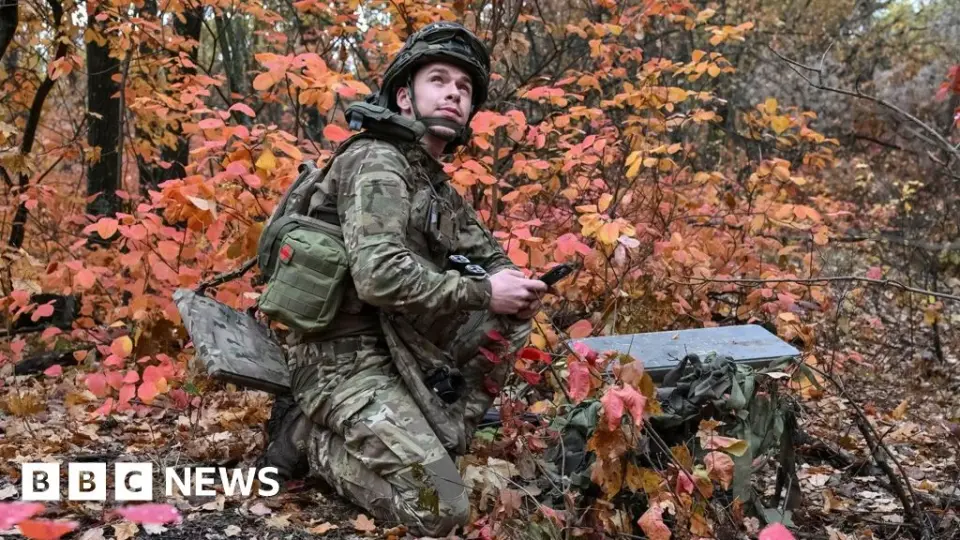
Ukraine's Operation Vivaldi has liberated 277 square kilometers in eastern Donbas, inflicting 8,000 Russian casualties. The offensive relied on integrated drone and artillery tactics, though recent US-imposed restrictions on Starlink communications have raised concerns about future operational capabilities.
Key points
- Ukraine's Operation Vivaldi has reclaimed 277 sq km of territory in eastern Donbas, including 16 settlements, according to Kyiv.
- The offensive utilized a combination of drones, unmanned ground vehicles, and heavy artillery to prevent Russian counterattacks.
- Ukraine reported 8,000 Russian casualties during Vivaldi, with nearly 50,000 total Russian losses in September.
- US-imposed restrictions on Starlink satellite communications, potentially ordered by the White House, have limited Ukrainian drone operations.
- Diplomatic tensions between Kyiv and Washington have intensified, with Zelensky accusing Trump of betrayal.
Background
This operation follows earlier Ukrainian advances near Lyman, which Russian officials had previously dismissed as exaggerated. The conflict has seen a shift from traditional artillery dominance to a hybrid battlefield where drones and precision strikes play a critical role. Previous diplomatic efforts focused on temporary energy pauses rather than comprehensive peace deals, highlighting the ongoing stalemate in negotiations.
How outlets are covering it
BBC emphasizes the human cost and the strategic success of Operation Vivaldi, highlighting the integration of Starlink and the emotional toll on soldiers. Business Insider and Sandboxx focus on the continued relevance of artillery, noting that Ukrainian forces used HIMARS and howitzers to maintain fire superiority and prevent Russian reinforcements. While all sources agree on the territorial gains, they differ in emphasis: BBC highlights the diplomatic fallout with the US, while Business Insider and Sandboxx focus on the tactical balance between drones and artillery.
Why it matters
The success of Operation Vivaldi demonstrates Ukraine's ability to adapt to a drone-dominated battlefield while maintaining traditional artillery capabilities. However, the US-imposed restrictions on Starlink highlight the vulnerability of modern warfare to political decisions, potentially undermining future Ukrainian operations. The diplomatic tensions between Kyiv and Washington could impact future military support and the broader war effort.
What to watch
Ukraine may face challenges in sustaining its offensive if Starlink restrictions continue. Diplomatic relations between Kyiv and Washington will likely remain strained, potentially affecting future military aid. Russia may attempt to regain lost positions, but Ukrainian artillery and drone integration could prevent significant counterattacks.
- Ukraine pushes Russia back on front line where Starlink has played key role BBC
- Ukraine says it frees more territory in Donetsk region counteroffensive Reuters
- Ukraine's Operation Vivaldi shows why artillery still matters in a drone fight Business Insider
- Ukraine’s eastwards counterattack is proving successful thanks to artillery Sandboxx
- Ukraine reports more battlefield gains as Putin’s invasion loses momentum Atlantic Council
Want the full story? Read the original reporting
Read on BBC