
Macron Orders Protection of Critical Sites as Russian Hybrid Threats Escalate
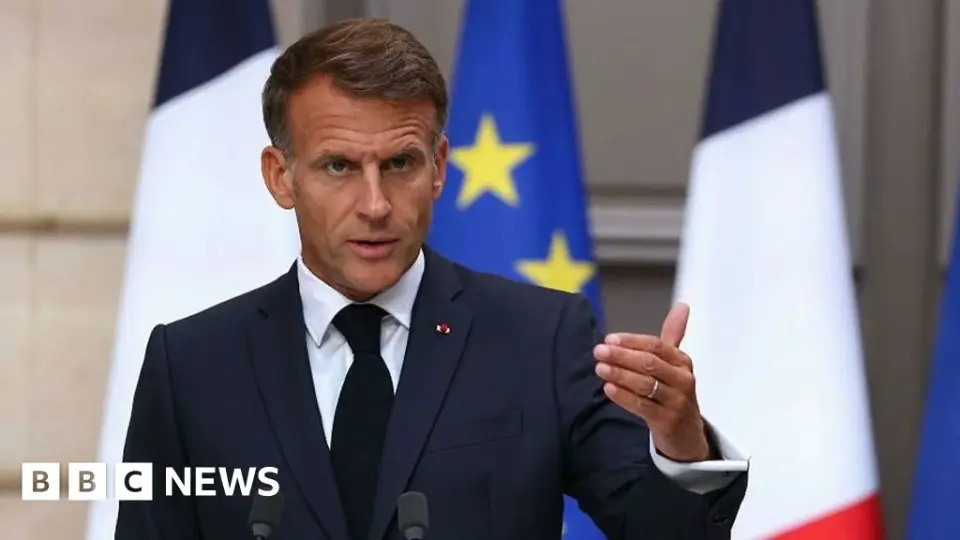
French President Emmanuel Macron has declared that Russian hybrid attacks against Europe have intensified, prompting a new national plan to safeguard critical infrastructure and defense sites. Macron stated that France has recently faced such threats and will respond accordingly, emphasizing that the goal is to intimidate Europe and undermine support for Ukraine. He highlighted recent incidents, including a drone strike near the Poland-Ukraine border and suspicious fires at defense facilities across Europe, while noting that Russia denies involvement. Macron also announced a G7 meeting to address energy security and gas reserves, urging domestic political candidates not to blame the government for fuel price inflation driven by international circumstances.
Key points
- Macron ordered a specific plan to protect critical infrastructure and defense industry sites from drone and cyberattacks.
- The French president stated that recent hybrid attacks against France would not be left without a response.
- Macron linked the intensified threat to an attempt to break European commitment to supporting Ukraine.
- He referenced a recent drone strike on a passenger train near the Poland-Ukraine border and suspicious fires at defense facilities in Italy and Estonia.
- France will convene a G7 meeting to discuss energy issues, including potential releases of strategic gas reserves.
- Macron called on election candidates not to exploit public unease over fuel prices, attributing inflation to uncontrollable international factors.
Background
This development follows a series of escalating tensions in late 2026. In August, France announced plans to supply interceptor missiles to Ukraine after Russian strikes hit civilian infrastructure. By early September, European capitals were debating cautious responses to a surge in hybrid attacks, including the Leipzig drone incident, which led to new sanctions and discussions on NATO Article 5 triggers. Analysts had previously characterized these actions as calculated probes of Western unity rather than prelude to full-scale war. Macron’s latest address builds on this trajectory, moving from diplomatic caution to concrete domestic security measures and international coordination on energy.
Why it matters
Macron’s announcement signals a shift from passive monitoring to active defensive posturing within the EU. By framing hybrid attacks as a direct threat to national security and linking them to the broader conflict in Ukraine, France is attempting to unify European response and deter further escalation. The call for a G7 energy meeting indicates that the conflict is spilling over into economic stability, forcing leaders to address supply chain vulnerabilities and strategic reserves. This move also sets the stage for the upcoming French elections, where security and energy costs are likely to be central issues, potentially influencing the outcome between Macron and opposition candidate Marine Le Pen.
What to watch
Expect France to implement the new protection plan for critical infrastructure in the coming weeks. A G7 meeting will be scheduled to discuss energy cooperation and potential strategic reserve releases. Domestic political debates will likely intensify as candidates in the April-May elections address fuel price inflation and security policies. European leaders may continue to coordinate messaging and defensive measures in response to ongoing Russian hybrid activities, while monitoring for further incidents like the recent train strike and defense facility fires.
Want the full story? Read the original reporting
Read on BBC