
US Weighs Major Middle East Troop Cuts as Iran War Exposes Base Vulnerabilities
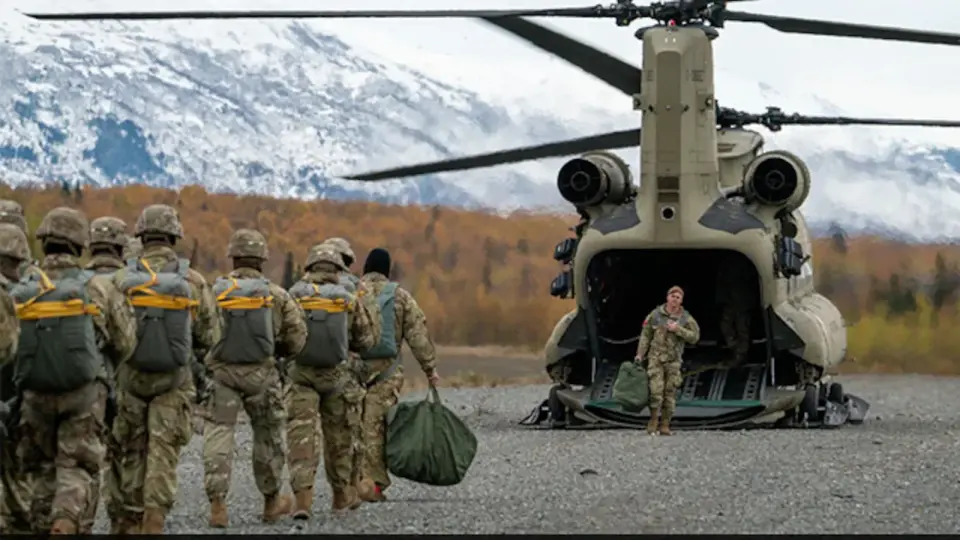
US military and intelligence officials are quietly planning to reduce their Middle East footprint following the Iran conflict, potentially shifting to a lighter, mission-based presence. While 50,000 troops remain deployed, planners are evaluating options to leave damaged bases unrepaired or move operations underground to counter Iranian drone attacks. The shift reflects a strategic reassessment of a 20-year post-9/11 presence, though no formal withdrawal timeline exists as the war continues.
Key points
- US military and intelligence agencies are discussing options to reduce troops and facilities in the Middle East if the Iran war ends, with potential changes as early as next year.
- The US currently maintains approximately 50,000 troops, two aircraft carriers, and over a dozen guided-missile destroyers in the region, a presence that has grown since 2001.
- Iranian drone and missile attacks have killed 18 US service members and damaged key installations, including the CIA outpost in Riyadh and bases in Bahrain, Qatar, and Saudi Arabia.
- Planners are considering keeping personnel and equipment in the US for specific missions rather than permanent basing, or declining to rebuild severely damaged facilities due to high costs.
- Some key locations will remain operational during the ongoing conflict to support air strikes, while the Navy has stated it will not return to Bahrain, home of the 5th Fleet, 'anytime soon.'
- CIA officers withdrawn during the peak of fighting are being redeployed to the region, and some installations may be moved underground to improve defense against future attacks.
Background
The US has maintained a significant military presence in the Middle East for over two decades, driven by post-9/11 conflicts in Iraq, Afghanistan, and counterterrorism operations. Recent archive coverage highlights ongoing strain, including the USS Abraham Lincoln’s return from a 250-day deployment and morale concerns among troops. The current reassessment follows a six-month conflict with Iran, during which US forces faced sustained attacks on bases and infrastructure, exposing long-standing vulnerabilities that officials acknowledge were known but not urgently addressed.
How outlets are covering it
CNN and NDTV emphasize the quiet, informal nature of the discussions, noting that no formal force-posture review has been ordered, but planners are preparing options to align with President Trump’s potential postwar strategy. CNN highlights the cost considerations and the possibility of not rebuilding damaged bases, while NDTV focuses on the immediate tactical shifts, such as redeploying CIA officers and hardening defenses. Stars and Stripes offers a critical perspective, citing a Hudson Institute report that argues Iran’s decentralized drone production makes large US bases obsolete, with retired Gen. David Petraeus calling current basing arrangements 'no longer viable.' News18 mirrors the mainstream narrative, focusing on the potential reduction in troop levels and the strategic shift away from permanent infrastructure. All sources agree that the 18 US service members killed and the damage to key bases have forced a reevaluation of the US posture, but they differ on the immediacy and scope of the changes, with CNN and NDTV suggesting a gradual shift while Stars and Stripes argues for a more fundamental rethink of base viability.
Why it matters
This potential reduction in US military presence marks a significant shift in American strategy in the Middle East, a region where the US has maintained a heavy footprint for over 20 years. The move could signal a move away from permanent basing and toward a more flexible, mission-based approach, potentially reducing US exposure to Iranian attacks and shifting defense burdens to regional partners. However, the ongoing conflict and the vulnerability of remaining bases suggest that any reduction will be gradual and contingent on the war’s outcome, with significant implications for US influence and security in the region.
What to watch
Military planners are expected to finalize force structure changes as early as next year, contingent on the end of the Iran war. The US may continue to deploy troops and equipment from the US for specific missions, while some damaged bases may remain unrepaired. The Navy has indicated it will not return to Bahrain soon, and some installations may be moved underground to improve defense. The outcome of the Iran war and the cost of rebuilding damaged facilities will be key factors in determining the final US posture in the region.
- US Plans To Shrink Middle East Military Footprint After Iran War: Report NDTV
- What is the future of U.S. military bases in the Middle East? NPR
- Military and intelligence officials discuss smaller presence in the Middle East as US looks for another post-9/11 strategy CNN
- Iran’s drones prompt a rethink of major US bases in Mideast stripes.com
- 'US Never Acted On Vulnerabilities': Pentagon May Reduce Military Presence In West Asia After Iran War news18.com
Want the full story? Read the original reporting
Read on NDTV