
Esper Warns Iran-Oman Hormuz Deal Could Cede Control to Tehran
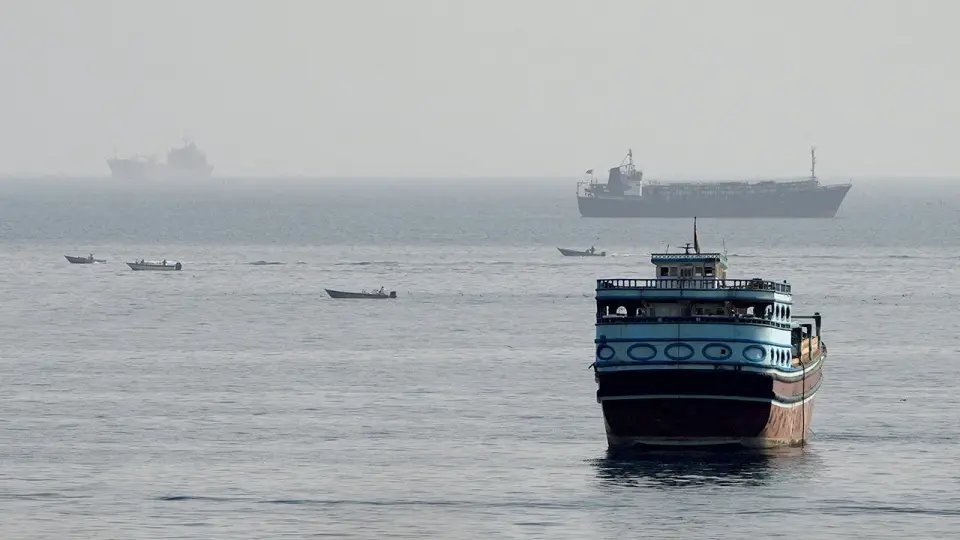
Former Defense Secretary Mark Esper warned that a potential Iran-Oman agreement to administer the Strait of Hormuz could be a 'very bad outcome' for the United States. Iran insists the strait will only reopen if Washington accepts Tehran's terms, while the UAE condemned recent Iranian missile attacks on its oil ships.
Key points
- Esper stated that a deal dividing Hormuz passage between Iran and Oman would allow Tehran to control traffic, potentially charging fees or restricting access, which he described as a negative outcome for U.S. interests.
- Iranian General Hossein Mohebbi declared that the strait will only reopen if the U.S. accepts Iran's conditions and abandons its interventionist approach, framing the waterway as a symbol of geopolitical power.
- The UAE Ministry of Foreign Affairs condemned a recent Iranian missile attack on a ship affiliated with the Abu Dhabi National Oil Company, labeling it an act of piracy and a threat to regional stability.
- ADNOC reported that 15 of its ships have been attacked since late February, with three incidents occurring this week, resulting in one death and 20 injuries.
- Esper noted that while President Trump claims personal involvement in negotiations, Iranian officials dispute direct U.S. participation, with Tehran emphasizing that reopening is independent of ongoing Oman talks.
Background
Since August 2026, indirect talks mediated by Oman have sought to reopen the Strait of Hormuz, with Iran proposing a transit fee and gatekeeping role. Previous reports indicated Iran was nearing a framework with Oman, but Tehran insisted reopening depended on U.S. commitments, while the U.S. demanded unfettered transit.
Why it matters
The Strait of Hormuz is a critical chokepoint for global energy supply. A deal ceding administrative control to Iran could disrupt oil flows, increase shipping costs, and alter the balance of power in the Middle East, with significant implications for global energy security and regional stability.
What to watch
The U.S. is expected to determine the extent of its role in the Iran-Oman negotiations, while Iran awaits U.S. acceptance of its conditions. The UAE may seek further international support in response to the attacks on its oil ships, and the situation could escalate if the strait remains closed or if further attacks occur.
- Former Trump cabinet official says Iran-Oman Strait of Hormuz deal could be ‘very bad outcome’ Fox News
- Iran Sees an Opening to Kick the U.S. Out of the Gulf WSJ
- Iran war live: IRGC says Hormuz to open after US ‘fully’ accepts conditions Al Jazeera
- Iran aims to ban U.S. and Israeli ships from Strait of Hormuz and charge others a toll NPR
- Iran's Revolutionary Guard says re-opening Strait of Hormuz does not depend on talks with Oman Reuters
Want the full story? Read the original reporting
Read on Fox News