
Xi's Delhi Visit Marks Cautious India-China Reset Amid BRICS Fractures
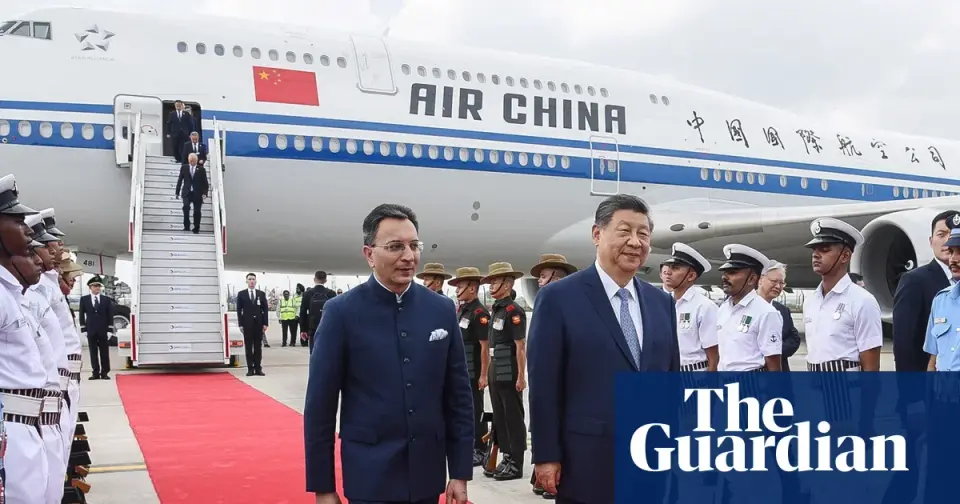
Chinese President Xi Jinping arrived in New Delhi for the BRICS summit, marking his first visit to India in seven years. The event signaled a diplomatic thaw between the two nuclear-armed rivals, with leaders agreeing to manage border differences and address trade imbalances. However, the summit exposed internal BRICS divisions, as members struggled to unify their stances on global conflicts despite issuing a joint declaration.
Key points
- Xi Jinping received a formal welcome in India, including an honor guard and gala dinner, as part of the 18th BRICS Summit hosted by Prime Minister Narendra Modi.
- The visit represents the first high-level engagement between the two nations since the 2020 Himalayan border clash, which resulted in 24 soldier deaths.
- Modi and Xi agreed to resolve border issues in a 'fair, reasonable, and mutually acceptable' manner, emphasizing peace and tranquility in border regions.
- The two leaders committed to addressing structural trade imbalances, with India's deficit with China reaching a record $112.16 billion in the year ending March 2026.
- BRICS members unanimously agreed on a joint declaration calling for 'maximum restraint' in the Middle East, though the wording avoided naming specific member states involved in conflicts.
Background
This summit follows a period of cautious diplomatic restoration, including resumed direct flights and relaxed investment rules in March 2026. Previous coverage highlighted Xi's broader global outreach, including trips to Egypt and the US, as Beijing seeks to counter US-led trade wars. The 2020 border incident had previously halted momentum in bilateral ties, making this 2026 visit a significant symbolic step.
How outlets are covering it
The Guardian emphasizes the symbolic 'red carpet' welcome and the broader geopolitical context of BRICS as a counterweight to US dominance, noting internal fractures due to conflicts involving member states like Iran and Saudi Arabia. NDTV focuses on the diplomatic 'optics' of the visit, with former envoy Gautam Bambawale describing the meeting as a crucial step forward, though he cautions that the relationship remains in the 'negative' compared to 2019 levels. CNBC highlights the economic dimension, stressing the record trade deficit and the leaders' commitment to resolving supply chain and market access issues. While all sources agree on the thaw, The Guardian and NDTV highlight the difficulty of aligning India's 'strategic hedging' with the more anti-Western agendas of other BRICS members.
Why it matters
The summit demonstrates a shift in the global power dynamic, with BRICS nations attempting to assert influence despite internal disagreements. The India-China thaw reduces the risk of direct military conflict in the Himalayas and opens avenues for economic cooperation, potentially reshaping trade routes and investment flows in Asia. It also highlights the challenge for India in balancing its relationships with both the US and China within a fragmented multilateral forum.
What to watch
Officials expect further ministerial-level discussions in the coming weeks to follow up on the border resolution framework. India and China are likely to continue negotiating trade imbalances and supply chain issues, while BRICS members will face ongoing challenges in maintaining unity on global conflict resolutions.
- Xi Jinping gets red carpet at Brics summit amid thaw in India-China relations The Guardian
- Xi urges BRICS peace role in Middle East, courts Modi on India visit Reuters
- 'Optics Of Xi Visiting India Very Important': Ex-Envoy On BRICS Bilateral NDTV
- At BRICS Summit, China and India Vie for Influence The New York Times
- Indian Prime Minister Modi says border peace is key to India-China ties CNBC
Want the full story? Read the original reporting
Read on The Guardian