
Xi Jinping’s Aging Triggers Global Anxiety Over China’s Succession Crisis
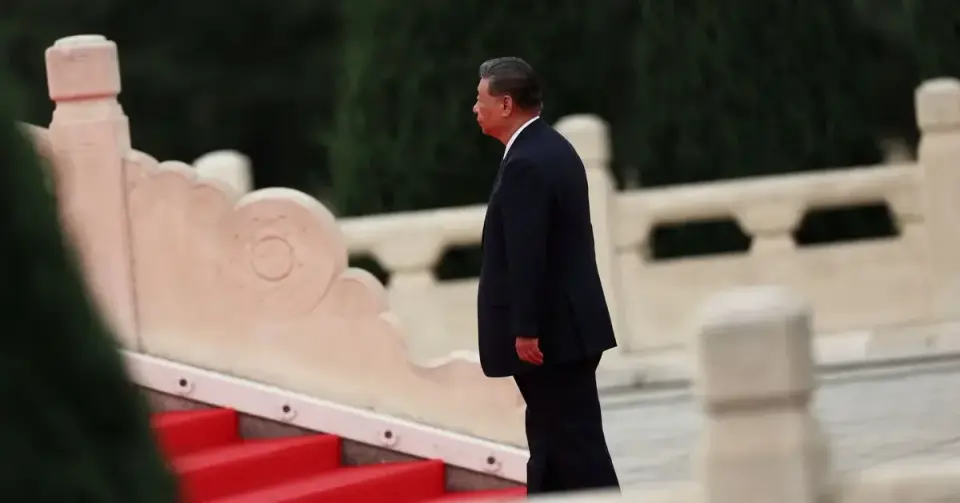
Xi Jinping’s visible physical decline has initiated a 'death watch' that analysts argue will reshape global markets and defense strategies. Unlike previous Chinese leaders, Xi faces a complex transition dilemma: naming a successor early risks political purges, while delaying it creates a power vacuum. Experts predict a turbulent 'long twilight' involving economic stagnation and potential military gambits, contrasting sharply with the smooth transitions of the Deng era.
Key points
- Xi Jinping, 73, showed visible frailty during a recent summit with US President Donald Trump, including needing a 'hold room' for breaks and brief meetings, signaling physical decline.
- The 'death watch' is expected to become a global spectacle, influencing investment flows, market stability, and international defense priorities due to China's central role in the global economy.
- Xi faces a strategic dilemma: appointing a successor now risks triggering a 'political knife fight' before he is ready to step down, while waiting too long creates a dangerous power vacuum.
- Current Politburo Standing Committee members are too old to succeed Xi, forcing a choice of a relative unknown who may lack the authority to command the military or hold the Party together.
- Analysts warn that Xi’s paranoia and recent purges of trusted comrades undermine the stability of any designated second-in-command, increasing the risk of internal conflict.
- Experts predict a 'long twilight' period characterized by a sagging economy, rising social discontent, and increased state surveillance ('grid management') to maintain control.
Background
This analysis builds on historical patterns of Chinese leadership transitions. Previous leaders like Mao Zedong and Deng Xiaoping faced significant upheavals during their final years, with Mao’s decline leading to near-civil war and Deng’s era marked by political turmoil before his peaceful exit. The current situation is distinct because China’s global economic and strategic weight means internal instability directly impacts worldwide markets and security. The 2012 power transfer, which involved the arrest of Xi’s rival and rumors of a military coup, serves as a recent precedent for the potential volatility of such transitions.
Why it matters
The stability of China’s leadership is a critical variable for global economic health and international security. A chaotic transition could disrupt supply chains, trigger capital flight, and increase the risk of military conflict, particularly in the Taiwan Strait. Understanding the dynamics of Xi’s 'death watch' is essential for anticipating shifts in global trade, defense alliances, and geopolitical risk assessments.
What to watch
Watch for signs of a designated successor or shifts in the Politburo Standing Committee. Monitor economic indicators for signs of the predicted 'long twilight' stagnation. Observe any changes in military posturing or rhetoric regarding Taiwan, which could indicate Xi’s willingness to gamble on conflict to secure his legacy. Track domestic social stability and the intensity of state surveillance measures as indicators of internal control efforts.
Want the full story? Read the original reporting
Read on Semafor