
Xi’s Return to India Tests Fragile Reset at BRICS Summit
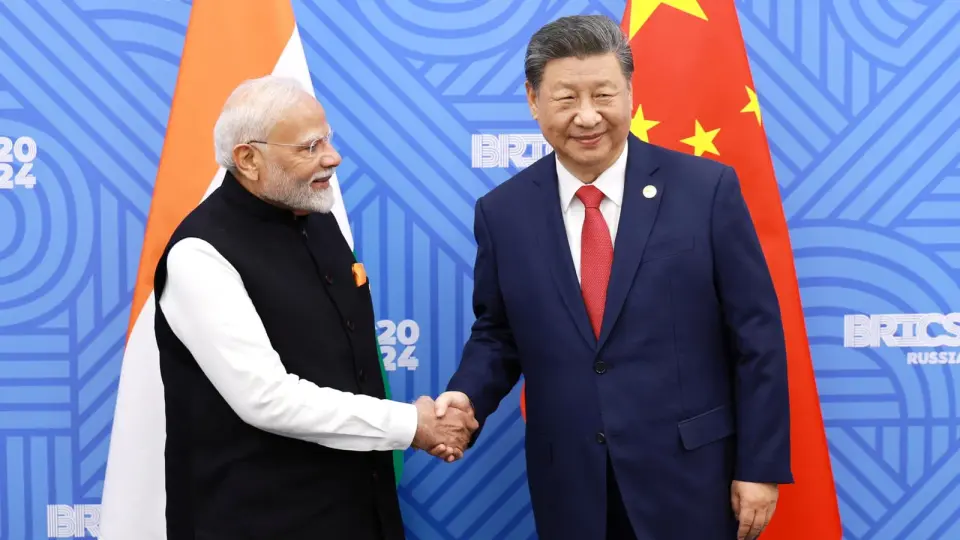
Chinese President Xi Jinping will attend the BRICS summit in New Delhi, marking his first visit to India since 2019. The meeting with Prime Minister Narendra Modi aims to solidify a cautious diplomatic thaw, but tensions over border disputes and trade imbalances remain significant hurdles.
Key points
- Xi Jinping’s visit to India is his first in seven years, following deadly border clashes in 2020 that froze bilateral relations.
- Bilateral trade reached a record $151.1 billion in the year ending March 2026, though India’s trade deficit with China hit a record $112.16 billion.
- India has relaxed restrictions on Chinese investment in solar and electronics sectors, while China remains wary of technology transfers that could undermine its supply chains.
- The 2020 border dispute remains a central political constraint, with recent incidents in Arunachal Pradesh signaling continued distrust despite resumed patrols and flights.
- India is leveraging BRICS to diversify partnerships away from the US, while China seeks to pull New Delhi away from American influence amid Trump administration tensions.
Background
This summit follows a series of diplomatic engagements, including Modi’s visit to China last year and a recent meeting at the SCO summit in Bishkek, where both leaders signed a declaration condemning military attacks against Iran. Previous coverage noted that India has been actively pursuing a multi-polar alignment to mitigate the impact of strained US relations, while China has viewed India’s adjustment as an opportunity to strengthen its own global standing.
How outlets are covering it
CNBC emphasizes the strategic significance of the Xi-Modi meeting as a test of the post-2020 reset, highlighting the trade imbalance and India’s vulnerability to Chinese supply chains. The New York Times frames the summit as a contest for influence among emerging powers, noting India’s desire to keep BRICS broad to avoid choosing sides. The Financial Times focuses on the 'cautious re-engagement' and the structural trust deficit, citing specific examples of resumed border patrols and investment flows. NDTV confirms the logistical details of Xi’s visit, noting the diplomatic suspense surrounding his attendance. All sources agree on the thawing relations but differ on the depth of trust, with CNBC and FT highlighting persistent border and technology concerns, while NDTV notes the official framing of the two nations as 'partners, not competitors.'
Why it matters
The outcome of the Xi-Modi meeting will determine whether the tentative diplomatic thaw translates into substantive economic and security cooperation. It also signals how India and China will navigate their competing interests in a shifting global order, particularly as both nations seek to reduce dependence on the United States.
What to watch
Observers will watch for concrete agreements on trade imbalances, technology transfers, and border management. The summit may also reveal whether India and China can coordinate on global governance issues without compromising their respective strategic hedging strategies.
- Modi and Xi are set to meet at BRICS with trade and border issues in spotlight CNBC
- At BRICS Summit, China and India Vie for Influence The New York Times
- World’s biggest relationship? Xi and Modi look to rebuild ties for 2.8bn people ft.com
- China Ends Suspense, Xi Jinping To Visit India For BRICS Summit ndtv.com
- China, India arranging meeting for Xi, Modi, China's foreign ministry says Reuters
Want the full story? Read the original reporting
Read on CNBC