
Xi's Delhi Visit Could Unlock BRICS Economic Cooperation
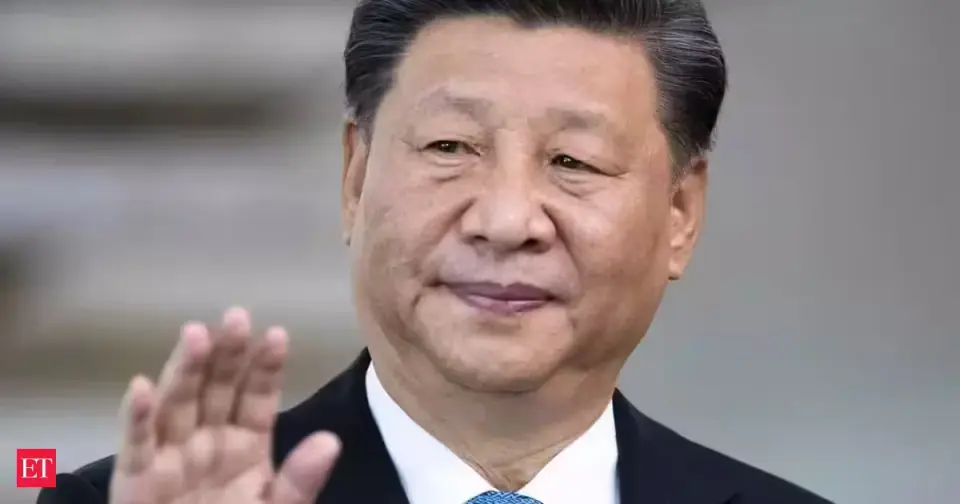
Chinese President Xi Jinping is expected to attend the upcoming BRICS summit in New Delhi, marking his first visit to India in seven years. This high-level engagement could facilitate concrete economic progress within the BRICS bloc, particularly in payment systems and agricultural trade, by easing longstanding tensions between India and China.
Key points
- Xi Jinping is expected to arrive in New Delhi with a delegation of approximately 400 officials, business representatives, and support staff for the BRICS summit next month.
- The visit would be Xi's first to India since 2019, signaling a significant thaw in bilateral relations following years of strategic distrust and border disputes.
- The summit is expected to focus on linking payment systems and central bank digital currencies (CBDCs) to improve cross-border transaction efficiency among member nations.
- Russia has proposed the creation of a BRICS grain exchange to enhance agricultural trade and food security cooperation among member states.
- Both India and China are motivated by US trade policies, which have created a convergence of interest in protecting emerging economies from external protectionist pressures.
Background
BRICS has historically struggled to translate political ambition into concrete economic action, often due to internal divisions, particularly between its two largest economies, India and China. The grouping expanded to include Iran, the UAE, Egypt, Ethiopia, and Indonesia, broadening its geopolitical weight but complicating consensus. Earlier this year, BRICS foreign ministers failed to issue a joint statement due to disagreements over the conflict in West Asia. The New Development Bank, established in 2014, remains the bloc's most significant institutional achievement, while proposals for a common currency have faced significant obstacles due to a lack of economic integration and political cohesion.
How outlets are covering it
The Economic Times emphasizes that Xi's visit could remove a major obstacle to BRICS progress by stabilizing India-China relations, enabling cooperation on payment systems and a grain exchange. Semafor highlights the 'delicate diplomatic balancing act' required to stabilize relations without appearing to capitulate, noting that recent border skirmishes have complicated efforts. Both outlets agree that US trade policies have created a convergence of interest for India and China in protecting BRICS from external pressures. The Economic Times notes that while a common BRICS currency remains unlikely, payment connectivity is technically achievable and economically useful, whereas Semafor focuses on the broader diplomatic implications of the visit.
Why it matters
Xi's potential visit to India could be a turning point for BRICS, enabling the bloc to move beyond political messaging and achieve concrete economic outcomes. Improved India-China relations could facilitate progress in payment systems, agricultural trade, and development finance, enhancing the bloc's ability to act as a cohesive economic entity. This could also reinforce India's position as a leading voice of the Global South and demonstrate that strategic competition with China need not prevent cooperation on selected economic issues.
What to watch
The BRICS summit is expected to take place next month in New Delhi. If Xi's visit leads to further stabilization in India-China relations, initiatives such as payment-system integration and a grain exchange may move from discussion to implementation. The success of the summit will likely be measured by the creation of conditions for sustained cooperation between the grouping's two most influential Asian members, rather than the language of its final communique.
- Xi Jinping's Delhi visit could be the big brick in the BRICS summit The Economic Times
- China's Xi likely to visit India with big delegation for first time in seven years Reuters
- China, India Agree to Seek Fair Settlement of Boundary Dispute Bloomberg
- China’s Xi Jinping likely to attend BRICS summit in India Semafor
- NSA Doval, Wang Yi hold border talks in Beijing The Hindu
Want the full story? Read the original reporting
Read on The Economic Times