
Yemen’s Houthis Force Saudi Arabia to Rethink Defense Strategy Amid Iran War
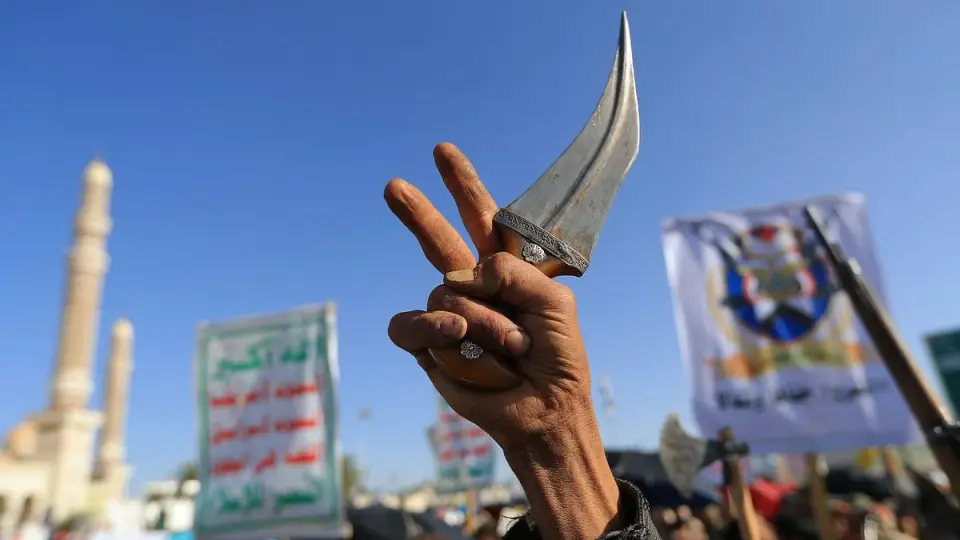
Houthi missile and drone attacks on Saudi Arabia have intensified since the US-Iran war began in February 2026, causing significant damage to airports and energy facilities. While Saudi air defenses intercept many weapons, the high cost of interceptors and the strategic vulnerability of Saudi infrastructure create a costly stalemate. The Houthis, driven by independent political and economic goals, are leveraging this conflict to force concessions from Riyadh, complicating US and Saudi regional strategies.
Key points
- Houthis launched at least 12 missiles and 2 drones at Saudi Arabia last week, continuing a month-long campaign that has grounded thousands of flights.
- An October 10 strike on Riyadh’s King Khalid Airport killed 13 people, including a US citizen, marking the deadliest attack on Saudi soil in over a decade.
- Saudi Arabia spent $83 billion on defense last year but faces a global shortage of Patriot interceptors, which cost up to $4 million each.
- Houthis use cheap, locally made and Iranian-supplied drones in swarms to overwhelm Saudi air defenses, creating gaps that allow larger missiles to penetrate.
- The Houthis seek economic concessions, control of Yemen’s oil revenues, and an end to Saudi military operations, rather than acting solely as Iranian proxies.
Background
This escalation follows a fragile truce in 2022 and a pause in Houthi attacks during the Israel-Hamas ceasefire in late 2025. The current campaign resumed after the US and Israel began military operations against Iran in February 2026. Recent diplomatic efforts, including Mecca Alliance envoys visiting Tehran on October 26, have attempted to de-escalate tensions, but the Houthi campaign continues independently of these high-level talks.
How outlets are covering it
The Bulwark argues that the Houthis are not merely Iranian proxies but have independent political and territorial ambitions in Yemen, using the US-Iran war as cover to pressure Saudi Arabia. CBS News emphasizes the structural weaknesses in Saudi defense, citing a global shortage of expensive interceptors, the vulnerability of Saudi infrastructure, and the effectiveness of Houthi drone tactics. While The Bulwark focuses on the strategic autonomy of the Houthis, CBS highlights the logistical and financial constraints facing Saudi Arabia, noting that even successful interceptions do not negate the economic and political pressure exerted by the attacks.
Why it matters
The Houthi campaign demonstrates how asymmetric warfare can disrupt global energy and aviation networks, forcing wealthy nations to spend disproportionate resources on defense. It highlights the limits of air defense systems against sustained, low-cost attacks and complicates US efforts to manage the broader Iran conflict. The situation underscores that regional wars cannot be compartmentalized, as the Yemen conflict intersects with global economic stability and US strategic interests.
What to watch
Saudi Arabia is seeking additional air defense support from partners including Pakistan, Turkey, France, and the UK. The key question is whether the Houthis can sustain their current attack rate or if this is a short-term salvo to force negotiations. Analysts suggest that without a resolution to the US-Iran conflict, the Houthi campaign is likely to continue, as it serves the interests of both Tehran and the Houthis.
- America’s Other Middle East War - by Mark Hertling The Bulwark
- Opinion | What It Will Take to Defeat the Houthis The New York Times
- As Yemen's Houthis continue strikes, Saudi Arabia is looking to the US for advanced AI weaponry DW.com
- Saudi Arabia spends billions on its military. Why can't it stop deadly attacks by Iran's Houthi allies? CBS News
- Saudi defence challenges in the face of Houthi threats The Arab Weekly
Want the full story? Read the original reporting
Read on The Bulwark