
UK Chancellor Healey Sets 2030 Target for 3% Defense Spending Amid Fiscal Strain
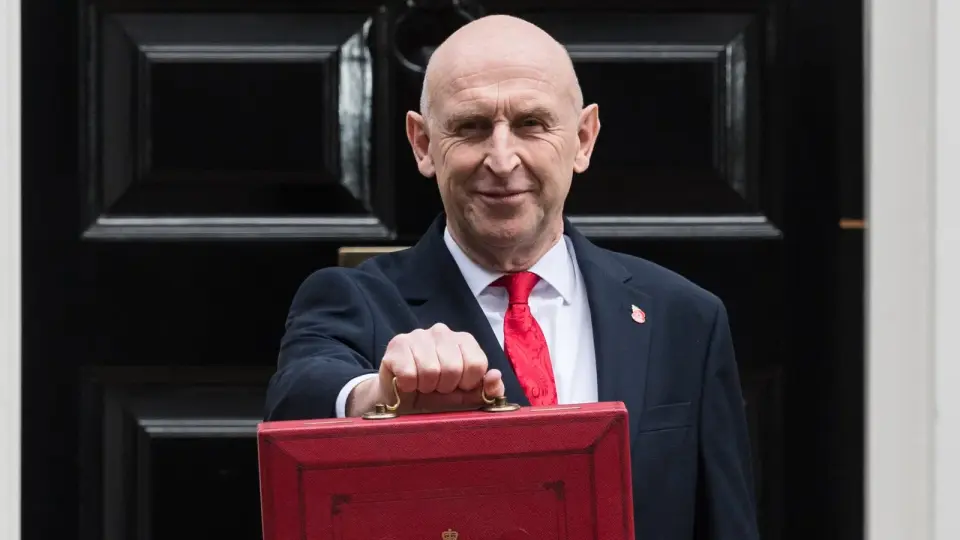
UK Chancellor John Healey announced a 2030 target for defense spending to reach 3% of GDP, reaffirming a 2035 goal of 3.5% for NATO. He pledged £10 billion in additional support for Ukraine and £5 billion for defense industry investment, but deferred detailed funding plans to next year's spending review. Critics argue the move lacks immediate fiscal clarity, while NATO officials welcomed the commitment.
Key points
- Healey set a 2030 deadline for defense spending to hit 3% of GDP, with a 2035 target of 3.5% to meet NATO commitments.
- The UK pledged £10 billion in new economic and military aid to Ukraine, including £500 million in urgent winter funding.
- A £5 billion fund from the National Wealth Fund and British Business Bank will support defense and dual-use technologies over four years.
- Healey committed to fully funding a £4.7 billion shortfall in the previous government's Defense Investment Plan by cutting 1% from departmental capital budgets.
- A £2.5 billion partnership with Rolls-Royce was announced for next-generation turbine technology, though funding remains subject to legal processes.
Background
Healey previously resigned as defense secretary in 2026, citing insufficient military funding under Prime Minister Keir Starmer. He was later appointed Chancellor by Prime Minister Andy Burnham. The UK’s current defense spending is projected to reach 2.7% of GDP by 2027, with the Office for Budget Reporting estimating an additional £17.3 billion needed in 2029-30 to reach the 3% target.
How outlets are covering it
CNBC and Yahoo highlighted Healey’s commitment to a 'fiscally sustainable' path, emphasizing the new £10 billion Ukraine aid package and industrial partnerships. BBC and Breaking Defense focused on the funding mechanism, noting that 1% cuts to departmental capital budgets will cover a £4.7 billion gap in the Defense Investment Plan. Conservative leader Kemi Badenoch criticized the announcement as a 'plan to have a plan,' arguing Healey failed to provide a concrete roadmap for 2030. NATO Secretary General Mark Rutte welcomed the move, calling it a 'credible path' to meeting alliance commitments. Shadow defense secretary James Cartlidge accused the government of 'penny-pinching' by returning £1 billion in pension savings to the Treasury rather than reallocating it to the military.
Why it matters
The announcement signals a shift in UK fiscal priorities toward defense amid rising geopolitical threats, but the deferred details raise concerns about long-term affordability. The reliance on cross-departmental cuts and private investment may strain public services, while the Ukraine aid package underscores Britain’s commitment to countering Russian aggression. The outcome of next year’s spending review will determine whether the 3% target is achievable without compromising other national priorities.
What to watch
Healey will present detailed funding plans at next year’s spending review. The government will begin treaty negotiations with Finland, Poland, and the Netherlands for a multilateral defense mechanism. The Rolls-Royce turbine partnership is expected to proceed after legal and negotiation processes are completed. Defense spending is projected to reach 2.7% of GDP by 2027, with further increases dependent on the 2030 target trajectory.
- UK brings forward defense spending target, pledging billions to Ukraine CNBC
- UK's Healey says government will fill defence gap by 'reprioritising' Reuters
- John Healey tells departments to make 1% cuts to fund defence BBC
- UK commits to 3 percent GDP on defense by 2030, new investment partnerships with industry Breaking Defense
- Healey to set course for 3% defence spend by 2030 at spending review Yahoo
Want the full story? Read the original reporting
Read on CNBC