
Hormuz conflict claims 25 seafarers as mental health crisis deepens
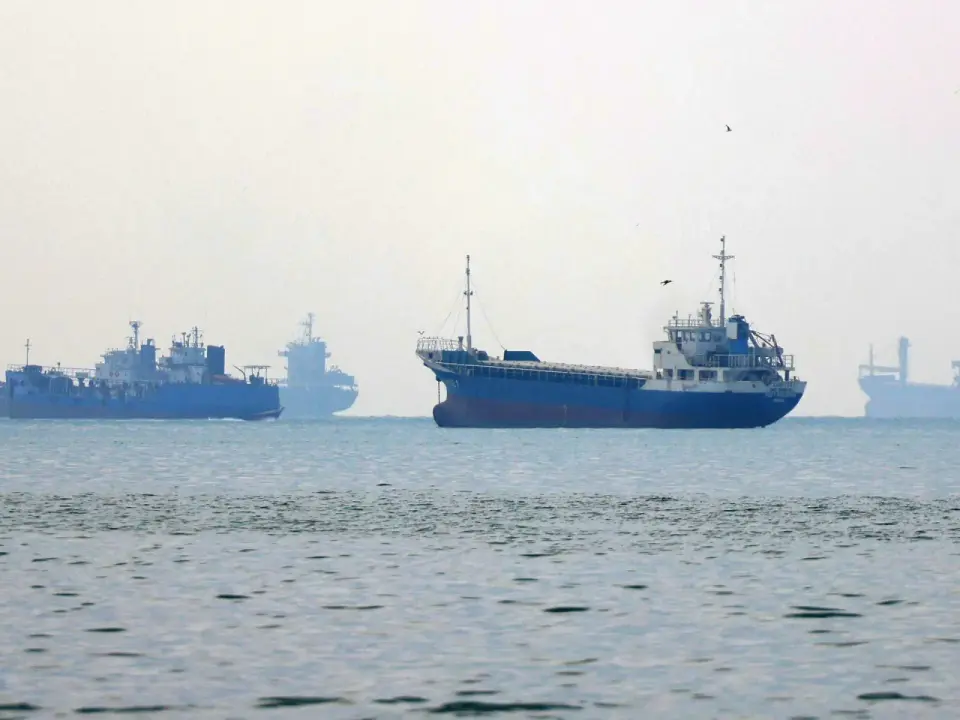
The US-Israeli war on Iran has transformed the Strait of Hormuz into a lethal zone for civilian merchant crews. Since the conflict began on February 28, the International Maritime Organization (IMO) has recorded 25 seafarer deaths and over 130 attacks on commercial vessels. Indian nationals bear the heaviest toll, with at least 16 killed, while approximately 6,000 crew members remain stranded near the strait. The crisis has triggered a third consecutive decline in seafarer happiness indices, prompting urgent calls for mental health support and repatriation.
Key points
- The IMO has documented 129 to 131 incidents involving commercial vessels in the Persian Gulf and Strait of Hormuz since the war began on February 28, resulting in 25 confirmed deaths.
- Indian nationals account for at least 16 of the fatalities, with recent incidents including the death of a crew member from the cargo vessel MSV Al Jusufi off Oman and injuries to 12 crew members on the tanker On Peace.
- Approximately 6,000 seafarers on around 400 ships remain stranded near the Strait of Hormuz, with many facing abandoned vessels and a lack of basic necessities like food and water.
- The Mission to Seafarers reported a third consecutive drop in crew happiness, falling to 6.81 out of 10, driven by isolation, anxiety, and the normalization of constant drone and missile threats.
- International law, specifically the UN Convention on the Law of the Sea, guarantees the right of transit passage, but experts note that enforcement remains weak due to a lack of political will.
Background
This escalation follows a period of intense diplomatic and military tension. In early November, President Trump weighed resuming strikes against Iran, while Israeli Prime Minister Netanyahu faced a coalition crisis. Previous archive coverage highlighted US-Israeli coordination on potential renewed combat operations, with Defense Secretary Pete Hegseth holding secret meetings with Netanyahu. The current maritime crisis is a direct consequence of the broader conflict that began in late February, where Iran effectively closed the strait and the US imposed a naval blockade on Iranian ports.
How outlets are covering it
Al Jazeera emphasizes the humanitarian crisis and the failure of international law to protect civilian crews, highlighting the mental health toll and the legal right to refuse dangerous assignments. The National focuses on the operational reality of stranded crews, noting that while the Philippines has banned deployment to high-risk zones, sailors continue to sign contracts for higher wages. It also highlights the decline in vessel abandonments, from 15-20 to 8-10, but stresses the psychological trauma of normalizing war. UANI provides a technical analysis of the blockade, noting that while US-facilitated transits average 30 vessels per day, Iranian oil tankers remain clustered along the coastline, and ghost fleet operations continue in Southeast Asia despite sanctions.
Why it matters
The Strait of Hormuz handles roughly one-fifth of global oil consumption. The ongoing attacks and blockade disrupt global energy supplies and supply chains. The death of civilian seafarers, particularly from countries like India and the Philippines, highlights the human cost of geopolitical conflicts that are often distant from the affected crews. The erosion of international maritime law and the mental health crisis among stranded crews pose long-term risks to global shipping stability and labor standards.
What to watch
Shipping operators are expected to implement stricter risk assessments and mental health support protocols. The IMO is likely to continue seeking arrangements for the evacuation of stranded sailors, though obstacles remain. The US blockade on Iranian ports is expected to persist, keeping Iranian oil tankers clustered along the coastline. Diplomatic efforts to de-escalate the conflict may be complicated by the ongoing military operations and the political instability in Israel and the US.
- Who are the seafarers caught in the US-Israeli war on Iran? Al Jazeera
- Vanishing vessels and missing sailors: The Iran war's human cost at sea Reuters
- Joakim Hannisdahl’s hedge fund divests tanker stocks in market selloff TradeWinds News
- Constant state of danger takes toll on shipping crews in Strait of Hormuz The National
- Iran Shipping Update – November 9, 2026 United Against Nuclear Iran | UANI
Want the full story? Read the original reporting
Read on Al Jazeera