
Global Aid Collapse: US Cuts 57% as Donors Prioritize Defense
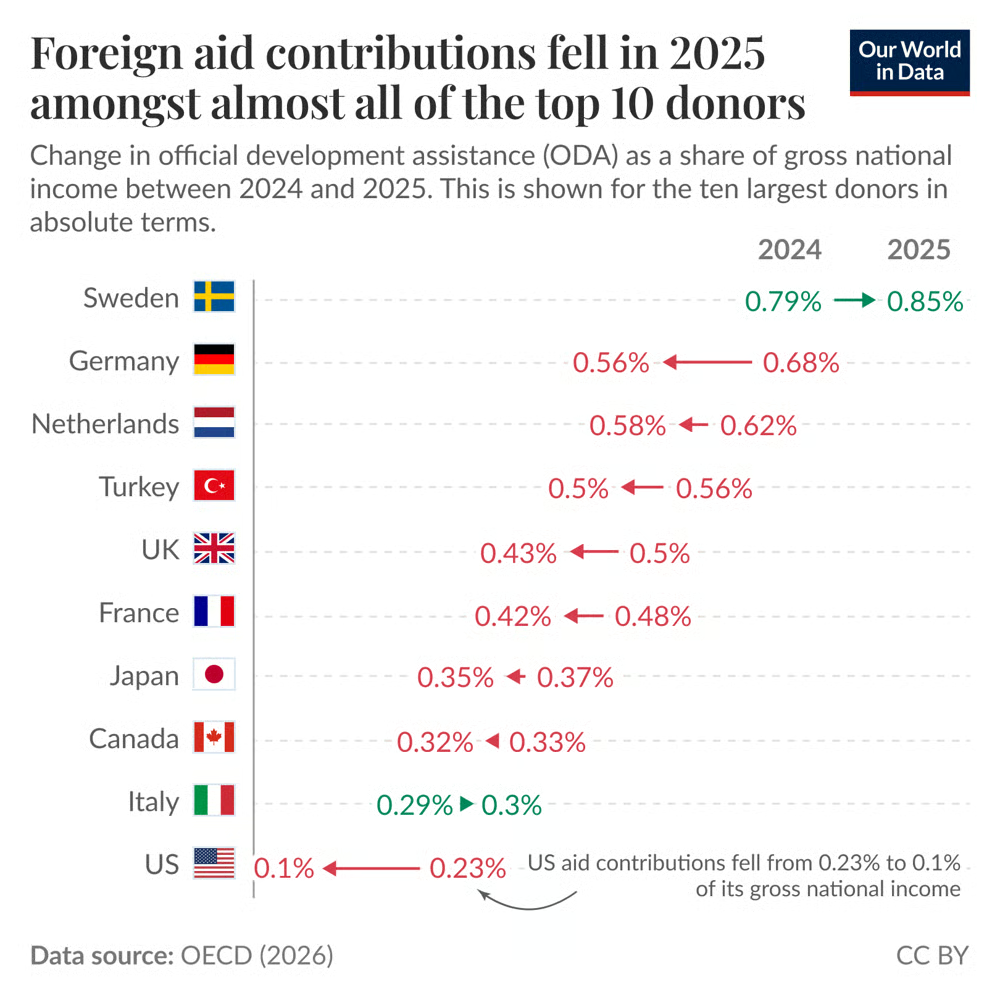
Foreign aid contributions fell in 2025 for nearly all top 10 donors, with US aid dropping 57% according to the OECD. The US dismantled USAID, while European nations like the UK, France, and Germany slashed budgets. This shift, driven by rearmament priorities, threatens global health initiatives, including malaria elimination efforts in the Caribbean.
Key points
- US foreign aid decreased by 57% in 2025, the largest drop among major donors.
- The US dismantled the USAID agency and rapidly reduced its aid program.
- European countries, including the UK, France, and Germany, cut overseas aid budgets in the past two years.
- Global aid peaked during the COVID-19 pandemic before declining rapidly due to budget cuts.
- International aid organizations warn that cutbacks are already impacting development programs and closing country offices.
Background
This decline follows earlier warnings that secretive US agreements could halve global health aid by 2030, targeting HIV/AIDS and Ebola programs in Africa. The current trend reflects a broader shift where advanced nations prioritize rearmament over development cooperation amid two massive conflicts.
How outlets are covering it
The World from PRX highlights the historic rate of aid shrinkage, noting the US is not alone in cutting funds, with European nations also reducing budgets. ORF argues that the post-aid world requires new partnerships and a focus on 'enlightened self-interest' rather than traditional aid models. Business News Nigeria frames this as a 'funding shock' that could reset development strategies in Africa. Our World in Data contextualizes the impact by noting that malaria elimination in the Caribbean, such as in the Dominican Republic, depends on coordinated efforts across borders, a challenge exacerbated by reduced funding.
Why it matters
The reduction in international aid threatens to reverse decades of progress in global health and development, particularly in vulnerable regions like the Caribbean and Africa. It also diminishes the West's global stature and forces a reevaluation of development cooperation models, potentially shifting focus toward South-South and triangular cooperation.
What to watch
Developing nations may need to explore alternative development modalities, such as South-South and triangular cooperation, to fill the gap left by reduced Western aid. The US and other donors may continue to prioritize defense spending over development, leading to further closures of international agency offices.
- Foreign aid contributions fell in 2025 amongst almost all of the top 10 donors Our World in Data
- Africa’s Funding Shock Could Reset How We Do Development. Are We Ready for What Comes Next? Business News Nigeria
- The global pullback from foreign aid The World from PRX
- International Development in a Post-Aid World orfonline.org
- International cuts to development aid foreshadow profound changes to the system: ‘We are terrified of going back to the 1980s’ EL PAÍS English
Want the full story? Read the original reporting
Read on Our World in Data