
Chilean Truckers Block Roads Over Diesel Costs, Threatening Salmon and Fruit Exports
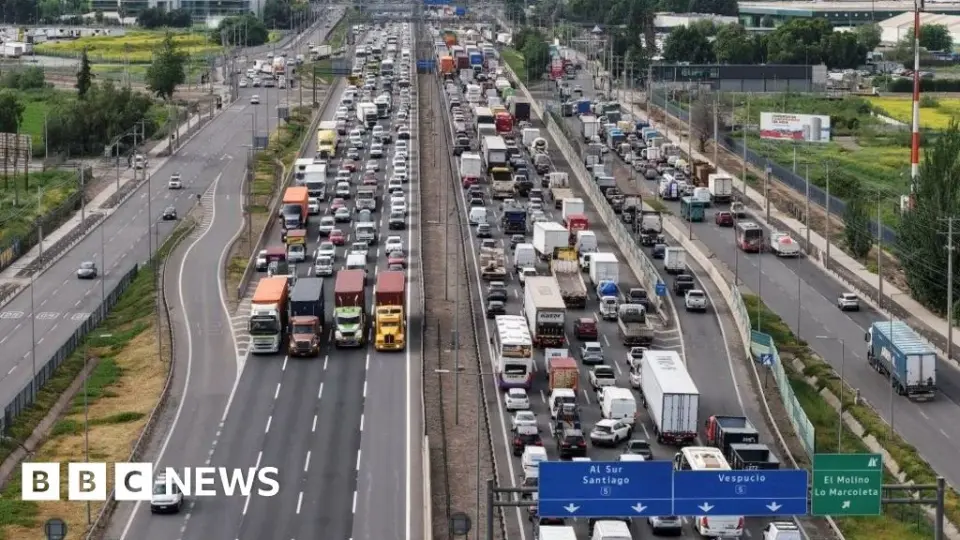
Chilean transport workers have blocked major highways and port access routes in protest against surging diesel prices, driven by the ongoing conflict in Iran. The strike, organized by the Fuerza del Norte union and the No+TAG movement, began on November 10 and has disrupted freight movements, threatening the country’s agricultural and salmon export sectors. While initial government talks failed, a new round of negotiations is scheduled for Wednesday. The disruption coincides with El Niño-related weather challenges that have already reduced crop yields and increased logistics costs across Latin America.
Key points
- Protests began on November 10, with drivers blocking highways and port access points, including the Iquique and San Vicente terminals.
- The strike is led by Fuerza del Norte, representing 80% of Chilean lorry drivers, and the No+TAG civic movement, demanding relief from high diesel costs.
- Chile exported $4.77 billion worth of salmon in the first nine months of 2026; 24% of this volume relies on road transport, primarily for regional markets like Brazil.
- The blockade has delayed the start of the cherry export season, forcing the first 'Cherry Express' shipment to be diverted to Valparaiso.
- Economy Minister Daniel Mas warned that the strike is impacting economic activity and exports, calling for dialogue but threatening to clear highways if talks fail.
Background
This strike follows a pattern of transport disruptions in Europe and Latin America linked to high fuel costs caused by the Iran war. In October 2026, similar protests in Italy and France led to food shortages and emergency government measures. In Chile, El Niño has already caused significant crop damage and reduced yields, making the current logistics crisis more severe for exporters.
How outlets are covering it
BBC and Bloomberg focus on the political and economic impact of the strike, noting President José Antonio Kast’s declining poll numbers and the threat to fresh produce exports. Salmon Business highlights the specific risk to the salmon industry, noting that while some haulers in Puerto Montt and Chiloé have refused to join the strike, the broader blockade threatens processing and export timelines. The Loadstar provides broader regional context, linking the strike to El Niño-induced weather issues and rising airfreight costs in Latin America, noting that Chile’s cherry season was already disrupted by a previous nine-day strike that ended with an 8% freight rate adjustment.
Why it matters
The strike threatens Chile’s agricultural and salmon export sectors, which are critical to the national economy. Disruptions to road transport could lead to spoilage of perishable goods and increased costs for exporters, exacerbating economic challenges already caused by El Niño and global fuel price volatility.
What to watch
A new round of negotiations between government officials and protest leaders is scheduled for Wednesday. If talks fail, Economy Minister Daniel Mas has warned that the government may clear the highways, potentially escalating the conflict. The outcome will determine whether export delays and economic losses continue or if a resolution is reached to restore normal freight movements.
- Transport workers in Chile block highways in protest over surging fuel prices BBC
- Truckers block roads in Chile protesting fuel price hikes Reuters
- Chile Trucker Protest Over Fuel Prices Threatens Agricultural Exports Bloomberg.com
- Chilean salmon exports threatened by nationwide truckers’ strike Salmon Business
- News El Niño transport chaos hits LatAm perishables exports The Loadstar
Want the full story? Read the original reporting
Read on BBC