
Kenya Discharges Final Ebola Patient, Initiating 42-Day Countdown to Virus-Free Status
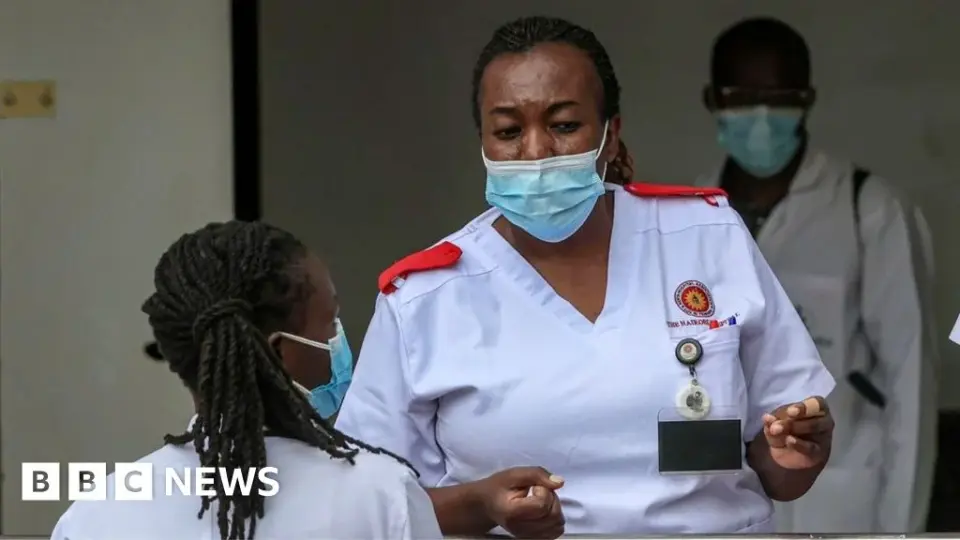
Kenya has discharged its final Ebola patient, marking the start of a 42-day countdown to being declared free of the virus. All seven confirmed cases have recovered, and 135 contacts have completed isolation. While Kenya contains the outbreak, the wider regional crisis in the Democratic Republic of Congo continues, with over 11,000 infections and 5,387 deaths reported since May.
Key points
- Kenya discharged its last Ebola patient on Wednesday, beginning the 42-day period required by World Health Organization guidelines to declare an outbreak over.
- The country confirmed nine total cases in October, including the initial patient who traveled from the Democratic Republic of Congo through Uganda; two died, and seven recovered.
- Health officials confirmed that all 135 identified contacts completed 21 days of isolation, and no new cases have been reported since October 20.
- The current outbreak is caused by the Bundibugyo strain of Ebola, which lacks an approved vaccine or treatment, though trials are underway.
- Kenya maintains heightened surveillance at borders and airports, requiring travelers from affected areas to undergo screening and 21 days of quarantine.
Background
This development follows a broader regional crisis where the Democratic Republic of Congo has experienced its deadliest Ebola outbreak in history, beginning in May 2026. Earlier coverage noted that European nations, including the UK, have repatriated healthcare workers infected in the Congo for specialized treatment. The Bundibugyo strain, responsible for the current outbreak, is relatively rare and has no approved medical countermeasures, complicating containment efforts across the region.
How outlets are covering it
BBC and NBC News agree on the core facts: the discharge of the last patient, the 42-day countdown, and the recovery of all seven surviving cases. However, they differ in emphasis. BBC highlights the diplomatic friction, noting Kenya’s health minister urged countries to reconsider travel restrictions, referencing a May court suspension of US plans for a quarantine facility. NBC News focuses more on the epidemiological data, citing specific figures of 11,042 infections and 5,387 deaths in the Congo, and details the specific border control measures, such as thermal screening at airports. Goshen News, via AP, provides a concise summary of the discharge and the start of the countdown but offers less detail on the regional context or diplomatic tensions compared to the other two sources.
Why it matters
Kenya’s progress demonstrates the effectiveness of rapid containment strategies in preventing community transmission, even as the source region remains in crisis. The 42-day countdown is critical for restoring normal travel and trade, particularly given recent visa restrictions by Gulf states like Saudi Arabia. However, the ongoing surge in the Democratic Republic of Congo underscores the persistent risk of new importations, requiring sustained surveillance and international cooperation to prevent further spread.
What to watch
Kenya will monitor for new cases until December 23, when the 42-day period ends. If no new infections are detected, the country will be officially declared Ebola-free. Meanwhile, health authorities will maintain emergency response teams on alert and continue screening travelers from affected countries. The global community will watch the Bundibugyo strain’s progression in the Congo, where trials for treatments and vaccines are ongoing.
- Kenya's Ebola outbreak: Last patient discharged as countdown begins to be being declared free of the virus BBC
- Kenya discharges last Ebola patient, starts countdown to Ebola-free declaration NBC News
- Kenya releases last Ebola patient, starts 42-day countdown to disease-free status Reuters
- One Ebola patient left as Kenya awaits outbreak clearance Daily Nation
- Kenya discharges last Ebola patient, beginning countdown to Ebola-free declaration Goshen News
Want the full story? Read the original reporting
Read on BBC