
Secret U.S. Health Deals with 18 African Nations Face Massive Funding Cuts
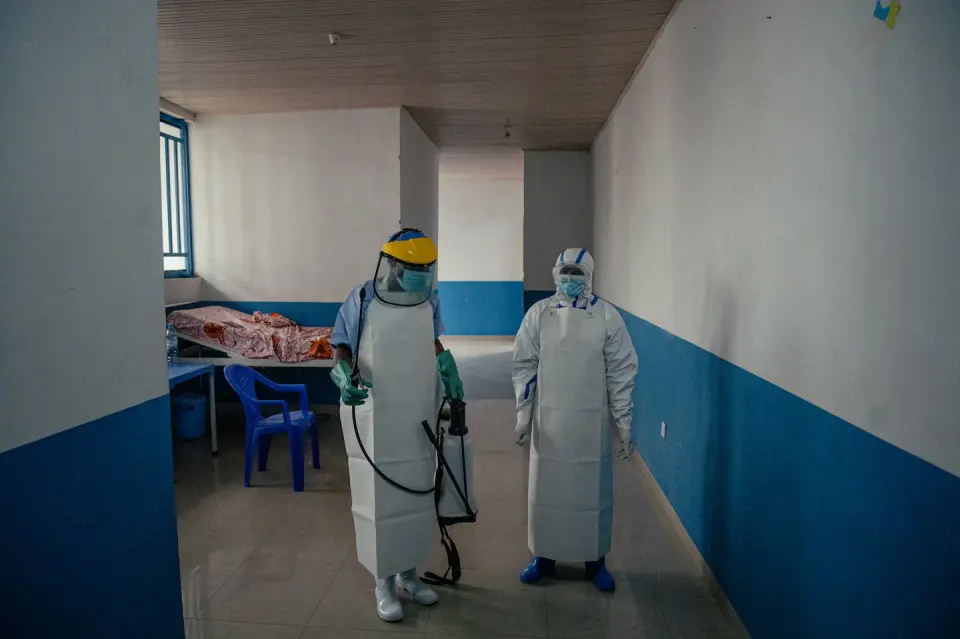
Analysis of secret U.S. agreements with 18 African nations reveals a planned 59% cut in health funding by 2030, despite congressional appropriations. The deals impose strict co-financing penalties and reduce health worker support, raising concerns about disease outbreaks and workforce shortages.
Key points
- A new analysis by Public Citizen and Partners in Health reveals that U.S. bilateral agreements with 18 African countries plan to cut global health funding by 59% by 2030.
- The reductions amount to approximately $2 billion, targeting programs for HIV, tuberculosis, malaria, and maternal health, despite Congress maintaining stable budgets.
- Agreements include harsh penalties for countries that fail to meet co-financing requirements, with some facing funding cuts of up to 97%.
- The deals reduce support for health workers, with seven countries facing significant workforce shortages by 2030, exacerbating an existing deficit of 5.85 million workers in Africa.
- The agreements include provisions for U.S. FDA approval recognition and the rollout of the HIV drug lenacapavir, raising concerns about regulatory autonomy and market access.
Background
The U.S. administration has previously frozen foreign aid and dismantled USAID, leading to widespread disruption in global health programs. In July 2026, The Washington Post warned that cuts to PEPFAR could undo HIV progress in Africa, potentially leading to over 1 million additional infections in South Africa. The current analysis builds on these concerns by detailing the specific terms of new bilateral agreements.
How outlets are covering it
The Washington Post highlights the secretive nature of the agreements and their potential to cut health aid by more than half, emphasizing the impact on disease control. Public Citizen and Partners in Health provide a detailed analysis of the 18 memoranda of understanding (MOUs), focusing on the financial reductions, co-financing penalties, and the reduction in health worker support. Both sources agree on the severity of the cuts but differ in their emphasis: The Post focuses on the broader policy implications, while Public Citizen details the specific terms and consequences of the agreements.
Why it matters
The planned cuts to global health funding could lead to increased disease outbreaks and a significant shortage of health workers in Africa. The strict co-financing requirements and penalties may further destabilize health programs, undermining decades of progress in combating HIV, tuberculosis, and malaria. The inclusion of U.S. FDA approval provisions raises concerns about regulatory autonomy and market access for U.S. companies.
What to watch
The U.S. administration is expected to continue implementing the terms of the 18 MOUs, with potential funding cuts and penalties for countries that fail to meet co-financing requirements. The rollout of the HIV drug lenacapavir is planned, but current supply commitments fall short of the estimated need for 20 million people. Congress may need to intervene to ensure that appropriated funds are spent according to health needs rather than political or commercial interests.
Want the full story? Read the original reporting
Read on The Washington Post