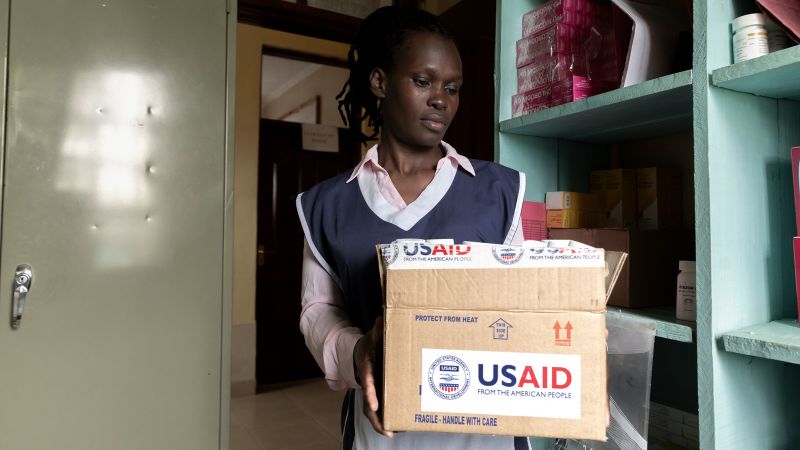
A new study reveals that US funding cuts have severely disrupted HIV services for children and pregnant women globally, contradicting official claims of protection for these programs.
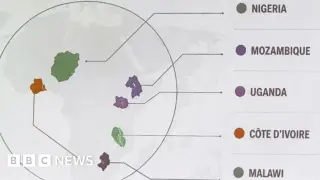
At a Rio de Janeiro HIV/AIDS conference, a US State Department slide showed an Africa map with six mislabelled or distorted countries (including Nigeria, Mozambique, Ivory Coast and Malawi; Uganda roughly in place but misshapen; Cameroon listed in the key but not linked to a country). The graphic, watermark‑marked as AI-generated, resulted from a hurried slide edit and was described by Washington as an "unfortunate error," for which the State Department apologized to attendees and African partners. The incident highlights ongoing US foreign aid cuts and Pepfar restructuring amid broader scrutiny of diplomacy and aid policy.
New research presented at AIDS 2026 shows that US cuts to PEPFAR disrupted HIV programs in 46 countries, forcing the closure of about 1,700 sites and laying off around 16,000 staff, with prevention and mother-to-child transmission services hit hardest as organizations also reshaped operations to comply with DEI and other US policy restrictions, risking reversing years of progress against HIV.
The United States will begin phasing out the Pepfar funding that supported South Africa’s HIV programs, citing SA’s insufficient progress on U.S. policy requests and a push for self-reliance. Pepfar previously accounted for about a fifth of SA’s HIV spending, though antiretrovirals are government-funded. The move comes amid fraught US-South Africa relations under the Trump administration, including accusations of Afrikaner persecution.
UNAids warns that a sharp drop in aid funding (about 23%), plus new restrictions on civil society and LGBTQ+ rights, endanger hard-won HIV gains. Testing fell in 2025, prevention funding in many low- and middle-income countries remains only around 11% of HIV spending, and community-led services for key groups such as men who have sex with men and sex workers have dramatically declined, risking more infections and deaths. While new prevention options exist, including the twice-yearly lenacapavir injection, scale is needed; UNAids is also considering a leaner, more dispersed UN program after funding cuts and talks of sunset for the agency.
The United States is moving away from the centralized PEPFAR framework to a patchwork of bilateral country partnerships, prompting concerns about reduced oversight and weaker data collection just as HIV testing, PrEP uptake, and pediatric treatment decline; experts warn the pace could hinder ongoing progress toward ending the epidemic, despite PEPFAR's historic impact.
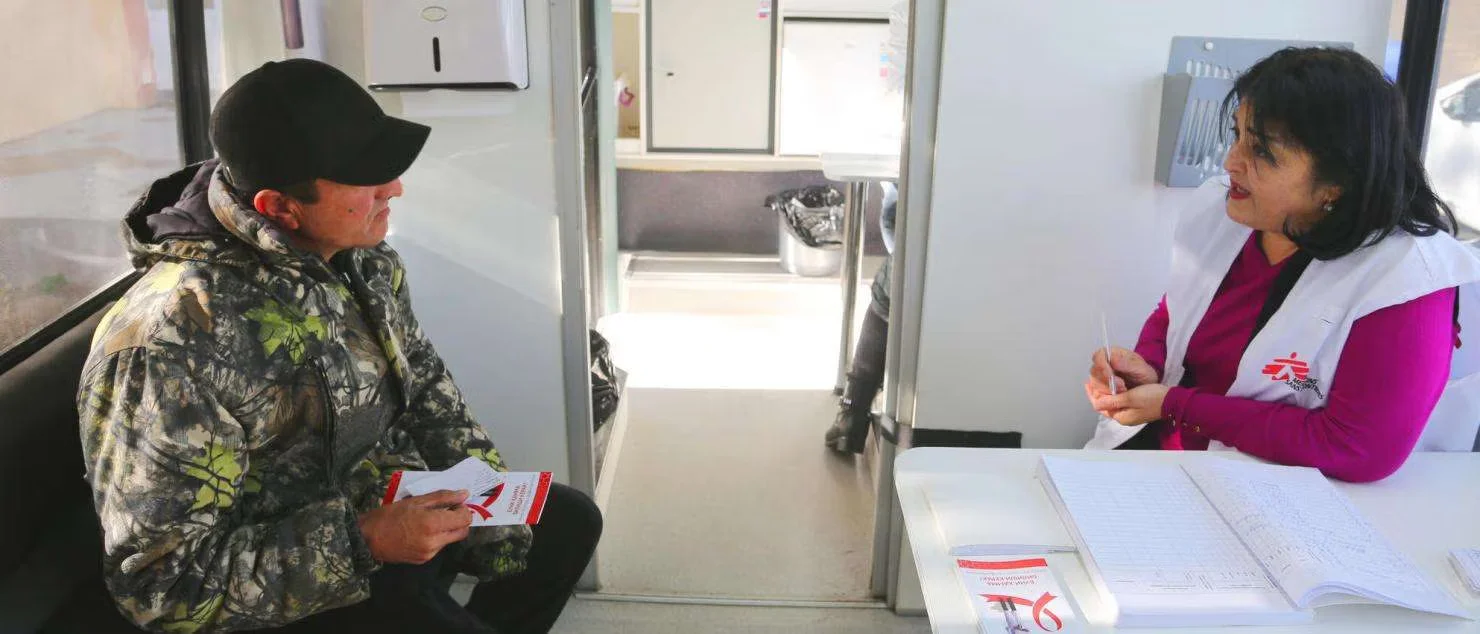
Doctors Without Borders (MSF) is pressing Gilead to directly sell lenacapavir, a two-a-year injectable PrEP for HIV prevention, to MSF for use in its humanitarian programs. Gilead has refused, directing MSF to obtain doses through the Global Fund, which has a limited supply, leaving many vulnerable people without access. MSF cites humanitarian need and calls for an urgent meeting by April 13 to decide pricing and delivery timelines.
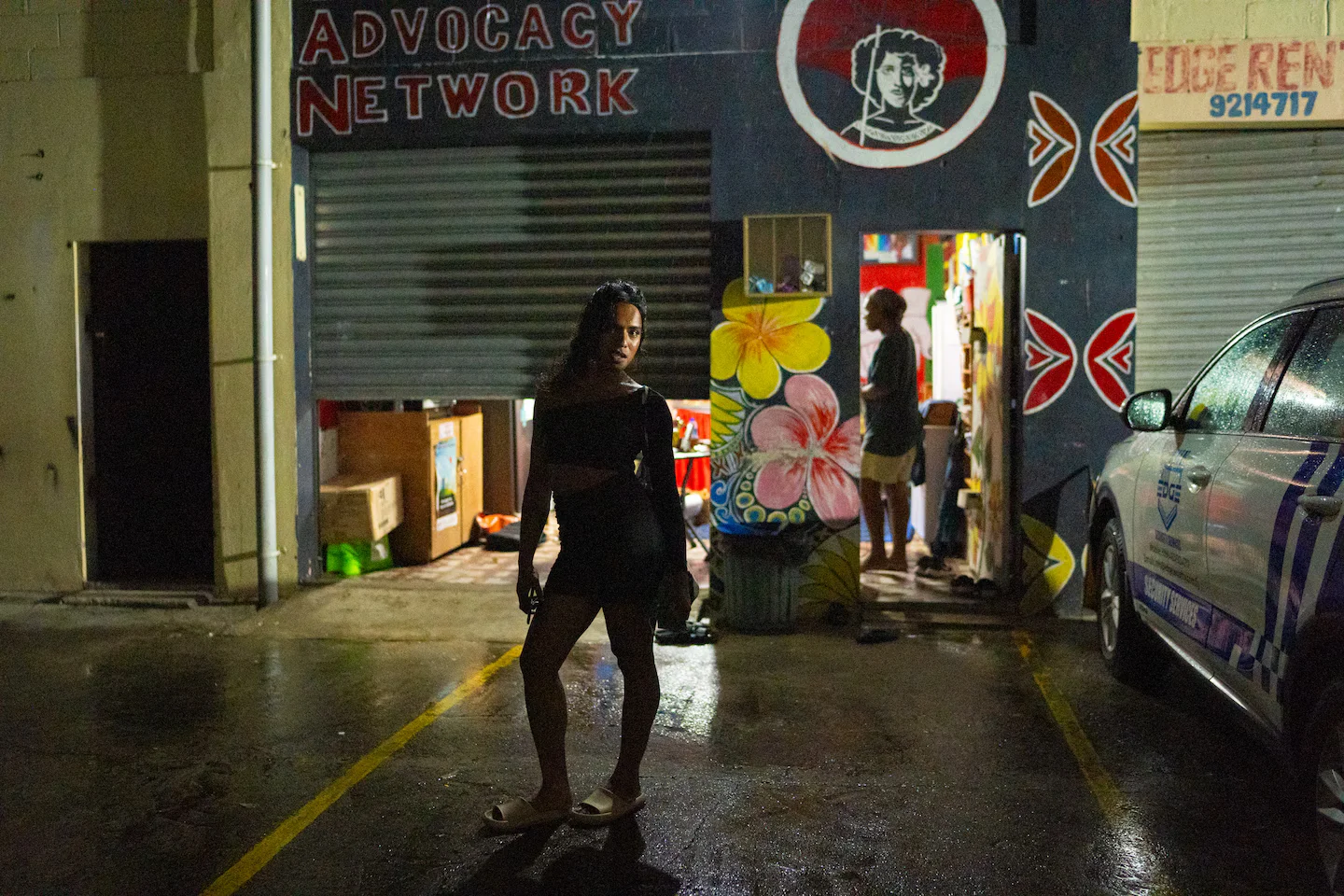
In Fiji, international crime networks use the archipelago as a meth transit hub, with weekly drop-offs in a squatter settlement where dealers package white crystals for about $22 a dose; the drug trade exacerbates a growing HIV epidemic among people who inject drugs, highlighted by community safe spaces such as Survival Advocacy Network that offer HIV testing and support.
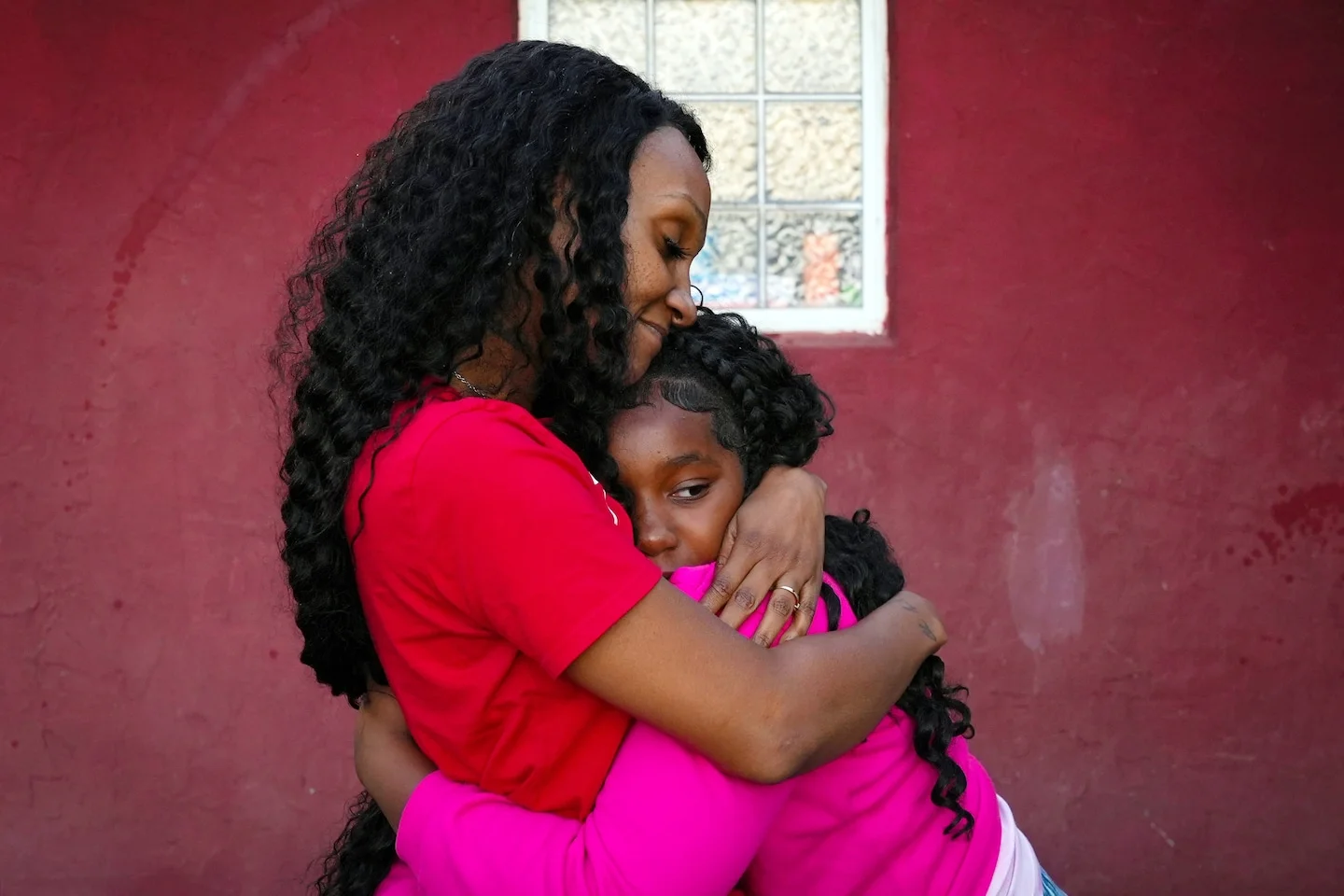
Florida is narrowing eligibility for its HIV Drug Assistance Program, risking coverage for about 16,000 residents; starting March 1, only households earning up to 130% of the federal poverty line (about $21,000) will qualify, down from 400% (around $64,000). The move comes as ACA subsidies expire and drug costs rise, threatening uninterrupted antiretroviral treatment for patients like Tori Samuel and potentially increasing viral rebound and transmission. State officials say the changes prevent a funding shortfall amid rising costs, while advocates warn the policy could undermine public health and prompt legal challenges.
Peter Duesberg, once a celebrated virologist, argued HIV did not cause AIDS and helped seed today’s anti-science movement; his claims were debunked, but his influence persists through figures like RFK Jr. who weaponize distrust of public health, shaping policy and vaccine skepticism with deadly consequences.
Florida’s Department of Health is trimming the AIDS Drug Assistance Program to avert a projected $120 million funding shortfall after Congress did not extend ACA tax credits, potentially depriving about 10,000 low‑income Floridians living with HIV/AIDS of affordable medications starting March 1, with eligibility narrowed to the poorest residents.
Kofi Okyere Darko (KOD) encourages tourists to visit Ghana during December, despite reports of robbery and rising HIV/AIDS cases, emphasizing that these issues should be addressed through education and that crime is not unique to Ghana.
David Baltimore, a pioneering virologist whose discovery of reverse transcriptase revolutionized understanding of retroviruses and contributed significantly to cancer and HIV/AIDS research, has passed away at age 87. His work challenged the central dogma of molecular biology and provided essential tools for modern genetic research.
The UN proposes to close UNAIDS by 2026 due to funding cuts, with plans to integrate its expertise into the broader UN system, amid ongoing challenges in global HIV/AIDS efforts.
The US has suspended some funding for its key HIV/AIDS relief program, PEPFAR, leading to disruptions in treatment and prevention efforts worldwide, with unclear impacts due to lack of data and ongoing budget disputes.