
Oil Surges Past $108 as Gulf-Iran Hormuz Talks Collapse Amid Yemen Escalation
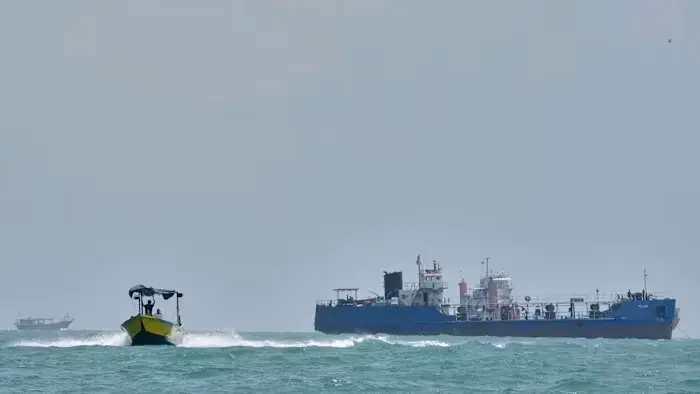
Brent crude jumped 3.5% to $108 after Oman postponed a critical meeting with Iran and Gulf states over the Strait of Hormuz. The delay, attributed to a lack of consensus and recent Houthi attacks in Yemen, threatens a temporary shipping agreement. Simultaneously, Saudi Arabia closed its East-West pipeline after a drone strike, further restricting oil exports and deepening regional instability.
Key points
- Brent crude rose 3.5% to $108 per barrel following the postponement of a Monday meeting in Salalah, Oman, involving Iran, the Gulf Cooperation Council (GCC), and Iraq.
- Oman’s foreign minister cited a lack of consensus for the delay, while Bahrain, holding the rotating GCC presidency, withdrew from the talks due to recent retaliatory attacks by Iran.
- The meeting aimed to secure regional backing for an interim agreement between Tehran and Muscat to manage shipping through the Strait of Hormuz, which has been throttled since the US-Israel war began in February.
- Saudi Arabia suspended operations on its 1,200km East-West pipeline after a drone attack from Iraq, a route vital for bypassing the blocked strait and exporting 4-5 million barrels daily.
- Houthi forces in Yemen seized the islands of Greater and Lesser Hanish and launched missile attacks on Saudi infrastructure, injuring 13 civilians and complicating regional security dynamics.
Background
This development follows a series of escalating tensions in the Middle East, including US strikes on Iranian oil carriers in September and Iran’s retaliatory attacks on Gulf neighbors. Previous attempts to reopen the Strait of Hormuz, such as a short-lived memorandum of understanding in June, failed due to disputes over transit rights and nuclear issues. The current postponement marks a setback in diplomatic efforts to stabilize energy flows, which had already been disrupted by the closure of the strait and recent attacks on Saudi infrastructure.
How outlets are covering it
The Financial Times emphasizes the diplomatic breakdown and its immediate impact on oil prices, highlighting the failure of the Omani initiative to secure a temporary shipping deal. Al Jazeera focuses on the military escalation in Yemen, noting that Houthi advances and Saudi air strikes are complicating the political landscape. While the FT attributes the meeting’s cancellation to a lack of consensus, Al Jazeera reports that Iran blamed Saudi Arabia for the postponement due to recent events in Yemen. Both sources agree that the situation is worsening, but they differ on the primary cause of the diplomatic failure: internal GCC disagreement versus external military pressure.
Why it matters
The postponement of these talks removes a key diplomatic avenue for reopening the Strait of Hormuz, a chokepoint for a fifth of the world’s oil and gas. With the Saudi East-West pipeline now offline, global oil supplies face severe constraints, driving prices to their highest level since May. This instability threatens to prolong the conflict and exacerbate economic disruptions worldwide, as the US and Iran remain deadlocked on nuclear and security issues.
What to watch
Analysts expect oil prices to remain volatile as the lack of a diplomatic solution persists. The US has indicated it will not return to the previous memorandum of understanding, demanding a comprehensive deal that includes nuclear concessions. Iran insists on lifting sanctions and unfreezing assets before reopening the strait. Meanwhile, the Houthi offensive in Yemen may continue to strain Saudi resources, potentially delaying further diplomatic initiatives in the region.
- Gulf states postpone talks with Iran over Hormuz impasse Financial Times
- Diplomacy stumbles with postponement of meeting on Strait of Hormuz proposal Reuters
- Diplomacy stumbles as meeting on Hormuz between Iran and Gulf states is postponed The Times of Israel
- Iran war live: Oman says Hormuz talks with Iran, Gulf states postponed Al Jazeera
- Meeting Between Iran, Arab States Postponed as Mideast Diplomacy Stalls The New York Times
Want the full story? Read the original reporting
Read on Financial Times