
Panama Canal slashes daily ship quotas to 32 as El Niño drought deepens
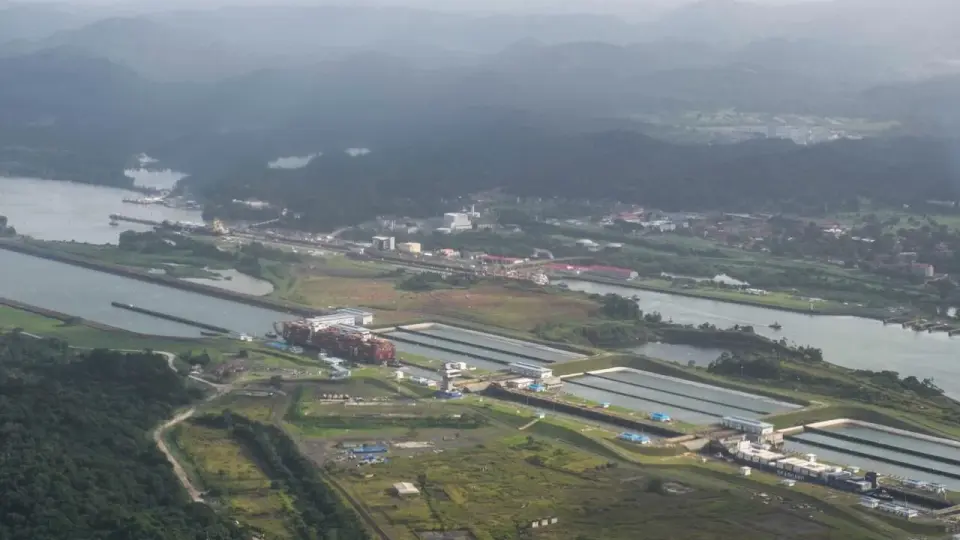
The Panama Canal Authority announced a reduction in daily vessel transits starting September 3, cutting capacity from 36 to 34 ships, and then to 32 by September 15. This move addresses severe water shortages in the canal’s artificial lakes, driven by an intense El Niño weather pattern. The restrictions follow record-high transit fees and previous water-saving measures, aiming to preserve the waterway’s long-term sustainability while managing global trade flows.
Key points
- Daily transit limits will drop from 36 to 34 vessels on September 3, and further to 32 vessels on September 15.
- Rainfall in the canal’s watershed is down 34% from historical averages between May and August, according to the Panama Canal Authority.
- The canal handles 5% of global maritime trade and approximately 40% of US container traffic, making disruptions significant for global supply chains.
- Transit fees have surged to record highs, averaging $1.1 million per slot in August, more than 16 times the cost from the previous year.
- The authority has introduced four cargo categories for slot allocation and prioritizes larger Neopanamax ships to ensure equitable access.
Background
This is the second time the Panama Canal has cut daily transits due to drought, following severe restrictions in 2023-2024 that reduced capacity by roughly 36%. Previous coverage noted that transit fees had already skyrocketed due to El Niño-induced low water levels and geopolitical disruptions, including the closure of the Strait of Hormuz. The canal remains a critical revenue source for Panama, generating nearly $3 billion in fiscal year 2025, while also serving as a vital link for US, Chinese, and Asian trade routes.
How outlets are covering it
France 24 and The Guardian emphasize the direct link between El Niño and the reduction in daily ship traffic, highlighting the drought’s impact on water supplies. Al Jazeera notes that the canal had previously stated no plans for limits in May, framing this as a reversal due to rapidly changing weather conditions. The Financial Times provides additional context on the economic impact, noting record-high transit fees and the authority’s new allocation system to manage demand. All sources agree on the specific reduction numbers and dates but differ in emphasis: some focus on the environmental cause, while others highlight the economic and logistical consequences for global trade.
Why it matters
The Panama Canal is a critical artery for global trade, and any reduction in capacity can lead to increased shipping costs, longer transit times, and supply chain disruptions. The reliance on freshwater for its lock system makes it vulnerable to climate change and weather patterns like El Niño. As the canal serves a significant portion of US and global container traffic, these restrictions could impact the cost and availability of goods worldwide, particularly for large retailers and energy companies. The situation also underscores the growing impact of climate change on critical infrastructure and global trade routes.
What to watch
The Panama Canal Authority has indicated that further restrictions may be necessary depending on rainfall in the coming weeks. The authority will provide timely updates on any additional operational adjustments. Shipping companies are advised to arrange bookings in advance, as waiting times for non-reserved slots are expected to increase. The situation will likely be monitored closely by global logistics companies and governments, given the canal’s importance to international trade and its role as a major revenue source for Panama.
- Panama Canal to cut daily ship traffic as drought worsens from El Nino France 24
- Panama canal to reduce shipping as El Niño strikes vital route The Guardian
- Panama Canal to cap daily transits, anticipating severe El Niño Reuters
- Panama Canal to limit shipping ahead of extreme weather during El Nino Al Jazeera
- Panama Canal to cut daily transits as El Niño grips region Financial Times
Want the full story? Read the original reporting
Read on France 24