
El Niño forces Panama Canal to slash daily ship transits to 32
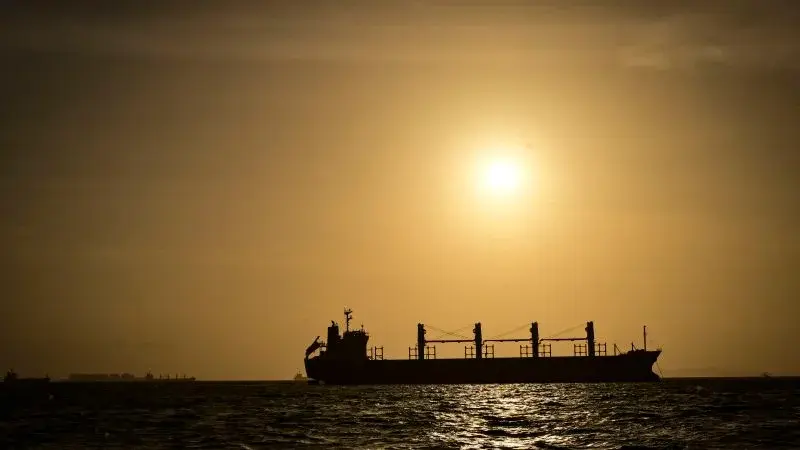
The Panama Canal Authority is reducing daily vessel transits from 36 to 32 starting September 15 due to severe drought linked to a strong El Niño. This move aims to preserve water levels in Gatun Lake, which supplies drinking water to Panama City. The reduction follows earlier cuts in September and marks a reversal from earlier assurances that no limits would be imposed this year. The canal, handling about 5% of global maritime trade, faces potential supply chain disruptions and increased shipping costs, particularly for refrigerated goods from South America. This is the second time the canal has cut transits due to El Niño, with the 2023 drought causing a 36% drop in traffic. Experts warn that this year’s El Niño could be among the strongest on record, exacerbating global weather and economic impacts.
Key points
- Daily transits will drop from 36 to 34 on September 3, then to 32 by September 15.
- The Panama Canal Authority cited low rainfall and El Niño-driven drought as the primary reasons for the cuts.
- The canal relies on freshwater from Gatun Lake, which also supplies drinking water to Panama City.
- The 2023 El Niño caused a 36% drop in traffic, leading to global supply chain disruptions.
- Shipping costs are expected to rise, particularly for refrigerated container trade from South America to North America and Europe.
- The canal handles about 5% of global maritime trade and roughly 40% of US container traffic.
Background
The Panama Canal has faced increasing pressure from climate change and geopolitical disruptions. In 2023, a severe drought linked to El Niño led to a 36% drop in traffic, causing global supply chain disruptions. The canal’s reliance on freshwater from Gatun Lake, which also supplies drinking water to Panama City, has made it vulnerable to drought. In August 2026, transit fees hit record highs due to El Niño-induced low water levels and Iran-related disruption, with August auctions averaging about $1.1 million per slot. The canal’s operator, the Panama Canal Authority, has implemented water-saving measures such as limiting drafts to sustain operations. The recent cuts in transits are part of a broader effort to preserve water resources and ensure the long-term sustainability of transit operations.
How outlets are covering it
CNN emphasizes the impact of the drought on the Panama Canal and its potential effects on global trade and consumer costs. The Journal of Commerce highlights the impact of El Niño on the refrigerated container trade, particularly for fresh produce from South America. BBC focuses on the reduction in daily transits and the canal’s role in global trade, noting that the canal handles about 14,000 ships per year and brings in about $3 billion in revenue for Panama. Al Jazeera provides a broader perspective on the El Niño phenomenon and its potential impacts on weather and economies, noting that the canal’s water levels are declining due to low rainfall. All sources agree on the severity of the El Niño and its impact on the Panama Canal, but they differ in their emphasis on the specific sectors affected, such as refrigerated goods, global trade, and consumer costs.
Why it matters
The Panama Canal is a critical route for global trade, handling about 5% of global maritime trade and roughly 40% of US container traffic. The reduction in daily transits due to El Niño-driven drought could lead to slower international shipping, increased costs, and supply chain disruptions. The canal’s reliance on freshwater from Gatun Lake, which also supplies drinking water to Panama City, makes it vulnerable to drought. The recent cuts in transits are part of a broader effort to preserve water resources and ensure the long-term sustainability of transit operations. The impact of El Niño on the Panama Canal could have far-reaching consequences for global trade, consumer costs, and the economies of countries that rely on the canal for their exports and imports.
What to watch
The Panama Canal Authority will monitor water levels and may implement further reductions in transits if conditions worsen. The canal’s operator has urged advance bookings and may adjust transit categories to allocate slots by cargo type, prioritizing larger Neopanamax ships. The impact of El Niño on the Panama Canal could lead to increased shipping costs, particularly for refrigerated goods from South America to North America and Europe. The canal’s operator may also implement additional water-saving measures to sustain operations. The impact of El Niño on the Panama Canal could have far-reaching consequences for global trade, consumer costs, and the economies of countries that rely on the canal for their exports and imports.
- One ship paid $4 million to skip the Panama Canal line. Here’s why that matters for your wallet CNN
- El Niño adds to an already stressed cold-chain ocean market Journal of Commerce
- Panama Canal to cut number of ships passing through due to El Niño BBC
- Panama Canal to limit shipping ahead of extreme weather during El Nino Al Jazeera
- Explainer: What El Niño's return means for the Panama Canal — and global trade Reuters
Want the full story? Read the original reporting
Read on CNN