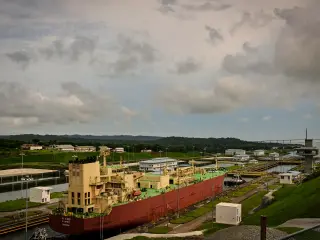
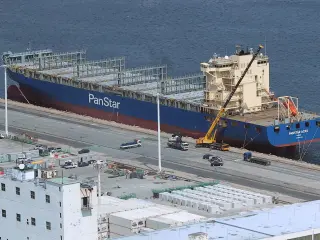
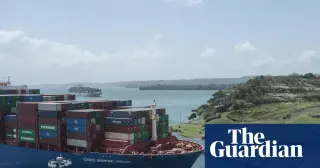
The Panama Canal Authority announced a reduction in daily vessel transits from 36 to 32 starting September 15, 2026, due to severe drought conditions caused by El Niño. This move aims to preserve water levels in the canal's artificial lakes, which are critical for both shipping and the drinking water supply of half of Panama's population. The restrictions follow a phased reduction beginning September 3, where daily limits drop to 34 vessels. Rainfall in the canal's watershed is 34% below historical averages, and the current El Niño event is expected to be one of the strongest on record. These cuts threaten to increase shipping costs and transit times, impacting global trade routes that handle 5% of maritime commerce and 40% of US container traffic. The canal operator has already implemented water-saving measures, including limiting draft depths for large ships, and warns that further restrictions may be necessary if rainfall remains low. The situation exacerbates existing supply chain pressures, particularly for cold-chain goods and energy shipments, as companies seek alternative routes or pay premium auction prices for priority transit slots.