
Russia Shifts Pig Iron Exports to Arctic Murmansk Amid Black Sea Disruption
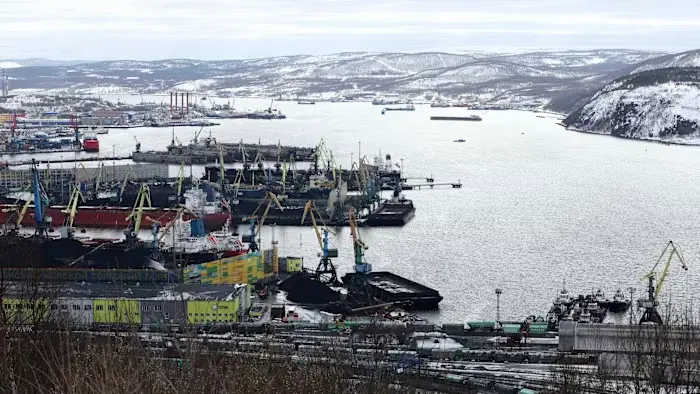
Russia has begun exporting pig iron from its Arctic port of Murmansk for the first time in 30 years, rerouting shipments away from the Black Sea due to intense Ukrainian strikes. This logistical shift, involving a 65,000-tonne trial shipment, adds 10 days to transit times and doubles freight costs to Turkey, highlighting the severe disruption to Russian metal exports caused by maritime warfare.
Key points
- Murmansk port resumed handling pig iron on October 14, 2026, after a 30-year hiatus, with a trial shipment of 65,000 tonnes moving from the Urals via 180 railcars.
- The reroute is driven by nearly 700 strikes in the Black Sea this year, which halted pig iron exports from the southern port of Novorossiysk after July 31.
- Freight rates from Murmansk to Turkey are nearly double those from Black Sea terminals, with some producers paying an extra $100 per ton for rail and ship transport.
- The EU banned Russian pig iron imports on January 1, 2026, making Turkey the likely destination for these Arctic-routed cargoes.
- Port infrastructure in Murmansk required specialized modifications, including custom loading buckets and electromagnets, to handle the heavy metal shipments.
Background
This development follows a broader pattern of Russian export rerouting. In October 2026, drone strikes sank merchant vessels in Bulgarian waters, escalating tensions in the Black Sea. Earlier in the year, Baltic ports faced congestion as Russia diverted grain and other commodities away from southern routes. The current shift to the Arctic represents a further escalation in logistical complexity as southern and Baltic options become saturated or disrupted.
How outlets are covering it
The Financial Times emphasizes the unprecedented nature of the Murmansk shipment and the specific cost penalties, noting that the journey is 10 days longer and significantly more expensive. Kyiv Post highlights the desperation of Russian logistics, citing analyst Yoruk Işık’s view that such rapid rerouting is structurally difficult due to infrastructure limits. European Business Magazine focuses on the broader grain export shift to Baltic ports, noting that while multipurpose terminals like Ultramar and Port Vysotsky are adapting, they cannot fully replace Black Sea capacity. Riddle Russia provides a macro view, arguing that the war is undermining Russia’s status as a 'grain superpower' and that alternative routes currently handle only about 10% of previous Black Sea volumes, leading to potential domestic market gluts and reduced future acreage.
Why it matters
The shift to Arctic exports signals a critical vulnerability in Russia’s industrial supply chain. The increased costs and logistical bottlenecks may reduce global competitiveness of Russian metals and grains, potentially affecting global prices and supply chains for steel and cast iron. It also illustrates the tangible economic impact of maritime warfare on neutral trade routes and third-party logistics networks.
What to watch
Port authorities in Murmansk will assess the trial shipment to determine if regular monthly pig iron exports are feasible. Meanwhile, Baltic port operators will continue adapting infrastructure for grain and other bulk cargoes. The situation in the Black Sea remains volatile, with no immediate prospect of a truce, likely prolonging the reliance on costly alternative routes.
- Russia ships metal via the Arctic to evade Ukrainian strikes Financial Times
- Russia Reroutes Pig Iron to Arctic Port for First Time in 30 Years Kyiv Post
- Market has already priced in russian wheat: What are the risks for Ukraine? UkrAgroConsult
- Baltic Ports Adapt to Surge in Grain Exports from Russia European Business Magazine
- Harvest of War: Russia’s Grain Export Boom Faces a Test Riddle Russia
Want the full story? Read the original reporting
Read on Financial Times