
Panama Canal Auctions Hit $4M Record as Iran War and El Niño Clog Global Trade
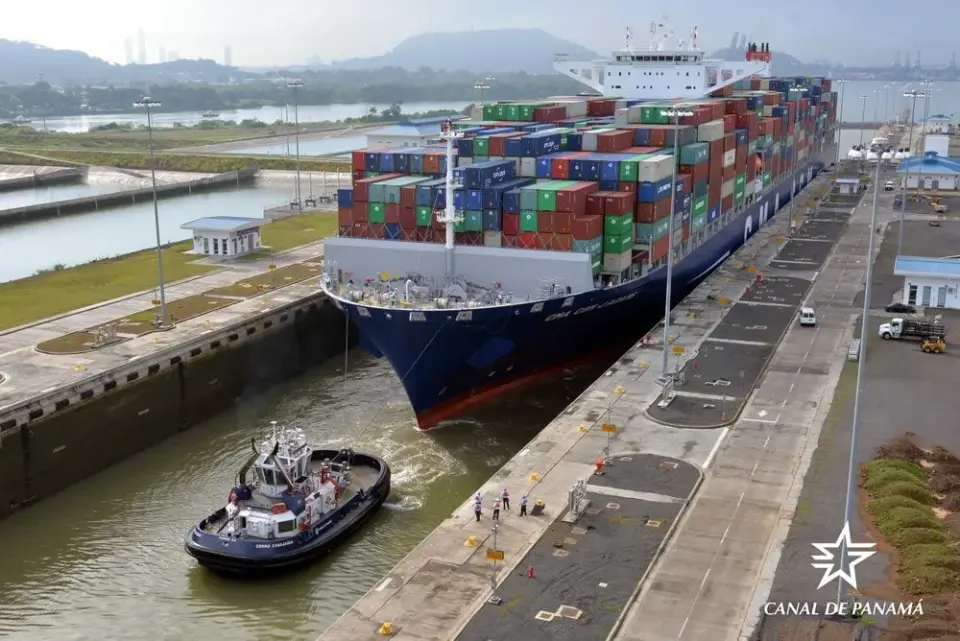
A container ship paid a near-record $4 million to bypass a week-long queue at the Panama Canal, driven by Middle East conflict and drought. Wait times for large vessels have reached 10 days, the highest since May, as global trade routes face severe congestion.
Key points
- The container ship Seaspan Benefactor paid $4 million to jump the queue, more than double the seven-day average bid.
- Wait times for Neopanamax vessels have reached 10 days, the highest since May, due to congestion and maintenance outages.
- The Panama Canal Authority is imposing draft restrictions due to falling water levels in Gatun Lake caused by El Niño.
- The Iran war has closed the Strait of Hormuz and Bab el-Mandeb, forcing ships to reroute through the Panama Canal.
- Auction prices for transit slots have surged more than 16-fold compared to the same period last year.
Background
This surge in costs follows a period of rising transit fees and draft restrictions earlier in 2026. In July, the Panama Canal Authority began curbing bookings due to water-supply challenges. In August, fees hit record highs as El Niño-induced low water levels and Iran-related disruption squeezed traffic. The canal has also seen a 5% increase in transits between October and June, driven by container ships and liquefied petroleum gas carriers.
How outlets are covering it
Bloomberg and The Guardian highlight the $4 million payment by the Seaspan Benefactor as a symptom of broader congestion, noting that the Iran war has forced ships to avoid the Persian Gulf and Red Sea. The Maritime Executive provides technical details, noting that the vessel is chartered by Ocean Network Express and that average bids for Neopanamax locks have reached $2.5 million. While Bloomberg focuses on the auction mechanism, The Guardian emphasizes the climate impact of El Niño on water levels, and The Maritime Executive notes the potential for further draft restrictions in September.
Why it matters
The soaring costs and delays at the Panama Canal threaten to disrupt global supply chains, particularly for energy and consumer goods. As the canal faces water shortages and increased demand, companies may face higher costs, delayed shipments, and potential shortages of goods in key markets.
What to watch
The Panama Canal Authority is expected to impose further draft restrictions in September, potentially reducing the number of vessels that can transit the canal. If water levels continue to fall, the authority may be forced to reduce the number of daily transits, as it did during the 2023 drought.
- Ship Pays $4 Million to Cut the Line at Panama Canal gCaptain
- Panama canal fees soar due to Iran war and El Niño as ship ‘pays $4m to jump queue’ The Guardian
- Panama Canal charges ships record $1m to cross with Hormuz closed Yahoo Finance
- Panama Canal Auction Prices Soar as Wait Builds and Water Level Falls The Maritime Executive
- Panama Canal fees hit record high as El Niño and Iran war choke shipping ft.com
Want the full story? Read the original reporting
Read on gCaptain