
EU-Brazil Trade Rift Deepens Over Antibiotic Rules as Beef Ban Holds
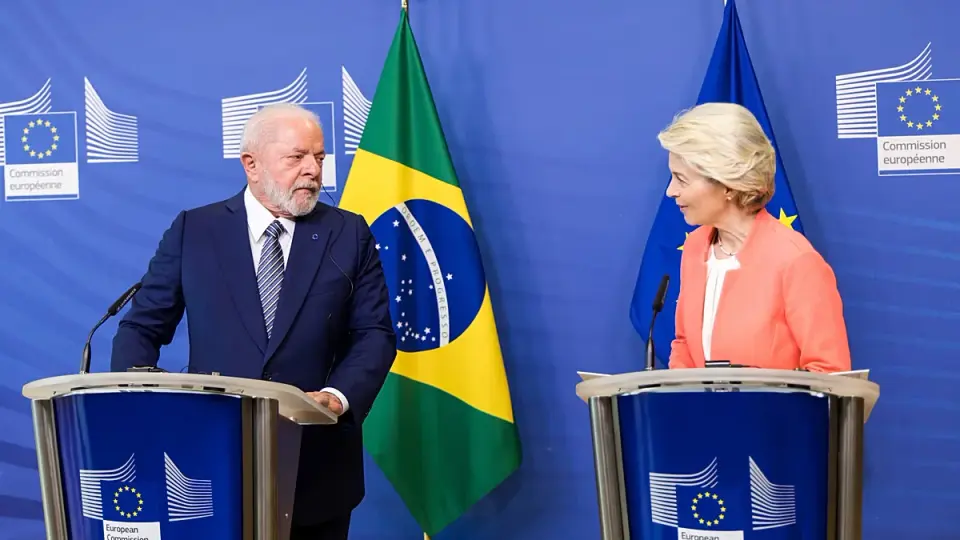
The EU has suspended imports of Brazilian beef, poultry, and honey due to non-compliance with antibiotic use regulations. While Brazil’s EU ambassador rejects the need for further audits and threatens retaliation, the EU maintains its stance is non-discriminatory. A recent audit cleared Brazil for poultry and honey, but beef remains blocked pending stricter guarantees.
Key points
- The European Commission banned Brazilian meat imports on September 3, 2026, citing Brazil’s failure to meet EU rules on antimicrobial use in livestock.
- Brazil’s EU ambassador, Pedro Miguel da Costa e Silva, stated that no audit was necessary and warned that 'all options are on the table' for retaliation if the ban persists.
- The EU Commission’s deputy spokesperson, Olof Gill, defended the ban as non-discriminatory, noting that food safety rules have been in place for years.
- Brazil’s Ministry of Agriculture announced that an EU audit of poultry and honey concluded on September 4, with Brazil’s procedures deemed satisfactory, allowing potential resumption of those specific exports.
- The ban covers beef, poultry, honey, and other animal products, but excludes gelatine, collagen, and wild animal products.
Background
This dispute follows the provisional entry into force of the EU-Mercosur free trade deal in May 2026, which faced opposition from EU farmers concerned about substandard imports. Earlier in 2026, the EU had already suspended Brazilian meat imports over antibiotic compliance worries, with no initial timeline for resumption. The current escalation occurs against a backdrop of broader tensions regarding food safety standards and antimicrobial resistance, a global health issue linked to antibiotic misuse in livestock.
How outlets are covering it
Euronews highlights the diplomatic friction, noting Brazil’s ambassador’s rejection of the audit necessity and the EU’s defense of its non-discriminatory approach. AP News focuses on the potential for Brazilian retaliation and the broader trade implications. The Conversation provides a scientific perspective, explaining that the dispute centers on production practices rather than residue testing, and notes that antibiotic resistance is a 'one health' issue affecting human, animal, and environmental health. Foodmarket.com reports on the partial progress, noting that Brazil has advanced toward resuming poultry and honey exports after a successful audit, while beef remains blocked. The sources differ in emphasis: Euronews and AP News focus on the political and trade dispute, while The Conversation emphasizes the public health and scientific rationale behind the EU’s stance. Foodmarket.com provides a more nuanced view of the partial progress in the audit process.
Why it matters
The dispute threatens to disrupt a major trade relationship between the EU and Mercosur, potentially affecting global food supply chains and agricultural markets. It also highlights the growing global concern over antimicrobial resistance, a critical public health issue that requires coordinated international action. The outcome could set precedents for how trade agreements address food safety and environmental standards, influencing future negotiations and regulatory frameworks.
What to watch
Brazil may implement countermeasures if the EU ban on beef persists, potentially escalating the trade dispute. The EU and Brazil will continue discussions to resolve the issue, with Brazil aiming to provide the necessary guarantees for beef exports. The partial resumption of poultry and honey exports may serve as a model for addressing the beef ban. The outcome of this dispute could influence future trade negotiations and regulatory standards for food safety and antimicrobial use globally.
- No need to audit our meat, says Brazil's EU ambassador as trade dispute escalates Euronews.com
- Brazil considers reciprocal measures after EU halts imports of Brazilian goods AP News
- EU ban on animal products affects $1.8 billion in Brazilian exports Reuters
- Brazilian meat, antibiotics and superbugs: what you need to know The Conversation
- Brazil Advances Toward Resuming EU Poultry and Honey Exports After Successful Audit foodmarket.com
Want the full story? Read the original reporting
Read on Euronews.com