The European Union suspended imports from Brazil, including beef, citing antimicrobial compliance, prompting Brazil to consider retaliation and signaling further EU measures ahead of full implementation of the EU–Mercosur deal.
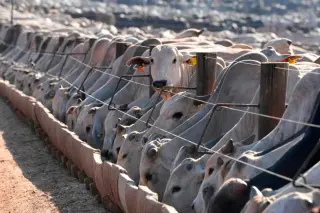
The European Union will ban imports of Brazilian meat starting Sept. 3 after a unanimous vote citing the use of antimicrobials to promote growth, removing Brazil from the list of countries compliant with EU animal-safety rules as the EU-Mercosur trade deal enters into force.
The EU-Mercosur trade pact takes provisional effect on Friday, marking its first entry into force and raising hopes for increased trade and investment between Europe and South America, while also drawing concerns about environmental safeguards and impacts on domestic industries and livelihoods.
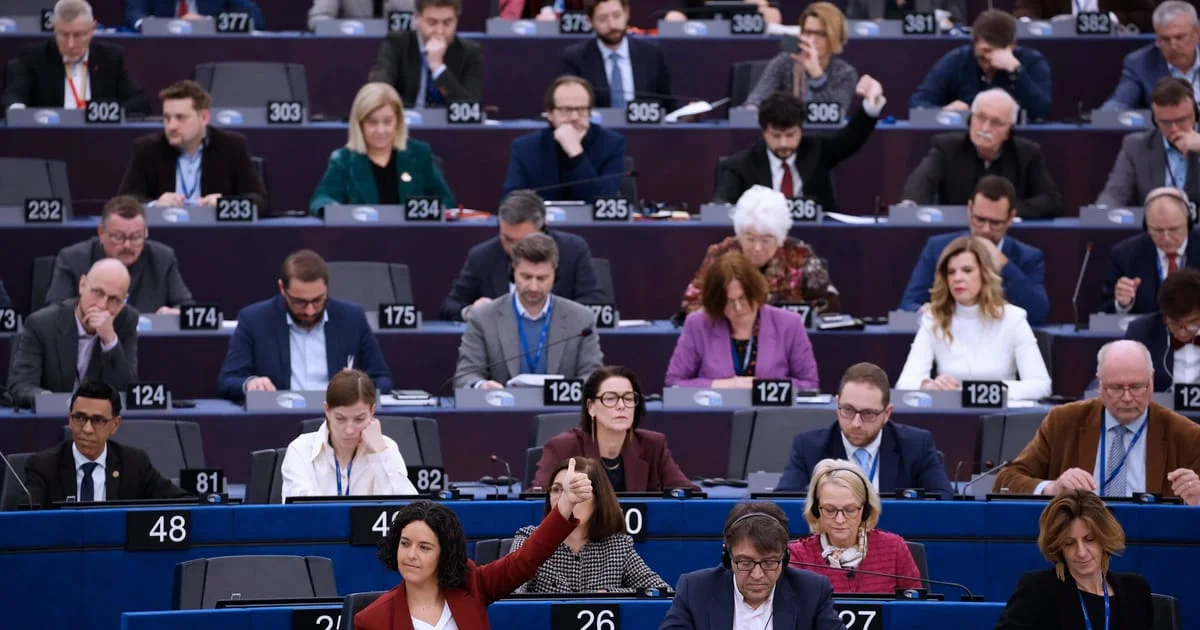
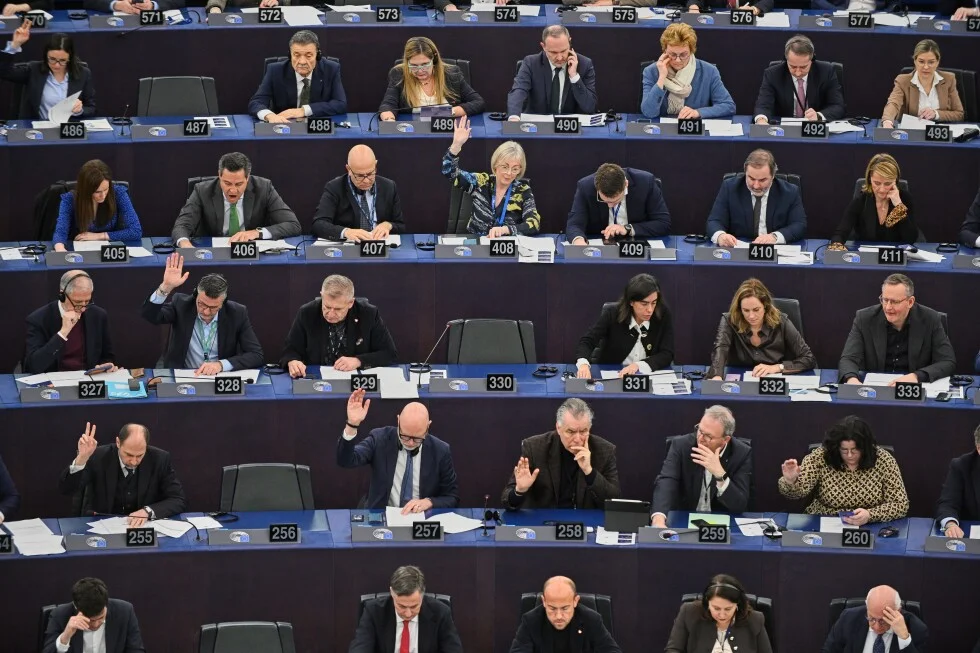
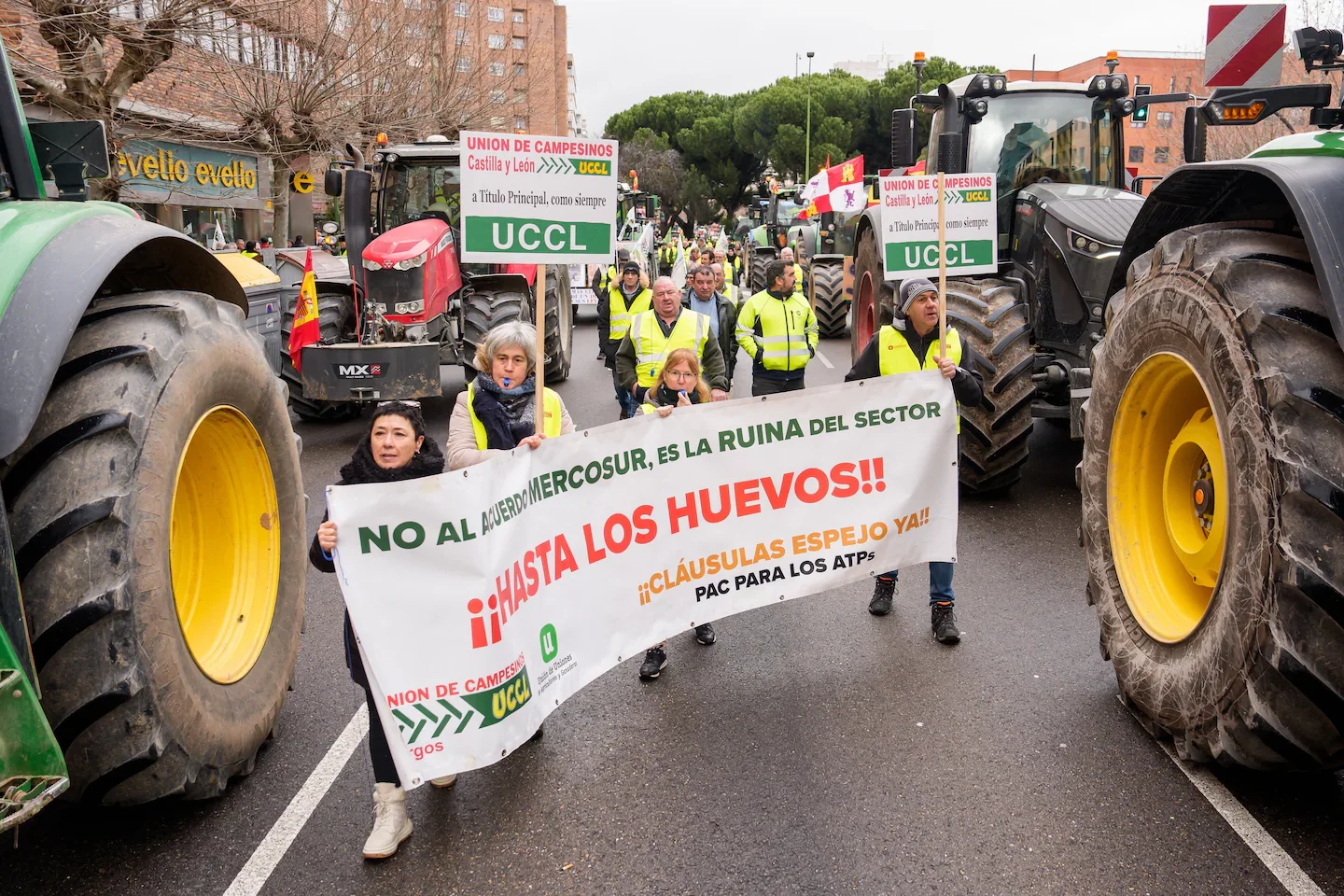
The European Commission’s bid to prevent a freeze on the EU–Mercosur deal failed as the European Parliament voted to seek an opinion from the Court of Justice of the EU, delaying ratification for 18–24 months. The result exposed deep national-political fault lines across member states, with swing MEPs and farmers’ concerns driving departures from party lines, illustrating how domestic politics outweighed the Commission’s global-trade agenda.
The European Commission says it is ready to implement the EU-Mercosur trade deal despite the European Parliament voting to refer the pact to the European Court and delay its adoption.
EU lawmakers narrowly voted to refer the EU-Mercosur free-trade pact to the European Court of Justice for a legality ruling, delaying ratification for months; the agreement, signed recently, aims to eliminate most tariffs between the EU and Mercosur members and could be provisionally applied while the court reviews it.
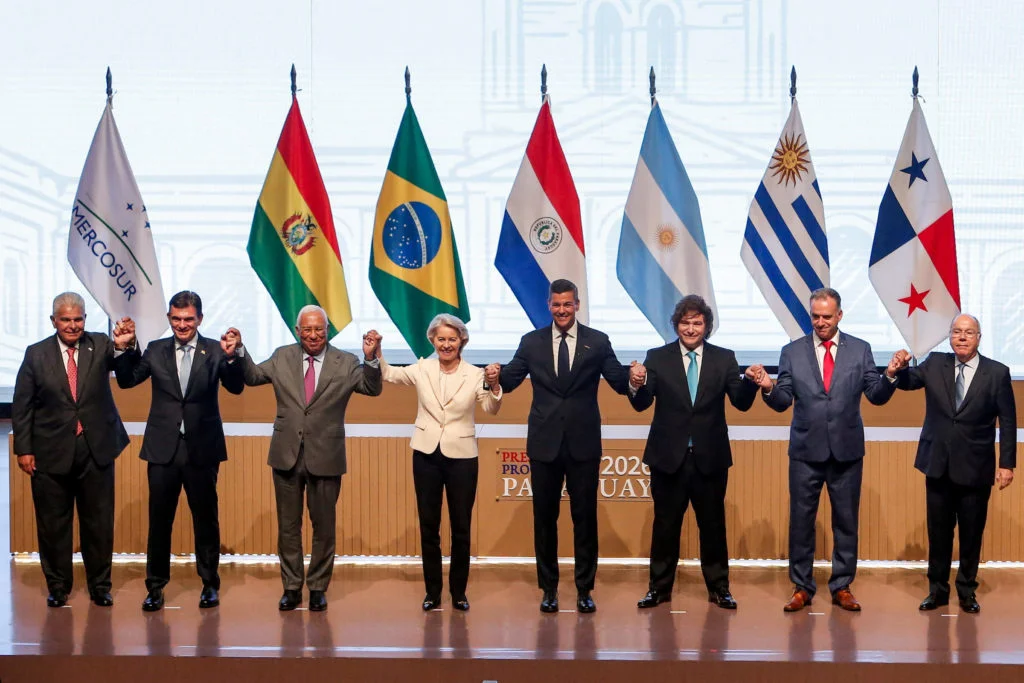
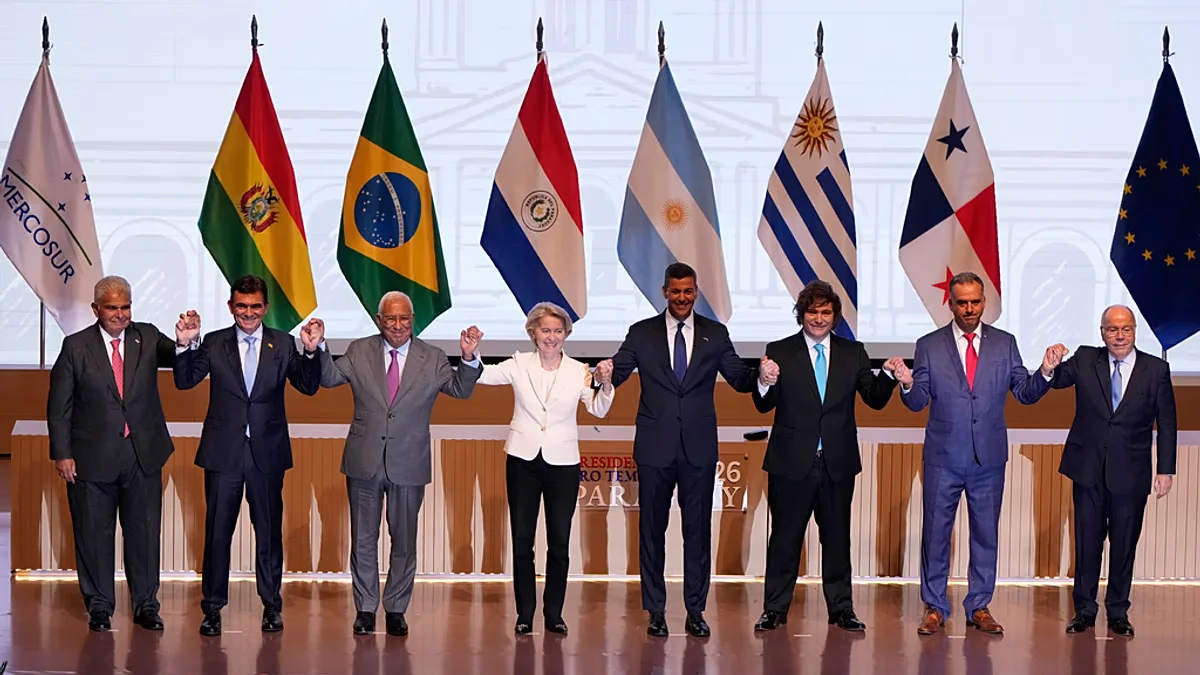
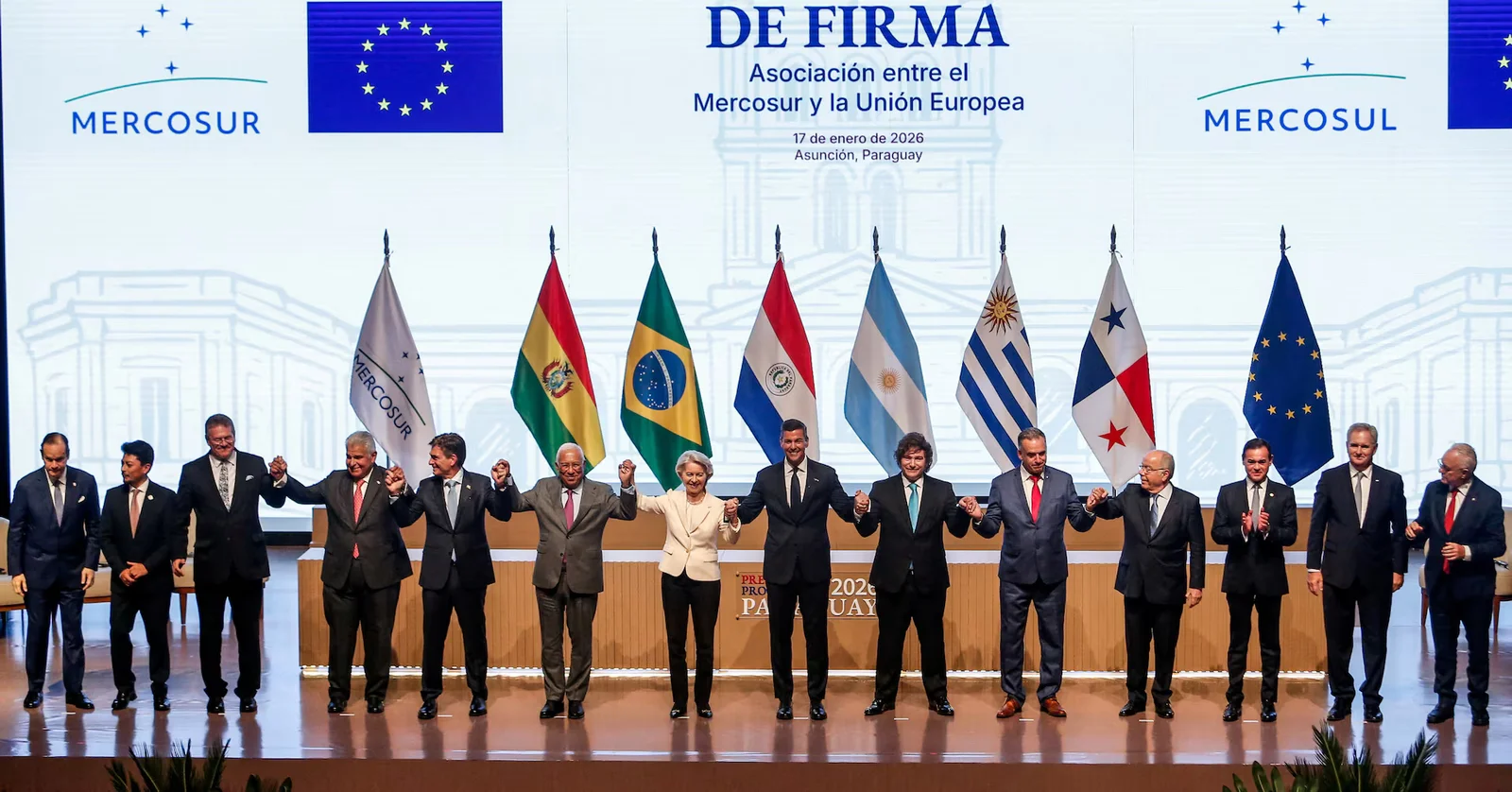
After more than 25 years of talks, the European Union and Mercosur signed a landmark free-trade agreement in Asunción, aiming to eliminate over 90% of tariffs and create one of the world’s largest tariff-free zones for about 700 million consumers, though ratification by the European Parliament and farm-lobby objections remain potential hurdles amid ongoing geopolitical competition with the U.S. and China.
After a 25-year quest, the EU signed a free-trade deal with Mercosur creating a 700-million-person market and phasing out about 90% of tariffs across sectors, with EU firms set to save over €4 billion annually in duties. The pact also opens Mercosur procurement to EU companies, protects 344 European geographical indications and aims to secure critical minerals, reducing dependence on China. But ratification in the European Parliament is contested, with France opposing and Italy securing concessions; safeguards are in place to reimpose tariffs if imports rise beyond 5% in sensitive sectors, including beef (99,000 tonnes at 7.5% tariff) and poultry (180,000 tonnes per year). Projections show EU exports to Mercosur rising about 39% by 2040, while Mercosur imports grow about 17%. The deal now moves to the European Parliament for approval, with a possible court challenge ahead.
EU and Mercosur signed a free-trade agreement in Asuncion, paving the way for the EU's largest-ever trade pact; it now requires European Parliament approval and ratification by Mercosur members, with about 111 billion euros in 2024 trade and exports split between EU machinery/chemicals/vehicles and Mercosur agricultural goods/minerals/wood pulp, while critics warn of cheap imports and deforestation.
EU leaders are set to sign a landmark free-trade agreement with Mercosur (Brazil, Argentina and allies) to create what officials call the world’s largest free-trade zone, a culmination of a 25-year effort framed as a demonstration that open markets can endure amid President Trump’s protectionist tilt.
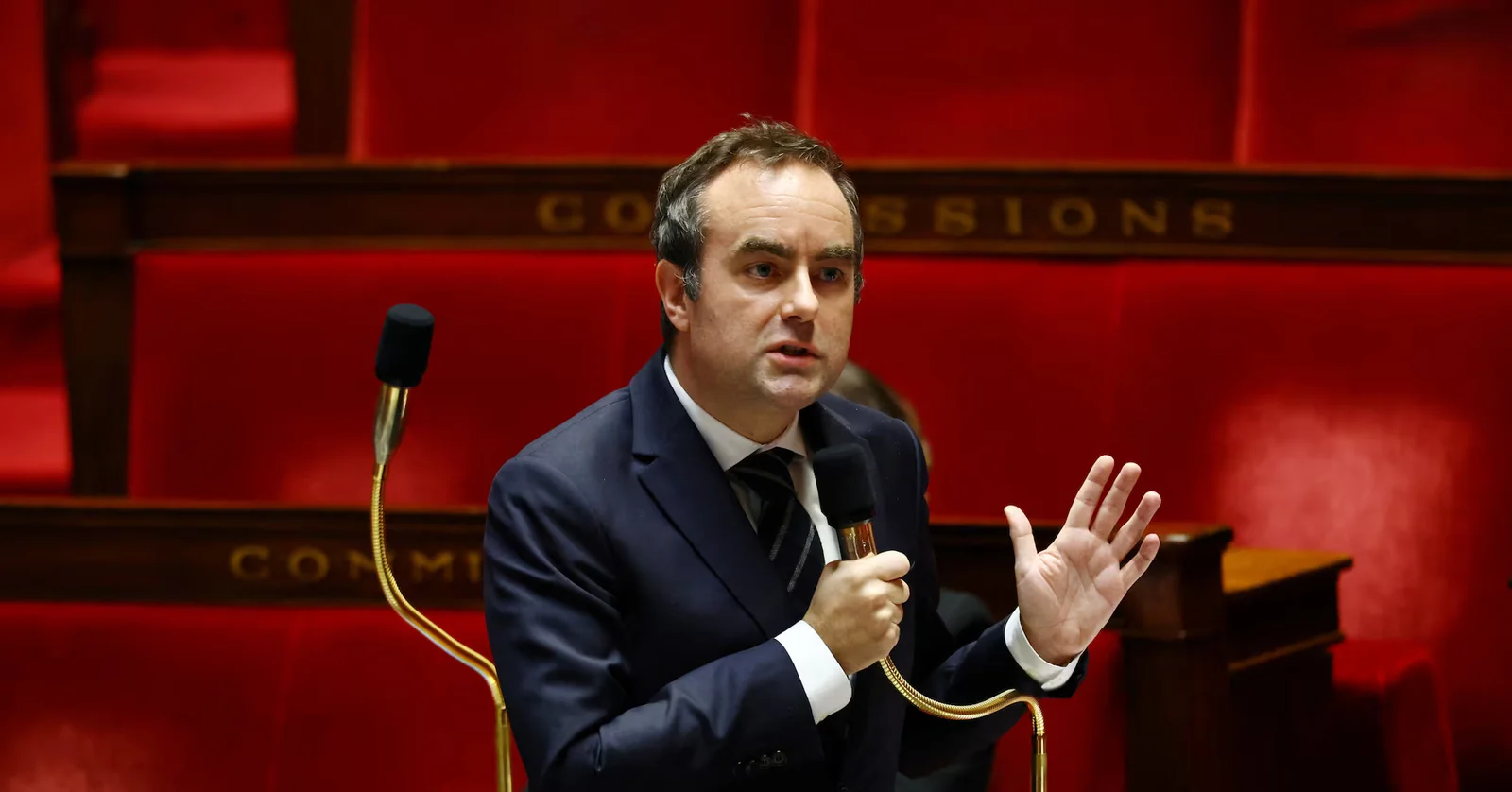
French Prime Minister Sébastien Lecornu survived two no-confidence motions in Parliament filed by the far-right RN and the hard-left LFI over the EU-Mercosur trade deal; both motions failed, allowing the government to turn to the 2026 budget. Debates ahead include possibly invoking Article 49.3 to push the finance bill through without a vote, which could spark further motions of no-confidence. Macron aims for a January budget adoption with the deficit hovering near 5%, while opposition parties and past parliamentary fragmentation keep the process fragile.
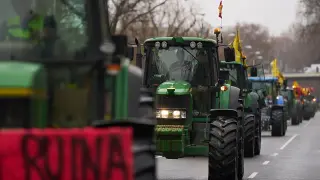
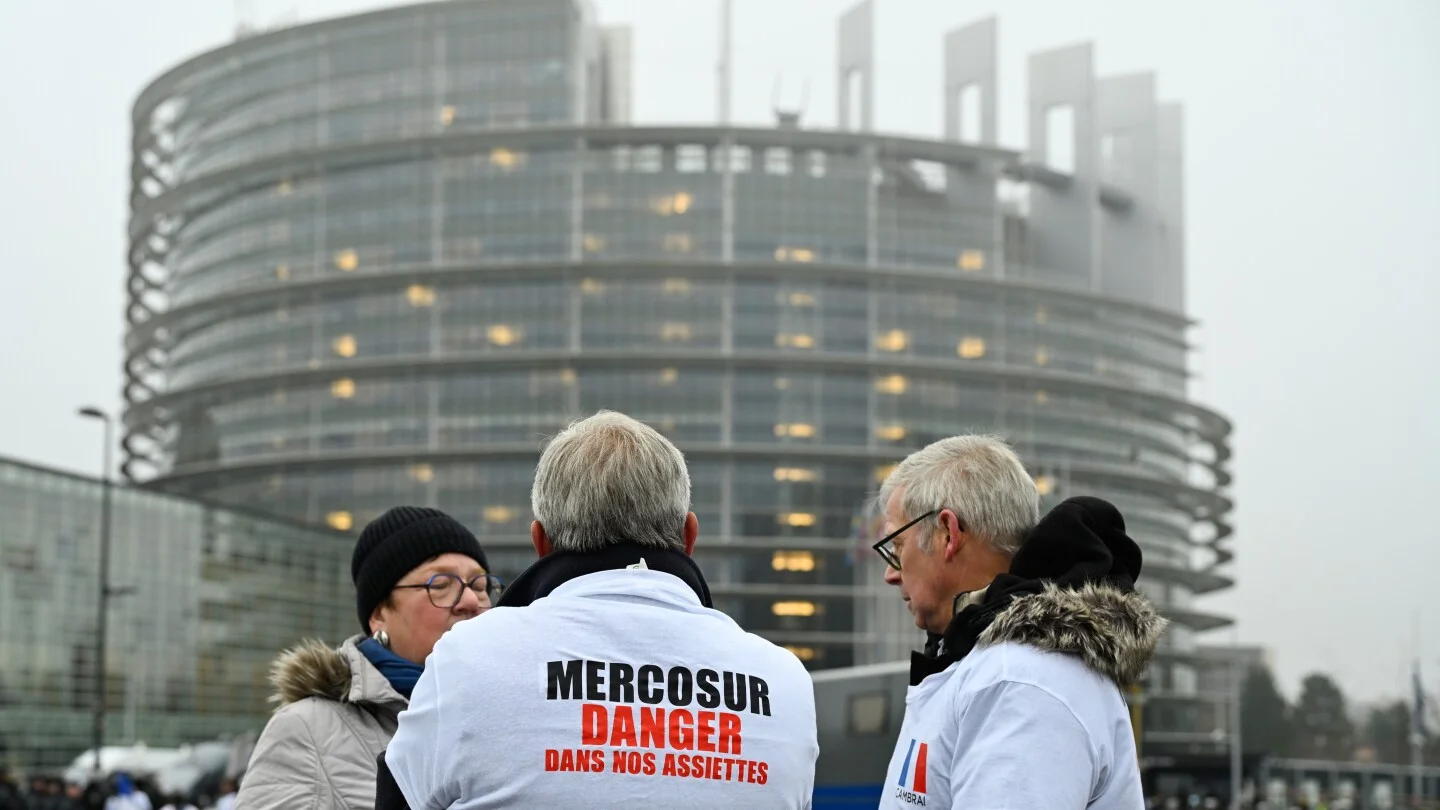
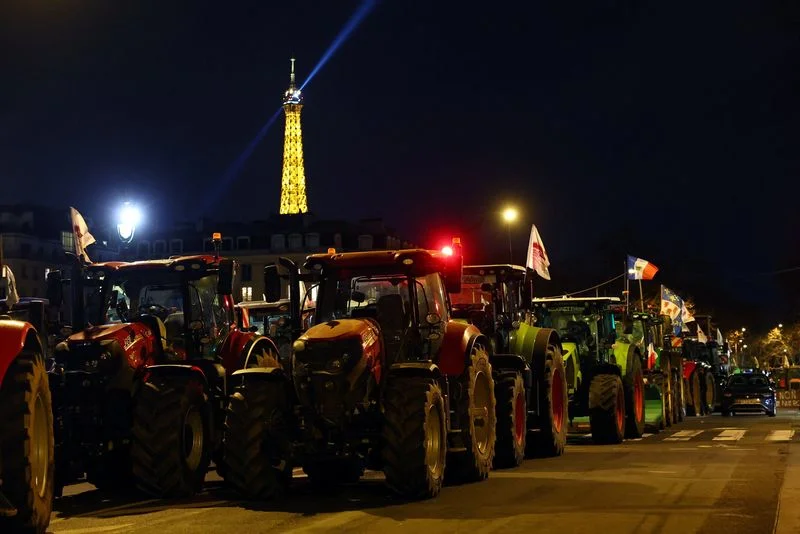
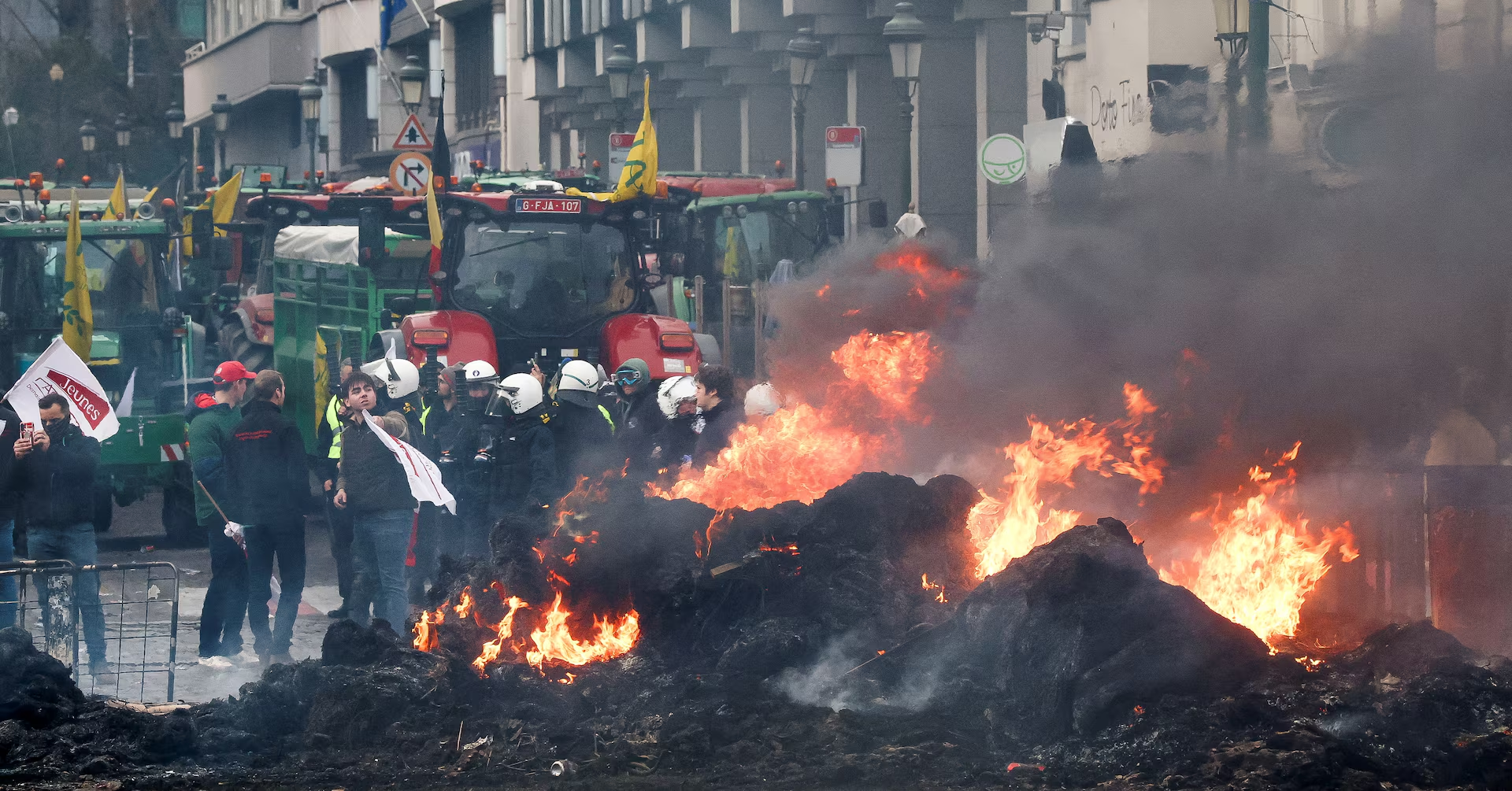
French farmers blocked central Paris with tractors to pressure the government and the EU over the EU–Mercosur free-trade agreement, arguing it threatens French agriculture with cheaper South American imports. Organized by FNSEA and Jeunes Agriculteurs, protesters planned to stay overnight as talks continue, with a further demonstration planned at the European Parliament in Strasbourg on Jan 20 and government measures tied to the 2026 budget.
The European Union and Mercosur have finally sealed a long-running trade pact, marking a major geoeconomic milestone after decades of talks since 1999 and signaling a renewed push for open markets in the Trump-era global landscape.
The EU and Mercosur reached a free-trade agreement after 25 years of talks, pending European Parliament approval, in what’s billed as the bloc’s largest FTA. It aims to boost trade and climate goals with safeguards for farmers, anti-deforestation commitments, and a phased tariff liberalization over 15 years, saving EU exporters about €4 billion a year in duties. While praised as a win for multilateralism, critics warn cheaper imports could hit European farmers; ratification and environmental enforcement will be key hurdles.
EU member states have broadly approved a historic free trade agreement with Mercosur, the South American trade bloc, pending European Parliament approval, marking the EU's largest trade deal to date.