
Inquest examines withdrawal of medication for 21-year-old strongman James Snowden
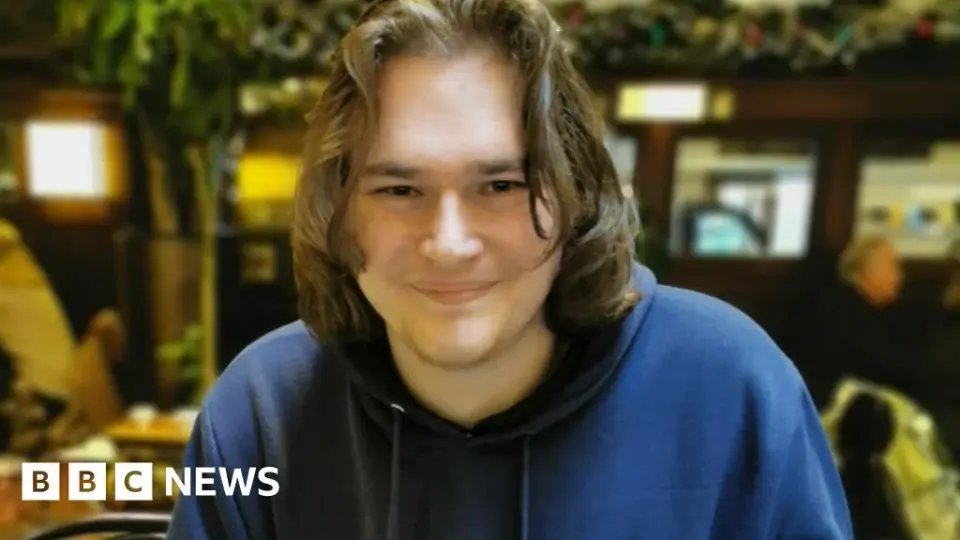
An inquest heard that James Snowden, a 21-year-old rugby player and strongman, died in December 2024 after his anti-psychotic medication was withdrawn. His mother testified that he had struggled with suicidal thoughts since childhood and that the drug had helped him live a full life. Snowden was under the care of Greater Manchester Mental Health NHS Foundation Trust at the time of his death.
Key points
- James Snowden, 21, was found dead at his family home in Altrincham in December 2024.
- He was prescribed sulpiride in 2021, which his mother said helped manage his condition.
- An appointment on 26 November 2024 planned for the gradual withdrawal of the medication.
- Snowden had a history of suicidal attempts starting at age 11 and was in care of CAMHS before adult services.
- He was a member of Broughton Park FC, Sale FC Rugby Clubs, and St Lawrence's Gaelic Football Club.
- In 2019, he became the second youngest person to lift the Dinnie Stones in Aberdeenshire.
Background
This case highlights ongoing concerns regarding the management of mental health care and medication withdrawal for individuals with complex histories. Previous coverage in our archive has touched on the term 'gentle giant' in a biological context, but here it refers to Snowden's personal character as described by his family. The inquest focuses on the transition from child to adult mental health services and the impact of medication changes on vulnerable patients.
Why it matters
The inquest scrutinizes the decision-making process behind medication withdrawal for a young man with a long history of mental health struggles. It raises questions about the communication between patients, families, and healthcare providers, particularly when trust breaks down. The case underscores the potential risks associated with discontinuing anti-psychotic drugs and the importance of careful monitoring during such transitions.
What to watch
The inquest is expected to continue with further evidence from Greater Manchester Mental Health NHS Foundation Trust. The outcome may influence discussions on best practices for medication management and patient care coordination in the NHS.
Want the full story? Read the original reporting
Read on BBC