Tag

Health And Law

All articles tagged with #health and law

Former Hospital Boss Cites 'Complacency' After Letby Inquiry Blames Systemic Failures
health-and-law2 months ago

Former Hospital Boss Cites 'Complacency' After Letby Inquiry Blames Systemic Failures

The former chief executive of the Countess of Chester Hospital, Dr. Susan Gilby, expressed astonishment at the 'complacency' she observed among staff weeks after nurse Lucy Letby’s arrest. This reaction aligns with the recent Thirlwall Inquiry, which concluded that institutional failures and a lack of safeguarding procedures allowed some infant deaths to occur. While Gilby identified these issues early, the inquiry found that hospital executives delayed police involvement, leading to a 'complete failure' to protect babies. The findings have intensified scrutiny of NHS culture and the ongoing review of Letby’s convictions by the Criminal Cases Review Commission.


UK nurse struck off after telling dementia patient to skip birthday cake
health-and-law2 months ago

UK nurse struck off after telling dementia patient to skip birthday cake

A registered nurse in the UK has been removed from the professional register after a misconduct panel found eight allegations against her. The tribunal ruled that her dismissive attitude and lack of remorse toward residents at a care home in Chepstow posed a risk to public confidence, necessitating her removal from the profession.

Clancy trial highlights urgent need for postpartum psychosis classification
health-and-law3 months ago

Clancy trial highlights urgent need for postpartum psychosis classification

The Lindsay Clancy murder trial in Massachusetts has intensified national debate over postpartum psychosis, a rare but severe mental illness. While Clancy’s defense argues she was incapacitated by the condition when she killed her three children in January 2023, experts emphasize that the illness remains unclassified in the DSM-5, hindering research, treatment, and awareness. The trial has prompted calls for systemic changes to maternal mental health care.

Inquest examines withdrawal of medication for 21-year-old strongman James Snowden
health-and-law3 months ago

Inquest examines withdrawal of medication for 21-year-old strongman James Snowden

An inquest heard that James Snowden, a 21-year-old rugby player and strongman, died in December 2024 after his anti-psychotic medication was withdrawn. His mother testified that he had struggled with suicidal thoughts since childhood and that the drug had helped him live a full life. Snowden was under the care of Greater Manchester Mental Health NHS Foundation Trust at the time of his death.

Baby with heart defect born in Dallas as Texas AG backs surrogate against California parents
health-and-law3 months ago

Baby with heart defect born in Dallas as Texas AG backs surrogate against California parents

A baby boy with a severe congenital heart defect was born in Dallas on Wednesday, resolving a multi-state legal battle between an Alaskan surrogate and California intended parents. The child is receiving medical care under court order, while the surrogate has been barred from making medical decisions.

Texas AG Paxton Secures Emergency Order to Treat Unborn Baby with Severe Heart Defect
health-and-law3 months ago

Texas AG Paxton Secures Emergency Order to Treat Unborn Baby with Severe Heart Defect

Texas Attorney General Ken Paxton has intervened in a Dallas County case to ensure an unborn child with a severe heart defect receives life-saving treatment. The surrogate, McKenna West, traveled to Texas after the intended parents refused consent for surgery. Paxton secured an emergency court order preventing the child's removal from the state and mandating medical care at local hospitals.

"Supreme Court Case Puts Spotlight on Pregnant People's Rights and Access to Emergency Abortions"
health-and-law2 years ago

"Supreme Court Case Puts Spotlight on Pregnant People's Rights and Access to Emergency Abortions"

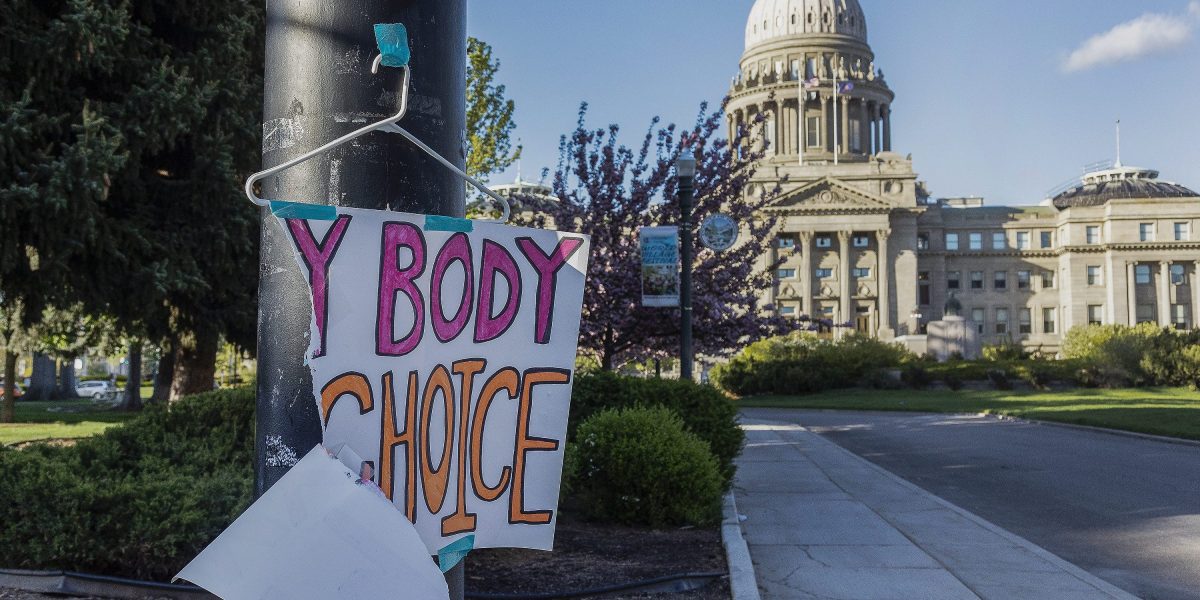
Idaho is arguing before the Supreme Court that abortion is not protected under the Emergency Medical Treatment and Active Labor Act (EMTALA), claiming that the federal government is interfering with the state's ability to ban the procedure. If the court were to accept Idaho's argument, it could nullify the safety-net law meant to eliminate discrimination in emergency medical care, singling out pregnant people as a separate and unequal class of patients. The case has significant implications for the rights of pregnant individuals and the obligations of healthcare providers in emergency situations.

"Supreme Court's Review of Mifepristone Suit: The Far Right's Influence on Abortion Access"
health-and-law2 years ago

"Supreme Court's Review of Mifepristone Suit: The Far Right's Influence on Abortion Access"

A pharmacy professor's email complaint led to the retraction of three anti-abortion research papers, highlighting the use of poor-quality evidence by right-wing groups to influence abortion litigation and legislation. The upcoming US Supreme Court case, FDA v AHM, could reshape abortion access and the FDA's authority, with potential implications for other controversial drugs. The anti-abortion movement invests in research to produce evidence for litigation and legislation, often using fringe publications and academic journals. Despite efforts to challenge poor-quality evidence, the battle remains difficult, as journals can be reluctant to correct the scientific record.

"Alabama Enacts IVF Immunity Law to Protect Patients and Providers"
health-and-law2 years ago

"Alabama Enacts IVF Immunity Law to Protect Patients and Providers"

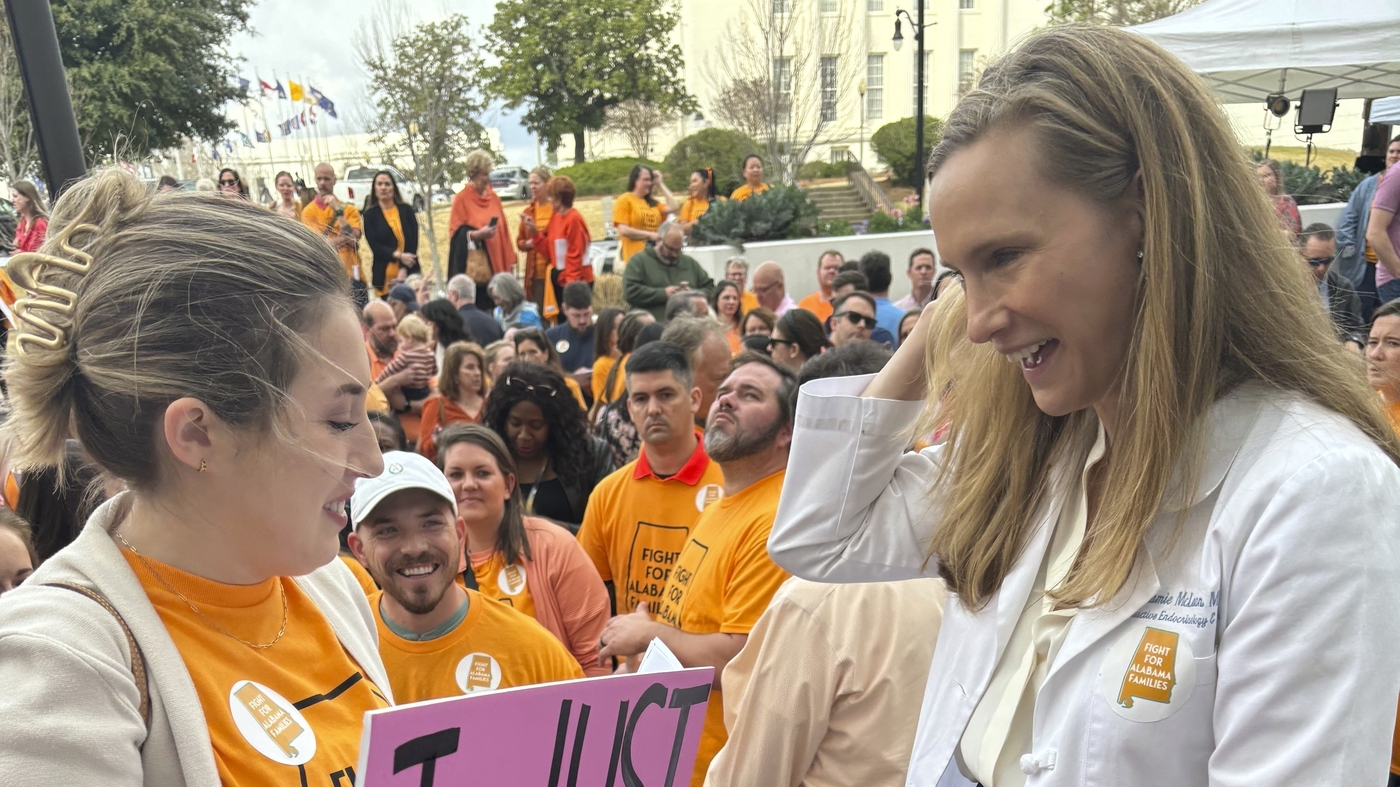
Alabama lawmakers passed a bill granting civil and criminal immunity for IVF service providers and receivers, allowing clinics to restart treatments without fear of legal repercussions after a state court ruling threw the procedure into uncertain legal territory. The legislation is a temporary measure to address the immediate concerns, but leaves many unanswered questions regarding embryonic personhood and related legal issues. Public pressure and outrage over the court ruling prompted swift action from lawmakers, with the bill's sponsors acknowledging the need for a long-term fix.

"Alabama Legislature's Battle Over IVF Protection"
health-and-law2 years ago

"Alabama Legislature's Battle Over IVF Protection"

The Alabama House and Senate have passed bills aimed at protecting in vitro fertilization (IVF) treatments following a state Supreme Court ruling that classified frozen embryos as children. The bills, sponsored by Rep. Terri Collins and Sen. Tim Melson, seek to provide civil and criminal immunity to those involved in IVF services and are intended to prompt IVF clinics to reopen. The ruling has caused concern among patients, healthcare providers, and reproductive rights advocates, and the legislation is now awaiting approval from Republican Gov. Kay Ivey.

"Alabama Supreme Court Ruling Sparks Political Battle Over IVF Rights"
health-and-law2 years ago

"Alabama Supreme Court Ruling Sparks Political Battle Over IVF Rights"

A majority of Americans oppose the idea of in vitro fertilization (IVF) embryos being considered children, following an Alabama ruling that sparked concerns about legal issues for discarding embryos. The ruling has led to fertility clinics halting treatments, affecting individuals like Liz Goldman, who needs IVF for a second child due to medical reasons. While some argue for more regulation in the reproductive industry, others worry about the impact on those dealing with infertility. Federal and state lawmakers are now proposing legislation to protect IVF services, while some leaders advocate for measures to safeguard frozen embryos from malpractice.

"Alabama Supreme Court's Ruling on Frozen Embryos Sparks Controversy and Concern"
health-and-law2 years ago

"Alabama Supreme Court's Ruling on Frozen Embryos Sparks Controversy and Concern"

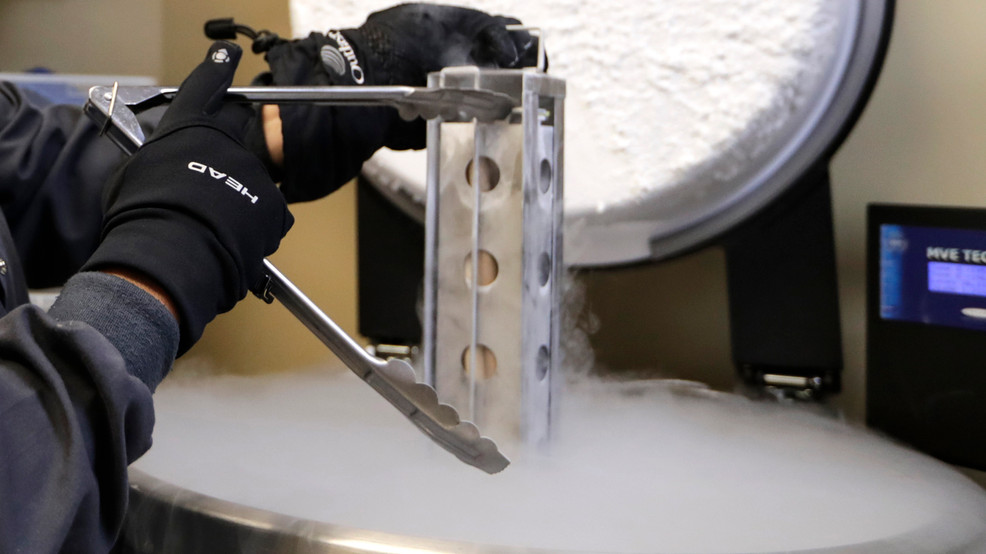
The Alabama Supreme Court's ruling that frozen embryos are legally children has thrown the future of over a million frozen eggs and embryos in the state into chaos, leading to clinics shutting down services and patients scrambling to ship their embryos elsewhere. The ruling has complicated options for families, with some lawmakers working to safeguard IVF while clinics have paused certain operations. The unprecedented decision raises questions about long-term storage, civil liability for fertility specialists, and the rights of embryo owners, leaving many individuals deeply frustrated and concerned about the future of their frozen embryos.

"Alabama Hospital Halts IVF Program Following Court Ruling on Frozen Embryos"
health-and-law2 years ago

"Alabama Hospital Halts IVF Program Following Court Ruling on Frozen Embryos"

The Alabama Supreme Court's ruling that frozen embryos are considered children has led the state's largest hospital to pause its IVF services over fears of criminal prosecution. The decision has raised concerns about the legality of certain aspects of IVF and could impact fertility treatments in Alabama and beyond. The ruling ties into the US abortion debate and may influence legislation and lawsuits in other states, potentially affecting US politics as well.

"Oregon's Ongoing Battle: Addressing the Drug Crisis in Portland"
health-and-law2 years ago

"Oregon's Ongoing Battle: Addressing the Drug Crisis in Portland"

Three years after decriminalizing drug possession and use in Oregon, concerns are rising over the effectiveness of the approach as fatal overdoses tripled in the state. While the decriminalization aimed to treat drug users as individuals in need of help, the lack of a robust public health system and the fentanyl epidemic have led to criticism and calls for potential reversal. Health professionals argue that the decriminalization was not effectively implemented due to a lack of infrastructure and services for addicts, despite significant funds being allocated. The debate continues over the best approach to address drug addiction and the opioid crisis in Oregon.

California Takes Stand Against Controversial 'Excited Delirium' Diagnosis
health-and-law3 years ago

California Takes Stand Against Controversial 'Excited Delirium' Diagnosis

California has become the first state to ban the controversial diagnosis of "excited delirium," which has been used to justify deaths in police custody. The new law prohibits medical professionals from attributing deaths to excited delirium on death certificates or autopsy reports, and law enforcement is barred from using the term in incident reports or civil court testimony. The diagnosis has been criticized for disproportionately being applied to Black men and lacking scientific validity. Several national medical associations have already discredited excited delirium, and California's move is seen as a significant step towards holding police accountable for excessive force.