
Stanford Study Reveals Older Adults Face Fatal Heat Risks at Much Lower Temperatures Than Younger People
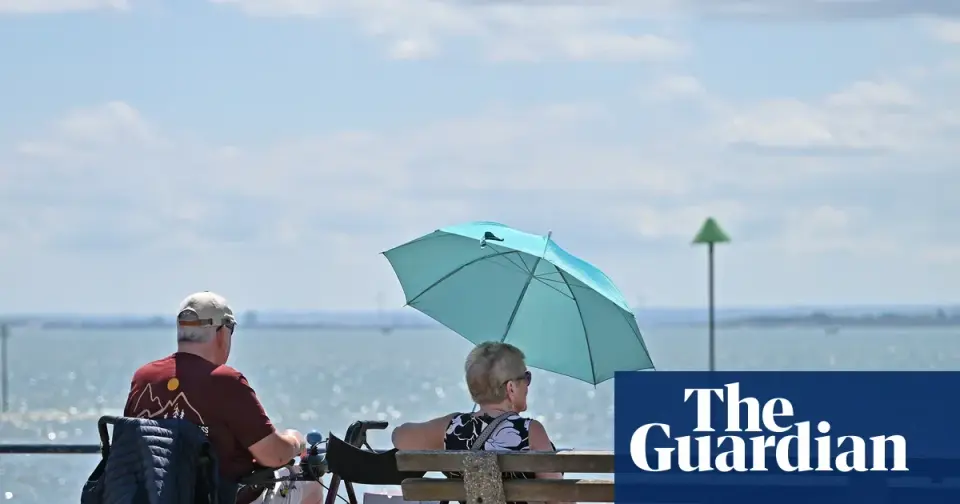
A new study in The Lancet Planetary Health finds that people over 60 face life-threatening heat stress at temperatures 4.7 to 7.5 degrees Celsius lower than younger adults. As global warming accelerates and the population of older adults doubles by 2050, experts warn that heat-related mortality will rise significantly, particularly in tropical regions and low-income countries.
Key points
- Research led by Stanford University indicates that previous heat risk models underestimated danger for older adults by applying young adult thresholds to all age groups.
- At 1.5 degrees of global warming, 22% of people over 60 (approx. 290 million) will experience unsafe heat for at least one month annually, a risk young adults face only at 4 degrees of warming.
- The UK Health Security Agency warns that 2026 could record the highest number of heat-related deaths in British history, with 2,877 excess deaths already recorded in May and June.
- Experts emphasize that older adults are more vulnerable due to reduced sweating, inefficient heart function, and slower thirst mechanisms, leading to rapid dehydration and organ strain.
- Healthcare facilities in the US and Australia are urging families to monitor seniors for signs of heat exhaustion, such as fast pulses and confusion, and to ensure hydration and cooling access.
Background
This development follows recent coverage of extreme heat domes in the central US and warnings about solar storm impacts, highlighting a broader trend of increasing extreme weather events. The current study builds on earlier concerns about heat-related mortality, providing specific data on age-stratified vulnerability that was previously overlooked in global climate models.
How outlets are covering it
The Guardian and ABC News both highlight the Stanford-led study's finding that older adults face uncompensable heat stress at significantly lower temperatures than younger people, with ABC noting the specific 4.7-7.5 degree difference. The Guardian emphasizes the UK's recent heat-related death toll, while ABC focuses on Australia's unpreparedness for extreme heat in regions like the Top End. WLBT provides a practical, local perspective from Mississippi, citing CDC data that 4 in 10 seniors suffer heat-related illnesses and urging caregivers to monitor for dehydration and confusion. All sources agree on the increased vulnerability of older adults but differ in their focus: The Guardian and ABC emphasize global and national policy implications, while WLBT focuses on immediate caregiver actions and healthcare facility responses.
Why it matters
As the global population of people over 60 is projected to double to 2.1 billion by 2050, the health burden of heatwaves will intensify, particularly in low- and middle-income countries. This study underscores the need for age-specific heat action plans, improved healthcare resourcing, and individual precautions to prevent heat-related deaths and organ damage in an aging world.
What to watch
Health authorities and researchers are calling for the development of age- and region-specific heat emergency plans. In the UK, the Health Security Agency is monitoring 2026 heat deaths, while in Australia, experts urge better training and resourcing for healthcare staff during heatwaves. Individuals are advised to stay hydrated, wear lightweight clothing, and monitor seniors for early signs of heat exhaustion.
- Extreme heat more dangerous for people 60 and over than previously thought The Guardian
- Elderly far more at risk from rising heat than thought: study Yahoo
- 'Wake-up call': Danger from heatwaves 'underestimated' for people over 60 abc.net.au
- Health-care facilities promote ways to protect seniors during dangerous heat waves WLBT
- Over 80% of India’s elderly could face dangerous heat levels at 3°C global warming, says Lancet study The Indian Express
Want the full story? Read the original reporting
Read on The Guardian