
Sydney Mother Confirms Twins Are Identical After DNA Test Defies Ultrasound Findings
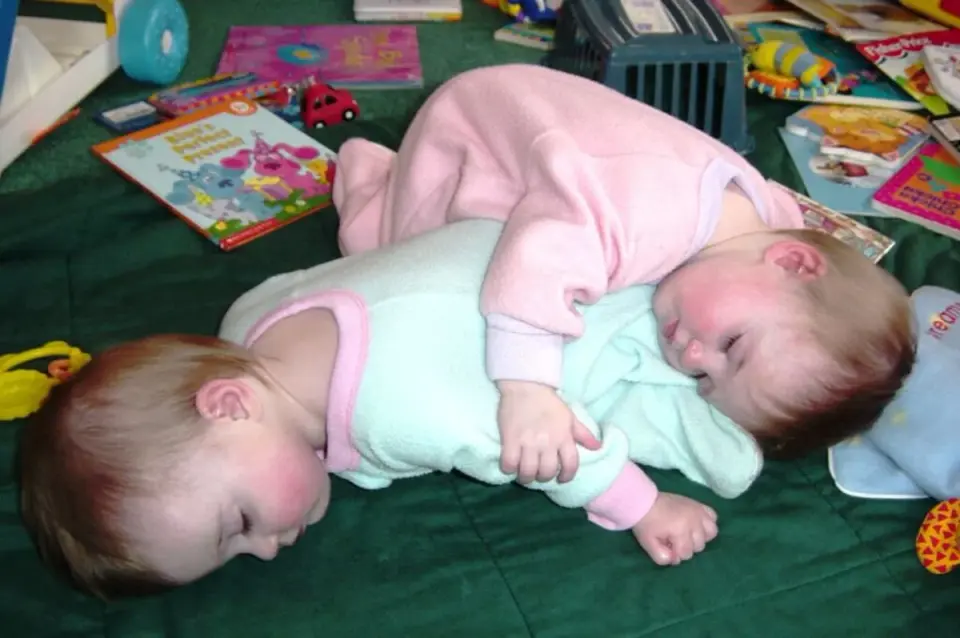
Rebecca Michels, a 37-year-old mother in Sydney, initially believed her twin daughters Capri and Kenzie were fraternal based on prenatal ultrasound results showing separate sacs and placentas. However, nurses suggested a DNA test after birth due to the girls' striking physical resemblance. The test, conducted in July 2025, confirmed they are identical with a probability of 99.999999994 percent, or 16 billion to one odds. This case highlights that separate placentas do not rule out identical twins, as approximately one-third of monozygotic pairs develop this way. Michels described the result as a resolution to long-standing uncertainty, noting that accurate zygosity knowledge is crucial for health and family planning.
Key points
- Capri and Kenzie Michels were born on May 28, 2025, approximately 30 seconds apart in Sydney.
- Prenatal ultrasounds indicated separate sacs and placentas, leading the family to assume the twins were fraternal.
- Nurses recommended a DNA test four days after birth due to the girls' similar appearance.
- The DNA test, completed in July 2025, showed a 99.999999994 percent probability that the twins are identical.
- Medical experts note that about one-third of identical twins have separate placentas, making ultrasound an unreliable indicator of zygosity.
- Rebecca Michels, who also has a 10-year-old son named Braxton, stated the result provided peace of mind and clarified family health risks.
Background
This story follows broader discussions on the importance of accurate zygosity testing for twins. While not directly related to the recent coverage of DNA evidence in cold cases or celebrity family dynamics, it aligns with general interest in genetic testing and medical accuracy. The National Center for Health Statistics reported that the U.S. twin birth rate declined from 33.9 to 30.1 per 1,000 births between 2014 and 2024, underscoring the significance of precise genetic identification for the remaining twin births.
Why it matters
This case illustrates a common medical misconception: that separate placentas and sacs definitively indicate fraternal twins. For parents, accurate zygosity determination is vital for assessing disease risks, understanding tissue compatibility for potential organ transplants, and managing legal or educational matters. The incident underscores the limitations of prenatal imaging and the necessity of postnatal DNA testing for same-sex twins to ensure correct medical and personal records.
What to watch
There are no immediate follow-up developments expected for the Michels family, as the DNA test has resolved the question of zygosity. The broader implication is a continued push for healthcare providers to educate parents that ultrasound findings regarding placentas are not definitive for zygosity, encouraging DNA testing when physical resemblance is high. No further legal or medical actions are reported for this specific case.
Want the full story? Read the original reporting
Read on AOL.com