
England launches world’s largest pediatric early warning system in A&Es
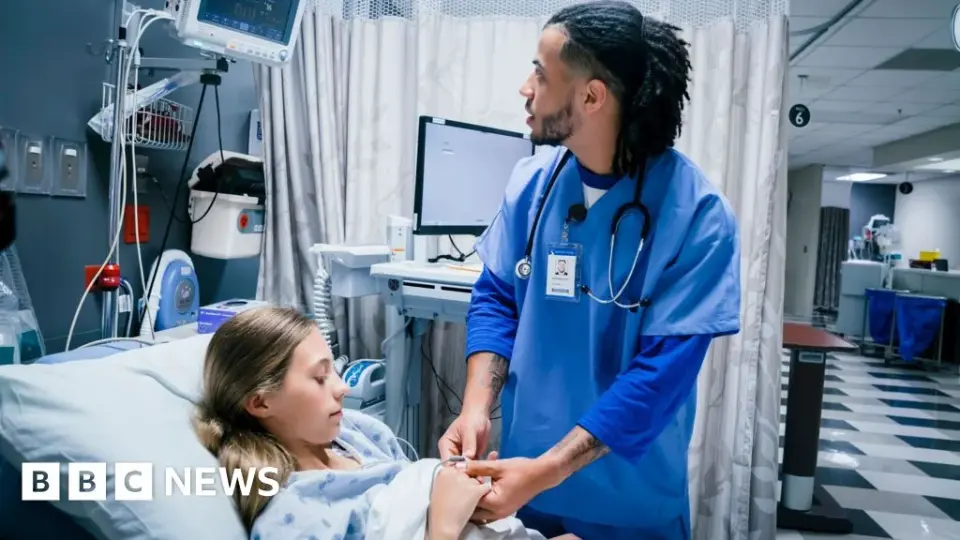
NHS England is rolling out the National Paediatric Early Warning System (PEWS) in all A&E departments this winter. The standardized tool uses vital sign scoring to flag deteriorating children, aiming to prevent deaths caused by delayed care. It complements existing adult systems and mandates that staff concerns trigger immediate escalation, regardless of scores.
Key points
- The National Paediatric Early Warning System (PEWS) is being introduced in emergency departments across England to identify children whose conditions are deteriorating rapidly.
- The system requires staff to measure, log, and grade vital signs such as blood pressure, heart rate, breathing rate, oxygen levels, and consciousness.
- A high score indicates a child needs urgent attention, but concerns from parents, carers, or staff can trigger immediate escalation even if the score is low.
- This is the first time PEWS will be used in A&Es; it was previously used in over 90 hospitals for inpatient wards, where it correlated with lower cardiac arrest rates.
- The rollout is designed to address 'corridor care' and improve safety ahead of winter, when NHS pressure is highest.
Background
This initiative follows the death of two-year-old Finlay Roberts in 2024, who died after waiting in a hospital corridor. Health Secretary Yvette Cooper apologized on his behalf, vowing to end corridor care for children. The move also aligns with the expansion of Martha’s Rule, which allows patients and families to request rapid reviews if they fear a patient’s condition is worsening. Previously, similar early warning systems for adults, particularly for sepsis, were already in use across NHS wards.
How outlets are covering it
BBC, The Guardian, and LBC all report on the launch of PEWS in A&Es, emphasizing its role in standardizing care and saving lives. The Guardian and LBC highlight that the system will be the world’s largest standardized scoring system for children. All sources note that PEWS does not replace professional judgment or parental input. The Guardian and LBC quote Dr. Mike McKean of the Royal College of Paediatrics and Child Health, who praised the initiative for improving equity and patient safety. Prof. Lynn Woolsey of the Royal College of Nursing stressed the need for sufficient nursing staff and training to implement the system effectively. BBC specifically references the case of Finlay Roberts and the apology from Health Secretary Yvette Cooper, linking the new system to the promise to eliminate corridor care. UA.News provides a concise summary of the vital signs assessed and the scale of the rollout, noting that over 6 million children attend A&Es in England annually.
Why it matters
The introduction of PEWS in A&Es aims to reduce preventable deaths among children by ensuring rapid identification of deterioration. It addresses systemic issues like overcrowding and delayed care, which have led to tragic outcomes in the past. By standardizing assessments and empowering families to voice concerns, the system seeks to improve patient safety and trust in the NHS. The rollout also highlights the ongoing challenges of staffing and resource allocation in emergency departments, particularly during peak winter periods.
What to watch
NHS England is drawing up urgent new standards for treating children in A&Es, with a priority on eliminating corridor care. The success of PEWS will depend on adequate staffing, training, and resources. The system’s effectiveness will be monitored, and its impact on patient outcomes, such as cardiac arrest rates, will be evaluated. Further expansion of Martha’s Rule to all A&Es is also planned, ensuring that families can request rapid reviews if they are concerned about a patient’s condition.
- A&E warning system to flag sick children deteriorating quickly BBC
- World’s largest early warning system for severe child illness to launch in NHS A&Es across England The Guardian
- England to introduce PEWS system to detect deterioration in children — The Guardian UA.NEWS
- NHS A&Es roll out 'early warning system' to spot detereotating children's health earlier LBC
Want the full story? Read the original reporting
Read on BBC