
US and Israel prepare for post-midterm Iran strikes, but deep underground targets and stalled talks complicate the plan
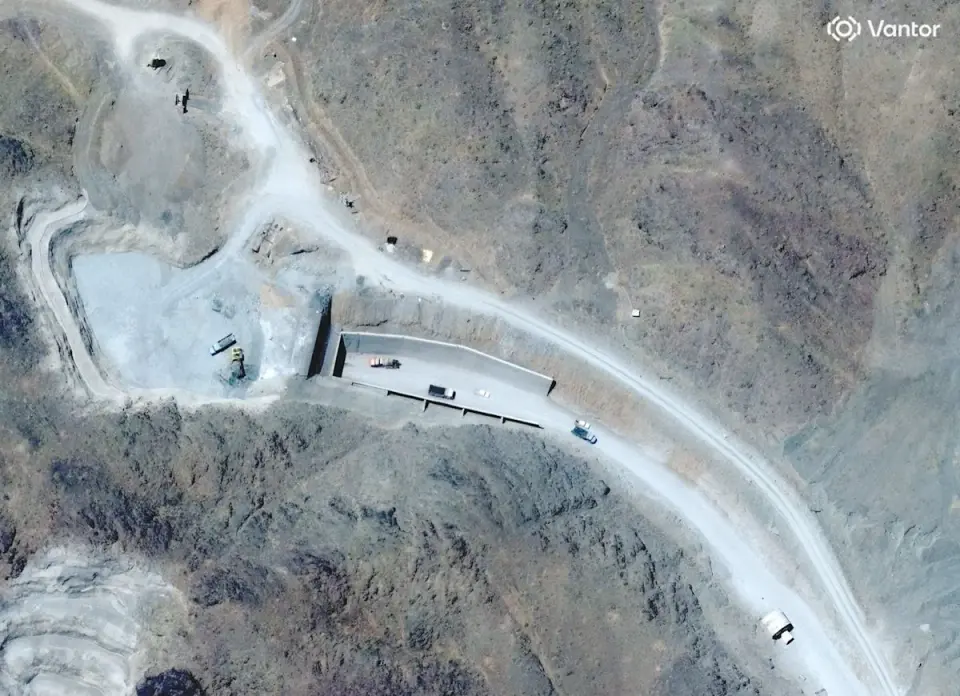
The US and Israel have finalized a plan for a potential third war against Iran, likely to commence after the November 3 US midterm elections. The strategy involves a massive air campaign to establish supremacy, followed by drone operations, with specific focus on the deeply buried 'Pickaxe Mountain' nuclear facility. However, diplomatic efforts in Doha have stalled as Iran rejects negotiations, demanding the lifting of sanctions and the reopening of the Strait of Hormuz. While Trump seeks a brief, 'clean' three-day operation, Israeli officials argue that only a sustained campaign or ground invasion can neutralize Iran's dispersed missile capabilities and deep underground assets.
Key points
- US and Israeli forces have rehearsed strikes by flying through Syria and Iraq to the Iranian border, planning to divide targets into sectors: Israel focusing on the west and Tehran, the US on the south.
- The primary strategic challenge is the 'Pickaxe Mountain' nuclear facility, which is deeper underground than the Fordow facility. Experts doubt that even 30,000-pound US bunker-buster bombs can destroy it, suggesting the goal is to cause cave-ins to prevent nuclear material from being moved there.
- Iran has adapted its missile strategy by dispersing crews across the country and firing smaller, frequent barrages, which disrupts Israeli air defenses and allows Iran to maintain pressure despite losing air supremacy.
- Diplomatic talks in Doha have failed as Iran rejects US proposals, demanding the lifting of the naval blockade, release of frozen funds, and control over the Strait of Hormuz before engaging in nuclear negotiations.
- Trump desires a rapid three-day operation, but Israeli leaders, including former defense minister Yoav Gallant, argue that airstrikes alone cannot neutralize deep underground uranium, potentially requiring a ground operation.
Background
This potential conflict follows two previous rounds of strikes in 2025 and early 2026, which caused significant damage but failed to eliminate Iran's nuclear or missile capabilities. Recent US intelligence indicates that Iran and Houthi rebels are prepared for immediate retaliation, and regional allies like Saudi Arabia and Egypt have warned that a new war would be more destructive. The current diplomatic impasse stems from a breakdown in trust, with Iran accusing the US of negotiating in bad faith while preparing for military action.
How outlets are covering it
The Jerusalem Post and Yahoo News emphasize the technical difficulties of destroying deep underground facilities like Pickaxe Mountain and the strategic shift in Iranian missile tactics. They highlight the uncertainty regarding whether a short US operation can achieve lasting results. In contrast, Iran International focuses on the diplomatic deadlock, noting that Iranian officials have rejected negotiations and are preparing for a wider war without geographic limits. JNS.org frames the situation through the lens of Israeli domestic politics, arguing that Netanyahu's push for action is driven by realism regarding existential threats, rather than fear-mongering, and that a change in Israeli leadership might not alter the approach to Iran. There is a clear divergence between the US desire for a quick resolution and the Israeli assessment that a longer, more sustained effort is required to neutralize Iran's capabilities.
Why it matters
A third war could escalate into a regional conflict involving US bases, the Strait of Hormuz, and critical infrastructure. The failure to destroy deep underground nuclear facilities could allow Iran to continue its program, while a prolonged conflict could destabilize the Middle East and impact global energy markets. The outcome of the US midterms may also influence the duration and intensity of any military action.
What to watch
Watch for the outcome of the November 3 US midterm elections, which may trigger a US decision to authorize strikes. Monitor diplomatic channels in Doha for any breakthrough in negotiations, though current indicators suggest a stalemate. Observe Iranian military preparations, including the expansion of target lists and potential attacks on US assets or shipping lanes.
- Israel, US have a plan ready for third Iran war, but Tehran's hidden weapons pose major challenges Yahoo
- US, Israeli targets, timelines, priorities for a potential third Iran war The Jerusalem Post
- Netanyahu pressing Trump to strike Iran immediately after midterms - Axios Iran International
- Netanyahu Pushed for Attack on Iran Ahead of Israeli Election, Officials Say The New York Times
- Netanyahu is a realist about Israel’s foes, not a fear-monger JNS.org
Want the full story? Read the original reporting
Read on Yahoo