
Ombudsman report reveals systemic failures in NHS wheelchair provision, with waits reaching two years
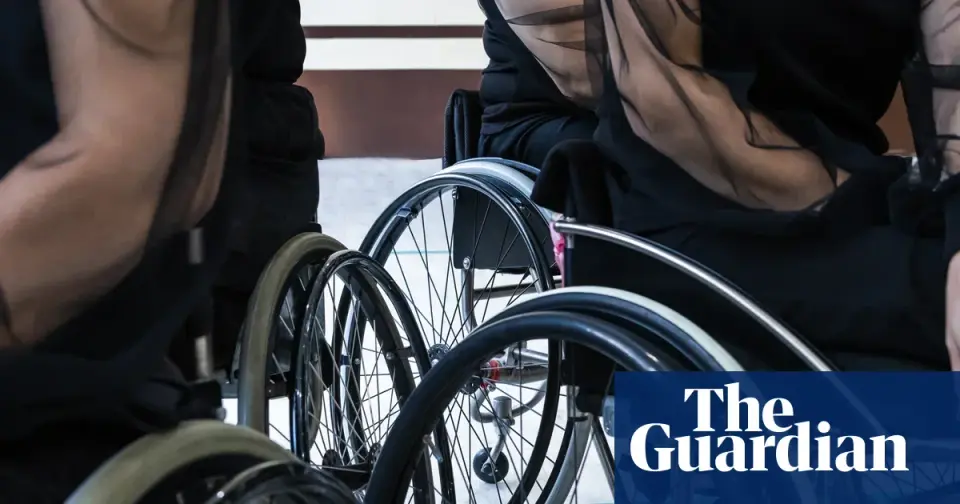
A new report by the Parliamentary and Health Service Ombudsman reveals that disabled people in England are facing waits of up to two years for wheelchairs due to poor commissioning and a lack of oversight. Complaints have surged from eight in 2020-21 to 110 in 2025-26, with most targeting private providers. The report highlights severe impacts on independence, citing cases where children missed education and adults lost mobility. Recommendations include better data collection and national oversight to address regulatory gaps.
Key points
- Complaints to the ombudsman regarding wheelchair services increased from eight in 2020-21 to 110 in 2025-26.
- Over 80% of complaints involve private providers, with AJM Healthcare being the most frequently cited firm.
- The 18-week target for receiving equipment is frequently missed, with some patients waiting over two years.
- Elliot Cruz Gardiyanoglu, a boy with cerebral palsy, waited seven months for a wheelchair, missing nursery and suffering injuries from an adapted buggy.
- Graham Woolner, a man with spinal muscular atrophy, waited 26 months for a fully functional wheelchair after his first replacement failed immediately.
- The ombudsman identified a regulatory gap, as the Care Quality Commission does not oversee wheelchair services provided by non-health professionals.
Background
This issue follows broader concerns about NHS service delays and regulatory failures, such as the recent referral of ten mental health trusts to the Care Quality Commission over consent failures. While previous archive items focused on AI in dermatology and pediatric early warning systems, this report highlights a long-standing gap in oversight for assistive equipment, where private providers operate without direct CQC supervision.
How outlets are covering it
The Guardian and the Ombudsman report emphasize the profound personal consequences of delays, such as physical injury and loss of independence. The BBC highlights the specific cases of Elliot and Graham, focusing on the emotional toll and lack of communication from the NHS. The Ombudsman report provides a systemic analysis, pointing to regulatory gaps and the dominance of private firms like AJM Healthcare. While the NHS acknowledges the delays are unacceptable and cites a quality framework, the ombudsman argues that current oversight is insufficient, noting that AJM Healthcare has since changed management and accepted recommendations to improve services. The Wheelchair Alliance supports the report, calling for lasting improvements and greater involvement of wheelchair users in service design.
Why it matters
The report underscores a critical failure in the NHS's ability to provide essential equipment, affecting the independence and quality of life for thousands of disabled people. It highlights the need for better regulation and oversight of private providers in the healthcare system, ensuring that vulnerable groups are not left without vital support for extended periods.
What to watch
The government and NHS England are expected to respond to the ombudsman's recommendations, which include collecting reliable data on wheelchair users and establishing stronger national oversight. AJM Healthcare has already begun implementing changes, such as better managing waiting lists and improving communication with patients. The NHS has stated that it will carefully consider the findings and aims to ensure 92% of people receive equipment within 18 weeks through its quality framework.
- Disabled people in England ‘have to wait up to two years for wheelchairs’ The Guardian
- Ombudsman highlights boy's long wheelchair wait BBC
- National action needed to improve safety and independence of wheelchair users the Parliamentary and Health Service Ombudsman
- ICBs take action against top wheelchair provider HSJ | Health Service Journal
- NHS wheelchair delays leaving patients injured or trapped at home The Times
Want the full story? Read the original reporting
Read on The Guardian