
Victorian tabloids turned unsolved East End murders into a fictional mythology
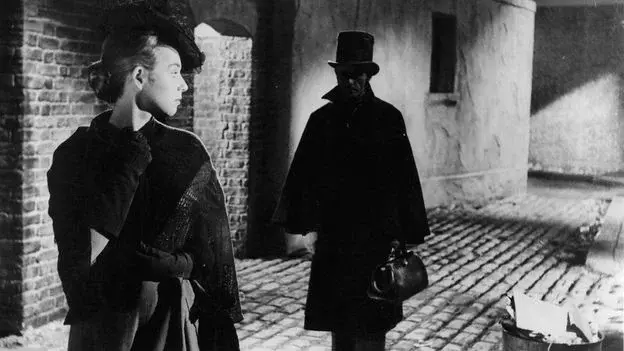
The unsolved 1888 murders in London's East End were transformed into a cultural legend by sensationalist press coverage, particularly from the Pall Mall Gazette. Editor WT Stead used the crimes to campaign against vice and attack police commissioner Sir Charles Warren, while linking the killer to aristocrats, doctors, or immigrants. This media-driven narrative, intertwined with contemporary fiction like Dr Jekyll and Mr Hyde, created enduring myths that obscured the true identity of the killer and influenced police investigations, which later named suspects based on these press-driven archetypes rather than concrete evidence.
Key points
- Five women were murdered in London's East End in 1888, but the killer was never identified, leaving the case unsolved.
- The Pall Mall Gazette, under editor WT Stead, pioneered sensationalist tabloid journalism, using the murders to highlight social reform issues and criticize police commissioner Sir Charles Warren.
- Press speculation linked the killer to decadent aristocrats, doctors, or immigrant communities, reflecting contemporary social anxieties about prostitution and class.
- The timing of the murders coincided with the London premiere of Dr Jekyll and Mr Hyde, leading to a cultural conflation between the fictional character and the real killer.
- A 1894 police memo named three suspects—Montague Druitt, Aaron Kosminski, and Michael Ostrog—but historians argue these choices reflected media myths rather than solid investigative evidence.
- The tabloid narrative created a 'morality play' that resonated with the public, influencing police investigations and perpetuating the Ripper legend for over a century.
Background
This story revisits the 1888 Jack the Ripper murders through the lens of media history, drawing on BBC archives from 1988. The focus is on how Victorian-era tabloid journalism, particularly the Pall Mall Gazette, shaped public perception and obscured the truth. The archive provides background on the cultural climate of the late 19th century, including the popularity of sensationalist fiction and the social issues surrounding prostitution and class. The BBC's 1988 investigation, Timewatch: Shadow of the Ripper, examined original police and Home Office files to assess whether the media's myth-making had hindered the identification of the killer. The story also references the broader cultural context of the era, including the works of Bram Stoker and Arthur Conan Doyle, which contributed to the 'febrile collective imagination' of the time.
Why it matters
The Jack the Ripper case remains a cultural touchstone, illustrating how media narratives can shape historical memory and obscure truth. The story highlights the power of tabloid journalism to create myths that persist for generations, influencing not only public perception but also official investigations. It underscores the importance of critically examining media coverage of high-profile cases, as sensationalism can lead to the perpetuation of false narratives and the misdirection of resources. The case also serves as a reminder of the social issues of the time, such as poverty, prostitution, and class division, which were exploited by the press for sensational effect. Understanding this dynamic is crucial for analyzing how media shapes public discourse and historical understanding, particularly in cases where the truth remains elusive.
What to watch
The BBC's 1988 investigation, Timewatch: Shadow of the Ripper, concluded that the media's myth-making had obscured the true identity of the killer. The story suggests that future investigations into the case should focus on the social and cultural context of the time, rather than the press-driven archetypes. The BBC's archive continues to provide insights into the cultural climate of the late 19th century, and the story may be revisited in future historical analyses. The case remains a subject of public fascination, and the media's role in shaping its narrative is likely to be a focus of future discussions.
Want the full story? Read the original reporting
Read on BBC