
Deportees describe violent flights and 'legal limbo' in Central African Republic
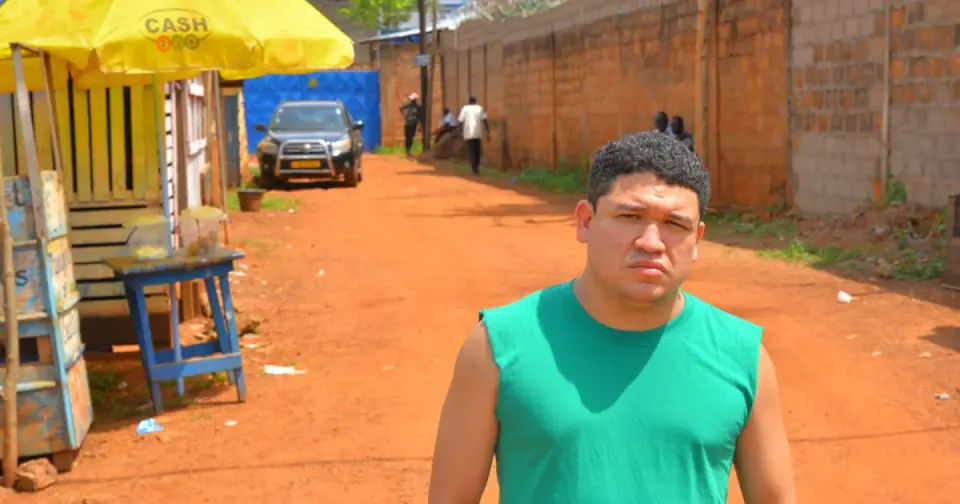
The Trump administration’s third-country deportation program has sent over 25,000 migrants to nations where they have no ties, including the Central African Republic. Recent accounts from deportees in Bangui describe violent enforcement tactics, including pepper-ball strikes and restraint suits, during flights. A federal appeals court recently paused the program, citing insufficient notice and opportunity to challenge removals, but the administration is seeking Supreme Court intervention. Deportees report living in detention centers with no legal status, facing crime, disease, and language barriers in a country plagued by civil war and instability.
Key points
- More than 25,000 people have been expelled under the third-country deportation program, which sends migrants to nations where they have no familial or legal ties.
- A federal appeals court ordered a pause on the program last week, ruling that the government failed to provide a 'meaningful opportunity' for migrants to challenge their deportations.
- The Trump administration, with Attorney General Todd Blanche, vowed to take the case to the Supreme Court, calling the program 'an entirely legal and invaluable tool.'
- Deportees in the Central African Republic report being held in detention centers, monitored by armed guards, and lacking identity documents or legal status.
- The Central African Republic is experiencing a cholera outbreak, water shortages, and rampant crime, with the U.S. government warning against travel due to unrest and terrorism.
Background
This development follows a series of earlier actions by the Trump administration to tighten immigration enforcement, including the suspension of Temporary Protected Status for Haiti and the replacement of legal-aid contracts for unaccompanied migrant children with military lawyers. In August 2026, CNN reported on Iranian activist Nika, who was deported to the Central African Republic despite asylum protections, highlighting a growing pattern of sending migrants to unsafe third countries. The current situation in Bangui reflects the broader consequences of these policies, with deportees facing severe humanitarian and legal challenges in a nation with ongoing civil conflict and weak governance.
How outlets are covering it
The Los Angeles Times emphasizes the violent tactics used by federal agents, such as firing pepper balls at resisting migrants and using restraint suits, and highlights the perils awaiting deportees in the Central African Republic, including crime and disease. NBC 6 South Florida focuses on the 'legal limbo' faced by deportees, noting their lack of legal status, identity documents, and clear path forward. Both outlets agree that the third-country deportation program has raised significant legal and humanitarian concerns, but the Los Angeles Times places greater emphasis on the physical violence and immediate dangers in the destination country, while NBC 6 South Florida highlights the ongoing legal battle and the migrants' struggles to navigate their uncertain status. The Los Angeles Times also notes the U.S. government’s warning against travel to the Central African Republic, underscoring the risks faced by deportees, whereas NBC 6 South Florida focuses on the migrants' daily hardships, such as malaria and language barriers.
Why it matters
The third-country deportation program has significant implications for the rights of asylum seekers and migrants, raising questions about the legality and humanity of the U.S. government’s enforcement tactics. The program’s expansion has led to the deportation of individuals with no ties to the destination countries, often placing them in unsafe and unstable environments. The legal challenges and Supreme Court intervention highlight the ongoing debate over the balance between immigration enforcement and the protection of vulnerable populations. The situation in the Central African Republic underscores the humanitarian consequences of these policies, with deportees facing severe risks and uncertainty in a country with ongoing civil conflict and weak governance.
What to watch
The Trump administration is expected to appeal the federal appeals court’s pause on the third-country deportation program to the Supreme Court. The outcome of this case will determine whether the program can continue, potentially affecting the fate of thousands of migrants. Deportees in the Central African Republic are likely to continue facing legal and humanitarian challenges, with some seeking asylum in other countries. The U.S. government’s response to the appeals court’s ruling and the Supreme Court’s decision will shape the future of the third-country deportation program and its impact on migrants and asylum seekers.
Want the full story? Read the original reporting
Read on Los Angeles Times