
ICC to Begin Trial of Rodrigo Duterte on Monday
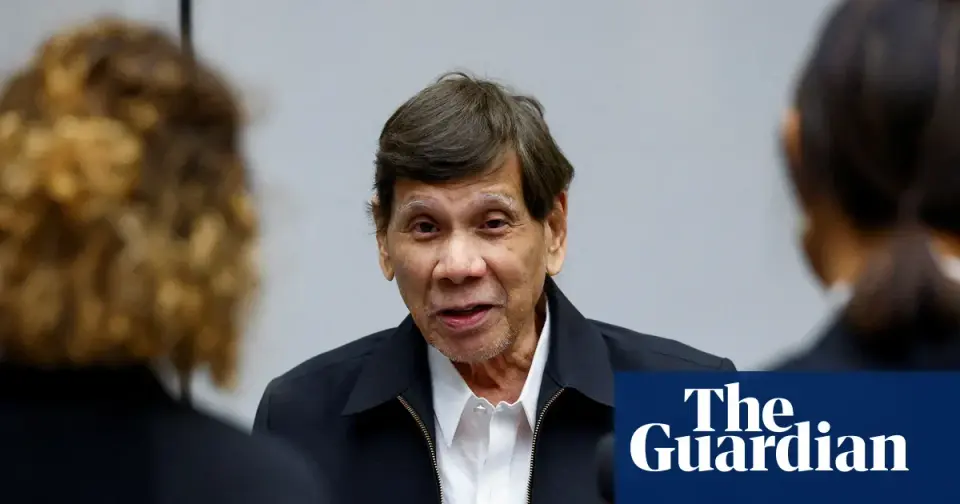
The International Criminal Court (ICC) is set to open the trial of former Philippine President Rodrigo Duterte on Monday, November 30, 2026. The 81-year-old faces charges of crimes against humanity for his anti-drug campaign, which prosecutors allege resulted in thousands of extrajudicial killings. The proceedings will begin with a plea hearing and opening statements, marking the first time an Asian leader is tried at the court. While victims' families seek accountability, Duterte's defense argues his violent rhetoric was cultural exaggeration and that his health prevents full participation. The trial opens amid significant pressure on the ICC from the US government and ongoing debates over national sovereignty in the Philippines.
Key points
- The trial is scheduled to begin on Monday, November 30, 2026, with four-hour daily sittings and an expected 100 witnesses.
- Duterte faces three counts of murder and attempted murder, covering alleged killings in Davao City during his mayoral period and nationwide operations during his presidency.
- Prosecutors allege the charges represent a sample of a much higher death toll, with estimates ranging from over 6,000 to 30,000 deaths.
- Duterte's defense argues his violent rhetoric was 'bugalbugal' (teasing) and that his cognitive impairment prevents him from fully participating in the trial.
- The trial opens amid US sanctions against the ICC and debates over national sovereignty in the Philippines, where Duterte remains popular despite the charges.
Background
Duterte was arrested in Manila in March 2025 and flown to The Hague, becoming the first former Philippine president detained on international human rights charges. The Philippines withdrew from the ICC in 2019, but the court retained jurisdiction over crimes committed before that date. The trial follows pre-trial hearings in February 2026, where judges ruled there were substantial grounds to believe Duterte was responsible for the alleged crimes. The ICC has faced unprecedented pressure from the US government, which has imposed sanctions on the court and its staff.
How outlets are covering it
The Guardian and AP News emphasize the trial's significance as a milestone for the ICC and a chance for victims' families to seek justice. BBC highlights the polarized political climate in the Philippines, where Duterte's supporters view the trial as a violation of national sovereignty, while victims' families see it as a chance for accountability. Yahoo focuses on the personal stories of victims' families, such as Llore Pasco, who traveled to The Hague to witness the trial. All sources agree on the trial's scheduled start date and the charges against Duterte, but differ in their emphasis on the political and social implications.
Why it matters
The trial is a major test of the ICC's ability to prosecute national political leaders for alleged crimes committed while in office. It comes at a time of unprecedented pressure on the court from the US government and ongoing debates over national sovereignty in the Philippines. The outcome could set a precedent for international justice and accountability for leaders who have faced similar allegations.
What to watch
The trial is expected to begin on Monday, November 30, 2026, with a plea hearing and opening statements. Prosecutors plan to call 70-100 witnesses, many of whom may testify with protective measures. The trial could take months or more than a year to complete, with evidentiary hearings scheduled for early 2027. If convicted, Duterte faces a maximum sentence of life imprisonment.
- Rodrigo Duterte’s ICC trial to begin with former Philippine president facing crimes against humanity charges The Guardian
- 'They just kept killing': Ex-president Duterte's murder trial re-opens memories of his violent drug war BBC
- Ex-Philippine President Duterte faces ICC trial over drug war killings as families seek justice AP News
- Filipino mother blaming Duterte crackdowns for sons’ deaths leaves to see trial in The Hague begin Yahoo
- Duterte's ICC trial: What is at stake for the Philippines? DW.com
Want the full story? Read the original reporting
Read on The Guardian