
Italian Court Convicts Three Egyptian Officials in 2016 Death of Researcher Giulio Regeni
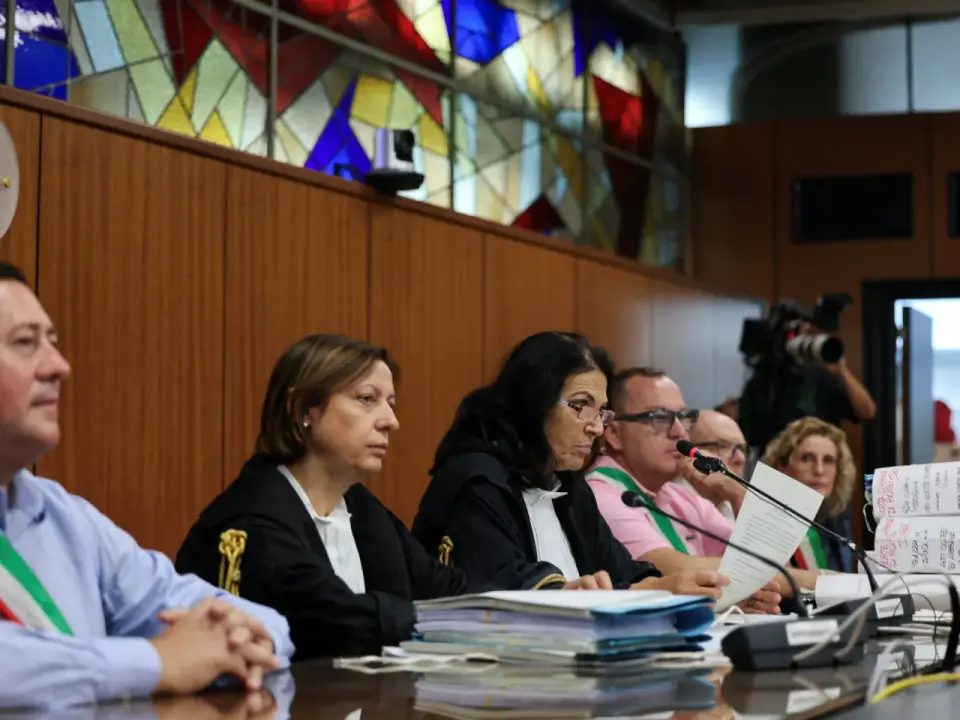
An Italian court convicted three Egyptian security officials on September 28, 2026, for the kidnapping of Italian-Cambridge postgraduate student Giulio Regeni, who was found dead in Cairo in January 2016. The defendants, tried in absentia, received 10-year prison sentences for aggravated kidnapping, while a fourth defendant was acquitted. Rome prosecutors noted that Egyptian authorities provided limited cooperation, and extradition is unlikely due to strained diplomatic relations. The case stems from Regeni’s research on trade unions in Egypt, which Italian investigators claim provoked his abduction and torture by state agents. Although Egypt has consistently denied involvement, claiming a criminal gang was responsible, Italian courts rejected earlier attempts to suspend the trial over jurisdictional concerns, asserting that Egyptian non-cooperation does not impede justice for crimes against Italian citizens abroad.
Key points
- Three Egyptian security officials were convicted in absentia and sentenced to 10 years in prison for aggravated kidnapping related to the 2016 death of Giulio Regeni.
- A fourth defendant, former head of state security Major General Tarek Sabir, was acquitted, while Major Magdi Sharif was cleared of conspiracy to commit aggravated murder.
- Regeni, a Cambridge University postgraduate researching trade unions in Cairo, was found dead in January 2016 with injuries indicating torture, including broken teeth and cigarette burns.
- Italian prosecutors stated that Egyptian authorities failed to cooperate fully, and extradition is unlikely due to deteriorating Italy-Egypt relations stemming from the case.
- An earlier trial suspended in 2021 was reinstated in 2023 after Italy’s top court ruled that Egyptian non-cooperation should not block proceedings against suspects who may not have been formally notified.
Background
This conviction concludes a decade-long legal process following the 2016 disappearance of Giulio Regeni, an Italian academic researcher in Cairo. Prior to this ruling, Italian and Egyptian prosecutors had jointly investigated the case before Egypt claimed a criminal gang was responsible, a narrative Italy rejected. The 2021 suspension of the trial was overturned in 2023, allowing proceedings to continue despite Egyptian non-cooperation. This case has long symbolized tensions between Italy and Egypt over human rights and judicial cooperation, with Regeni’s death sparking international protests and diplomatic friction. The current verdict marks the first formal conviction in the case, though enforcement remains uncertain due to the lack of extradition agreements and ongoing diplomatic disputes.
Why it matters
The conviction underscores Italy’s commitment to pursuing accountability for crimes against its citizens abroad, even when faced with non-cooperation from foreign governments. It highlights the limits of international justice in cases involving state actors who evade extradition, and may influence future diplomatic and legal strategies in similar cross-border cases. For human rights advocates, the verdict validates long-standing claims that Regeni’s death was state-sponsored, while for Egypt, it risks further straining bilateral relations without immediate practical consequences for the convicted individuals.
What to watch
Italy is expected to pursue extradition of the convicted officials, though success is unlikely given Egypt’s refusal to cooperate and the absence of a formal extradition treaty. The Italian government may seek further diplomatic pressure or international legal mechanisms to enforce the sentences. Egypt is likely to maintain its denial of involvement and reject the verdict as illegitimate. The case may also prompt renewed scrutiny of Italy-Egypt relations and influence future cooperation in other criminal or human rights matters.
Want the full story? Read the original reporting
Read on aljazeera.com