
Germany Challenges Nicaragua's ICJ Genocide Case Over Arms Sales to Israel
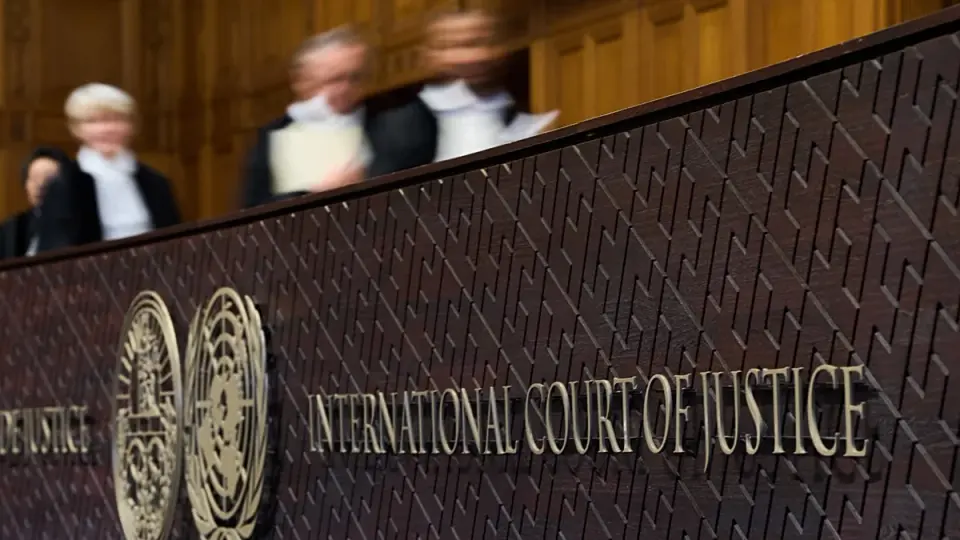
Germany is seeking to dismiss a 2024 case brought by Nicaragua at the International Court of Justice (ICJ), which accuses Berlin of facilitating genocide in Gaza through arms sales. The four-day hearing in The Hague will determine if the case proceeds to a full merits review, a process that could take years. Germany argues the court lacks jurisdiction and that Nicaragua failed procedural requirements, while Nicaragua maintains Berlin's military support violates the Genocide Convention.
Key points
- Germany filed preliminary objections to the ICJ, challenging the court's jurisdiction and the admissibility of Nicaragua's claims.
- Nicaragua accuses Germany of breaching the 1948 Genocide Convention by supplying Israel with military equipment and defunding UNRWA.
- Germany's legal team, including foreign ministry adviser Julia Monar, argued that Nicaragua did not follow required procedural steps before filing the case.
- The ICJ previously rejected Nicaragua's request for emergency measures in April 2024 but allowed the broader case to continue.
- If Germany loses this preliminary stage, the case will move to a full merits review, which could take several years to conclude.
Background
This case stems from the 2024 ICJ filing by Nicaragua, following Israel's offensive in Gaza after the October 7, 2023 attacks. Germany, a major arms supplier to Israel, has faced international scrutiny for its support. The ICJ has also been involved in a separate, high-profile case brought by South Africa against Israel for genocide, which is ongoing with written pleadings scheduled until 2029. Germany's stance is rooted in its historical responsibility and foreign policy focus on Israel's security.
How outlets are covering it
Euronews and Al Jazeera both report that Germany is challenging the case on jurisdictional and admissibility grounds, with Al Jazeera noting that Germany's legal adviser Julia Monar explicitly requested the court to reject Nicaragua's claims. Euronews highlights that Germany's arms trade is subject to 'detailed scrutiny' exceeding international law requirements, while Al Jazeera notes that 98% of exports since October 2023 were general military equipment like helmets and vests. AP News provides minimal detail, focusing on the procedural challenge. All sources agree that the ICJ's ruling on this preliminary stage will determine if the case proceeds to a full merits review, which could take years.
Why it matters
The outcome of this preliminary hearing will set a precedent for how international law addresses state support for military actions in conflict zones. If the case proceeds, it could lead to a binding ruling on Germany's obligations under the Genocide Convention, potentially impacting its arms trade and foreign policy. The ICJ's lack of enforcement power, as seen in the Russia-Ukraine case, means any ruling may not be immediately actionable, but it could have significant diplomatic and legal implications.
What to watch
The ICJ will hear arguments from both sides over four days, with Germany presenting its case on Monday and Nicaragua responding. The court is expected to rule on the preliminary objections within six months. If Germany loses, the case will move to a full merits review, which could take years. If Germany wins, the case will be dismissed. The outcome will also influence the broader discourse on international law and state responsibility in the context of the Gaza conflict.
- Germany seeks to quash Gaza genocide case at top UN court euronews.com
- Germany fights Gaza genocide claims at the top UN court AP News
- Why has Nicaragua taken Germany to the ICJ over Gaza genocide? Al Jazeera
- Germany asks UN top court to throw out Israel arms export case Reuters
- Germany to fight claims at ICJ it is ‘facilitating’ Gaza genocide by arming Israel timesofisrael.com
Want the full story? Read the original reporting
Read on euronews.com