
ICJ’s first state genocide verdict against Myanmar sets legal precedent for Gaza
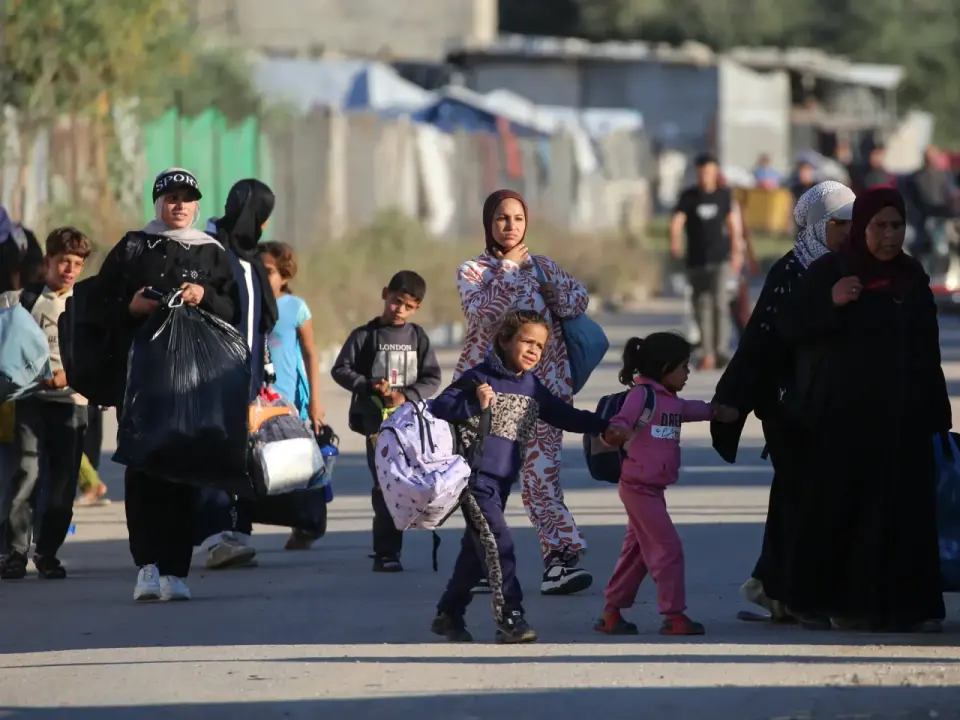
The International Court of Justice (ICJ) ruled on November 19, 2026, that Myanmar committed genocide against the Rohingya minority during its 2017 military crackdown. This is the first time a state, rather than individuals, has been found guilty of genocide under the 1948 Genocide Convention. The 9-6 decision, brought by The Gambia, found that Myanmar’s security forces acted with genocidal intent, resulting in over 10,000 deaths and the displacement of more than 700,000 people. The ruling orders Myanmar to provide reparations, including the safe return of Rohingya to their homes and the replacement of damaged property. The verdict has significant legal implications for other pending genocide cases, particularly South Africa’s claim against Israel regarding the war in Gaza.
Key points
- The ICJ ruled 9-6 that Myanmar committed genocide against the Rohingya minority in 2017, marking the first state-level genocide verdict since the court’s establishment in 1945.
- The court found that Myanmar’s security forces intentionally killed over 10,000 Rohingya, caused serious bodily harm, and prevented births, violating Article II of the Genocide Convention.
- Myanmar was ordered to provide reparations, including the safe return of Rohingya to their lands, replacement of damaged property, and compensation for affected families.
- The ruling sets a legal precedent for inferring genocidal intent from cumulative patterns of violence, which may influence South Africa’s pending genocide case against Israel over the war in Gaza.
- The ICJ lacks direct enforcement power, and Myanmar has denied the allegations, maintaining that its actions were counter-terrorism measures.
Background
The Rohingya crisis began with decades of persecution in Myanmar’s Rakhine State, culminating in a 2017 military crackdown that displaced over 700,000 people to Bangladesh. The Gambia filed the case at the ICJ in November 2019, alleging Myanmar committed genocide. Prior to this ruling, the ICJ had not found a state guilty of genocide since 1945, having only ruled on state responsibility for failing to prevent or punish genocide in cases like Bosnia v. Serbia (2007).
How outlets are covering it
Al Jazeera emphasizes the ruling’s implications for South Africa’s genocide case against Israel, noting that the ICJ’s acceptance of evidence beyond explicit written orders may lower the legal threshold for proving genocide in Gaza. The New York Times focuses on the historical context of the Rohingya crisis, highlighting the 2017 exodus and the ongoing suffering of refugees in Bangladesh. UN News stresses the legal precedents set by the ruling, particularly the court’s finding that Myanmar’s security forces acted with genocidal intent, and the orders for reparations and non-repetition. All sources agree that the ruling is historic but note the ICJ’s lack of enforcement power and Myanmar’s denial of the allegations.
Why it matters
The ICJ’s ruling against Myanmar sets a critical legal precedent for proving state-level genocide, potentially influencing ongoing cases like South Africa’s claim against Israel. It underscores the importance of international law in holding states accountable for atrocities, despite enforcement challenges. The decision may also shape future interpretations of genocidal intent, affecting how conflicts are adjudicated globally.
What to watch
Myanmar must submit a report within two years detailing the measures of restitution it has adopted and the amount of compensation. The ICJ will determine the modalities of compensation in a subsequent phase. South Africa’s genocide case against Israel is expected to take several years, with the next submission due in November 2027. The ruling may also influence other pending cases, such as Nicaragua’s suit against Germany over arms supplies to Israel.
- What does the ICJ’s Rohingya genocide ruling mean for Gaza? Al Jazeera
- The Rohingya Crisis Over the Years The New York Times
- World’s top court finds Myanmar guilty of genocide against Rohingya UN News
- Myanmar’s regime is convicted of genocide The Economist
- Myanmar genocide judgment may bolster Gaza case against Israel Reuters
Want the full story? Read the original reporting
Read on Al Jazeera