
Myanmar and China reject ICJ genocide ruling as global powers demand compliance
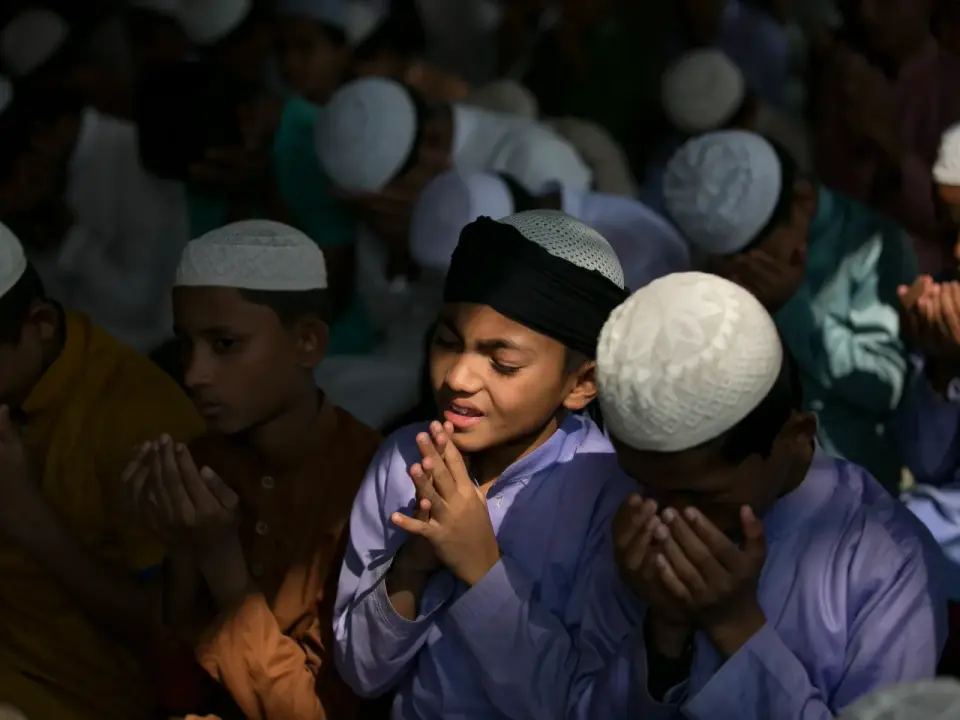
The International Court of Justice ruled that Myanmar committed genocide against the Rohingya in 2017, marking the first time a state has been found guilty under the 1948 Genocide Convention. Myanmar and China rejected the verdict, while the EU and UN demanded immediate compliance. The ruling orders reparations and safe return for displaced Rohingya.
Key points
- ICJ ruled 9-6 that Myanmar committed genocide against the Rohingya minority during a 2017 military crackdown in Rakhine State.
- Myanmar’s government called the ruling unfair and unjust, noting the decision was not unanimous.
- China criticized the verdict, stating such rulings are not conducive to dispute settlement and should not be abused.
- The court found that Myanmar forces killed approximately 10,000 people, committed widespread sexual violence, and destroyed hundreds of villages.
- The ruling requires Myanmar to provide compensation and allow the safe return of displaced Rohingya, though the ICJ lacks direct enforcement power.
- The US reacted cautiously, emphasizing the need to avoid politicizing the court, while the EU called the decision a landmark obligation under international law.
Background
This ruling follows the 2017 crackdown that displaced over 700,000 Rohingya to Bangladesh. Previous coverage noted that this is the first time a state, rather than individuals, has been found guilty of genocide. The decision has legal implications for other pending cases, including South Africa’s claim against Israel regarding Gaza. Myanmar is currently in a multi-fronted civil war, complicating enforcement.
How outlets are covering it
Al Jazeera and Reuters reported that Myanmar’s spokesperson Khaing Khaing Soe called the ruling unfair, while China’s foreign ministry argued the ICJ was abusing its jurisdiction. The New York Times highlighted the historical significance of the ruling as the first state-level genocide finding. The Guardian noted the US’s cautious stance, warning against politicization, contrasted with the EU’s strong demand for immediate compliance. The Guardian also mentioned that the ruling could set a precedent for the pending genocide case against Israel, though the US has pushed back on that specific case.
Why it matters
The ruling establishes a legal precedent for holding states accountable for genocide, potentially influencing other international cases. It highlights the tension between international law and geopolitical alliances, as China and Myanmar reject the verdict. The lack of enforcement mechanisms raises questions about the practical impact of the ruling on the Rohingya crisis and future conflicts.
What to watch
Myanmar is expected to continue rejecting the ruling, while the UN Security Council may discuss the verdict. The EU and other nations will likely pressure Myanmar for compliance. The ruling may influence ongoing genocide cases, including those involving Israel and Russia, though outcomes are not guaranteed. Malaysia plans to resettle 10,000 Rohingya migrants in Turkey, addressing part of the refugee crisis.
- Myanmar, China object to landmark ICJ ruling on Rohingya genocide Al Jazeera
- The Rohingya Crisis Over the Years The New York Times
- Rights groups urge sanctions after ICJ finds Myanmar guilty of genocide against Rohingya PBS
- Myanmar genocide judgment may bolster Gaza case against Israel Reuters
- US reacts cautiously to Myanmar genocide ruling as EU praises ‘critical’ role of UN’s top court The Guardian
Want the full story? Read the original reporting
Read on Al Jazeera