
Carney pitches 'unique' EU alliance to diversify trade, sparking debate over agricultural risks
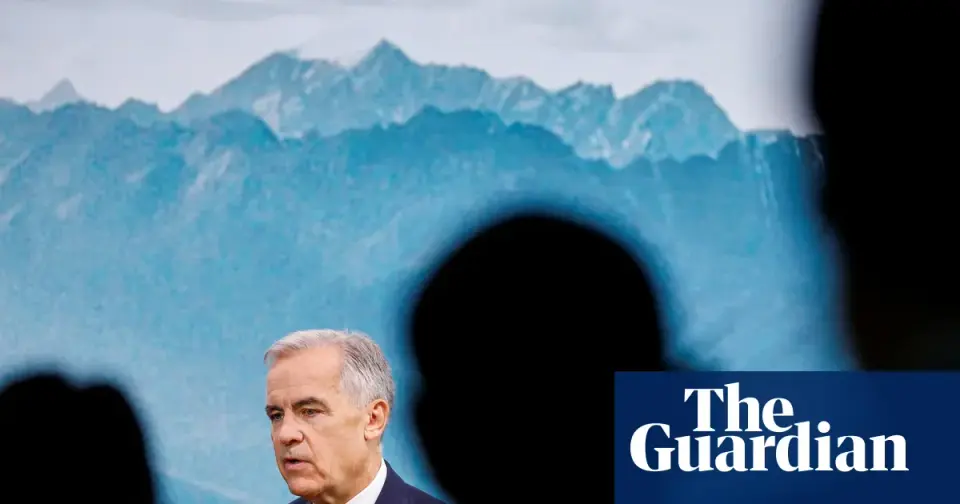
Prime Minister Mark Carney is pursuing a 'unique security and economic alliance' with the European Union to reduce Canada's reliance on the United States. While Ottawa seeks closer ties in defense and trade, critics warn that deeper EU integration could impose restrictive agricultural regulations and fail to replace the US market. The move follows a fractured relationship with Washington and aims to attract foreign investment through new incentives.
Key points
- Carney described the proposed relationship with the EU as a 'unique alliance' rather than full membership, emphasizing cooperation on defense, raw materials, and energy.
- The initiative follows 18 months of strained US-Canada relations, with Carney framing the US trade approach as weaponized economic integration.
- Canada is the only non-European member of the EU's €150bn defense loans scheme, a key step in the new partnership.
- Carney announced a corporate tax 'mega-deduction' and opened four major airports to foreign investment to attract capital.
- EU-Canada trade reached €130bn in 2025, an 80% increase since 2016, but remains far below the US$880bn trade with the US.
- Ten EU member states, including France and Italy, have not yet ratified the Ceta trade agreement, hindering full implementation.
Background
This development follows earlier reports in September 2026 that Carney was exploring an 'associate membership' status with the EU, a concept Brussels has not formally endorsed. Previous tensions included US threats to ban Bombardier aircraft and broader trade disputes. Carney had previously warned that the US was using economic integration as a tool of coercion, prompting Ottawa to seek alternative partnerships.
How outlets are covering it
The Guardian highlights the strategic pivot toward Europe as a 'safe harbour' for capital, noting Carney's optimism about diversifying partnerships. The National Post criticizes the PMO's communication strategy, arguing that the 'associate membership' narrative is a confusing 'trial balloon' that mirrors Justin Trudeau's past tactics, despite poll data showing 49% of Canadians support full EU membership. Canadian Cattlemen and agricultural experts, such as Pierre Petelle of CropLife Canada, warn that EU regulations on crop technology could be an 'unmitigated disaster' for Canadian farmers, noting that the EU cannot replicate the integrated supply chains of the US market. The Peace Brigades International article is unrelated to the trade story and focuses on human rights advocacy.
Why it matters
The shift toward a closer EU alliance represents a fundamental realignment of Canadian foreign and economic policy. It seeks to mitigate the economic risks posed by US trade policies while attempting to attract global investment. However, the success of this strategy depends on navigating complex EU regulations, particularly in agriculture, and overcoming the lack of full ratification of existing trade agreements like Ceta.
What to watch
Carney is scheduled to address the European Parliament in Strasbourg, where EU Commission President Ursula von der Leyen is expected to outline new areas of cooperation. A Canada-EU summit is planned for late October in Montreal. The outcome of these talks will determine the specific terms of the 'unique alliance,' including potential changes to visa policies and trade regulations.
- Carney says Canada will pursue ‘unique security and economic alliance’ with EU amid US trade spat The Guardian
- Chris Selley: Carney's EU cuteness is an unwelcome return to Justin Trudeau's playbook National Post
- European alliance a risk for Canadian farmers Canadian Cattlemen
- PBI-Canada seeks to strengthen the accompaniment of human rights defenders with the European Parliament office in Ottawa Peace Brigades International-Canada
- Carney heads to France seeking deeper ties with EU on defence, trade and people CityNews Calgary
Want the full story? Read the original reporting
Read on The Guardian