
EU Lawmakers Demand Commission Block US Sanctions on ICC
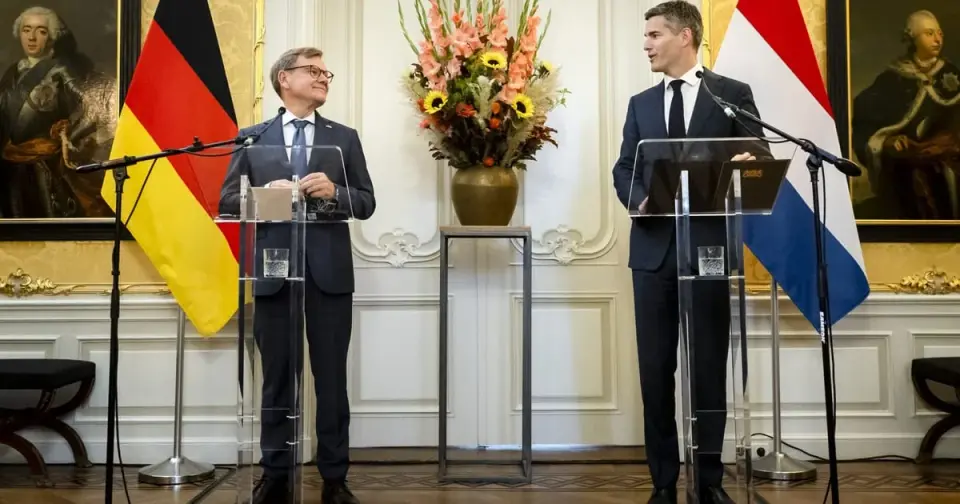
European Parliament members are urging the European Commission to activate the EU blocking statute to shield the International Criminal Court (ICC) from U.S. sanctions. Washington has already targeted nine judges and four prosecutors following the ICC’s issuance of an arrest warrant for Israeli Prime Minister Benjamin Netanyahu. Lawmakers argue that automatic compliance with U.S. financial restrictions by European banks undermines European sovereignty and the rule of law. German and Dutch foreign ministers have publicly supported the court, with the Netherlands positioning the blocking statute as a critical 'nuclear option' to prevent operational paralysis for the Hague-based institution.
Key points
- The U.S. has sanctioned nine ICC judges and four prosecutors, including President Tomoko Akane, in response to the court’s warrant for Benjamin Netanyahu.
- EU lawmakers, including Dirk Gotink and Aurore Lalucq, called on the Commission to invoke the blocking statute to prevent European firms from complying with U.S. sanctions.
- Dutch Foreign Minister Tom Berendsen described the blocking statute as the 'nuclear option' to protect the ICC’s operational capabilities, such as paying staff and maintaining IT services.
- German Foreign Minister Johann Wadephul visited the ICC in The Hague to show support, a move notable given Germany’s traditional alignment with Israel.
- Critics highlight that European banks currently apply U.S. sanctions automatically, often within hours, a practice lawmakers describe as outdated and harmful to European autonomy.
Background
This escalation follows months of tension between Washington and the Hague-based court. In August, the U.S. sanctioned ICC leadership, prompting EU statements on judicial independence. In September, reports indicated the U.S. was preparing broad sanctions that would cut off most transactions with the ICC after a grace period, threatening its financial stability and IT infrastructure. The current push for the blocking statute represents a shift from diplomatic protest to potential legal countermeasures by the EU.
Why it matters
The potential activation of the EU blocking statute marks a significant test of transatlantic legal and financial alignment. It could establish a precedent for European resistance to extraterritorial U.S. sanctions, impacting global financial flows and the operational viability of international judicial bodies. The outcome will define the extent of European autonomy in enforcing its own values against U.S. pressure.
What to watch
The European Commission must decide whether to formally invoke the blocking statute. If enacted, it would legally prohibit EU entities from complying with U.S. sanctions against the ICC. The U.S. administration may respond with further diplomatic or economic measures, while the ICC continues to seek alternative financial and technological support to maintain operations.
Want the full story? Read the original reporting
Read on politico.eu