
Hungary and Russia exchange diplomatic expulsions as Budapest pivots away from Moscow
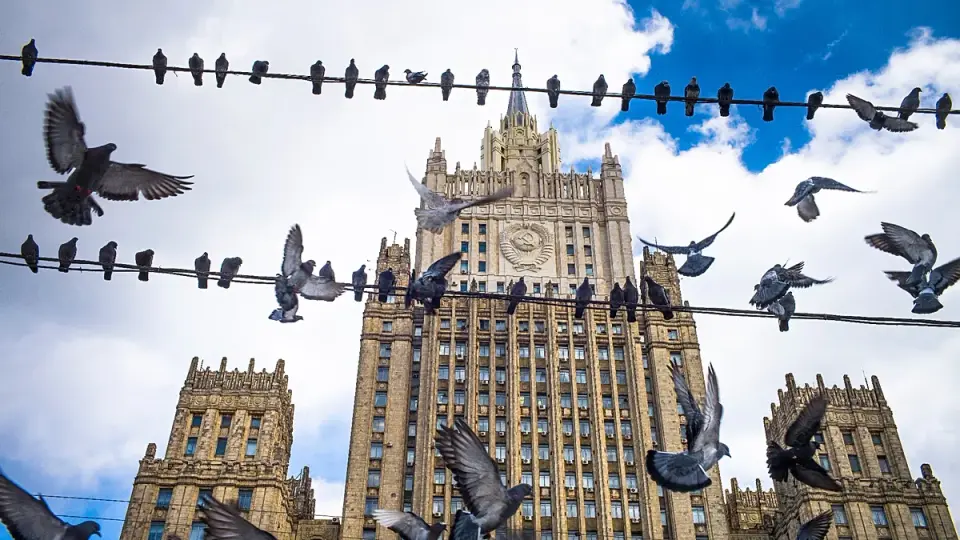
Russia has ordered Hungarian diplomats to leave Moscow, St. Petersburg, and Kazan within two weeks, retaliating for Budapest's expulsion of ten Russian staff in September. This marks a decisive break from the pro-Moscow stance of former Prime Minister Viktor Orbán, as the new government under Péter Magyar aligns Hungary more closely with EU positions on the Ukraine war while maintaining pragmatic ties with Russia.
Key points
- On October 1, Russia summoned Hungary's chargé d'affaires, Gábor Gergics, to order the departure of diplomatic staff from its embassy in Moscow and consulates in St. Petersburg and Kazan within 14 days.
- This move is a direct retaliation for Hungary's September 8 expulsion of ten Russian diplomats, whom Foreign Minister Anita Orbán accused of engaging in activities incompatible with the Vienna Convention and a threat to national security.
- The dispute follows a significant shift in Hungarian foreign policy since Prime Minister Péter Magyar took office in April, replacing Viktor Orbán's 16-year tenure which was characterized by close ties with Moscow and vetoes against EU sanctions.
- Hungary's new government officially described Russia as a threat to the 'global order' and condemned its war in Ukraine during the UN General Assembly in late August, a stark contrast to Orbán's previous support for the Kremlin.
- Despite the diplomatic friction, Budapest stated it is not interested in escalating tensions and intends to maintain its diplomatic presence in Russia, while Moscow described the initial Hungarian expulsion as 'baseless and openly unfriendly.'
Background
This escalation follows Hungary's initial expulsion of ten Russian diplomats on September 8, 2026, which was widely interpreted as a signal that Budapest was abandoning the pro-Russian stance of the Orbán era. Previous coverage noted that while the new government under Péter Magyar sought to improve relations with Kyiv, it continued to block certain EU accession negotiations with Ukraine to protect the rights of the Hungarian minority in Transcarpathia. The current diplomatic row occurs against a backdrop of broader NATO-Russia tensions, including recent military exercises in the Baltic Sea and Russian warnings regarding the Kaliningrad exclave.
How outlets are covering it
Euronews emphasizes the symbolic nature of the expulsions as a definitive end to the Orbán era, highlighting the new government's alignment with EU norms regarding the Ukraine war. PressTV frames the incident within a broader context of escalating NATO-Russia tensions, linking the diplomatic dispute to Russian nuclear warnings over Kaliningrad and recent military activity in the Baltic. Hungarian Conservative notes that despite earlier threats of a 'harsh and painful' response, Moscow has limited its retaliation to diplomatic measures, avoiding energy sanctions that could impact Hungary's heavy reliance on Russian oil and gas. Ukrainian National News focuses on Budapest's refusal to remain silent about Moscow's actions, underscoring the shift in Hungary's posture from a passive observer to an active participant in the diplomatic confrontation.
Why it matters
The mutual expulsions signal a fundamental realignment of Hungary's foreign policy within the European Union. By expelling Russian diplomats, Budapest has moved away from the isolationist and pro-Kremlin stance of the Orbán government, potentially strengthening EU cohesion on sanctions and security matters. However, the limited scope of Russia's retaliation suggests that Moscow is cautious about triggering a broader economic crisis, given Hungary's continued dependence on Russian energy. This diplomatic friction may influence future EU negotiations regarding Ukraine's accession and the rights of the Hungarian minority in Transcarpathia, as Budapest seeks to balance its new security posture with pragmatic economic interests.
What to watch
Hungarian diplomats are expected to leave Russia within two weeks, as per the deadline set by Moscow. The situation may further deteriorate if Russia escalates beyond diplomatic measures, though Hungarian Conservative notes that energy sanctions have not been implemented. Budapest is likely to continue its 'pragmatic' approach, maintaining dialogue with Moscow while aligning with EU positions on the Ukraine war. The outcome of these diplomatic maneuvers will also influence Hungary's stance in ongoing EU negotiations regarding Ukraine's accession and the protection of the Hungarian minority in Transcarpathia.
- Russia expels Hungarian diplomats as Budapest breaks with Orbán era Euronews.com
- Russia expels Hungarian diplomats in tit-for-tat move Reuters
- Russia expels Hungarian diplomats, warns NATO of nuclear response to military buildup PressTV
- Moscow’s ‘Harsh and Painful’ Response to Hungary Stops at Diplomatic Expulsions hungarianconservative.com
- Russia expels Hungarian diplomats: Budapest refuses to remain silent about Moscow's actions Українські Національні Новини (УНН)
Want the full story? Read the original reporting
Read on Euronews.com