
Japan-Russia Talks Stall as Moscow Links Journalist’s Release to Sanctions Relief
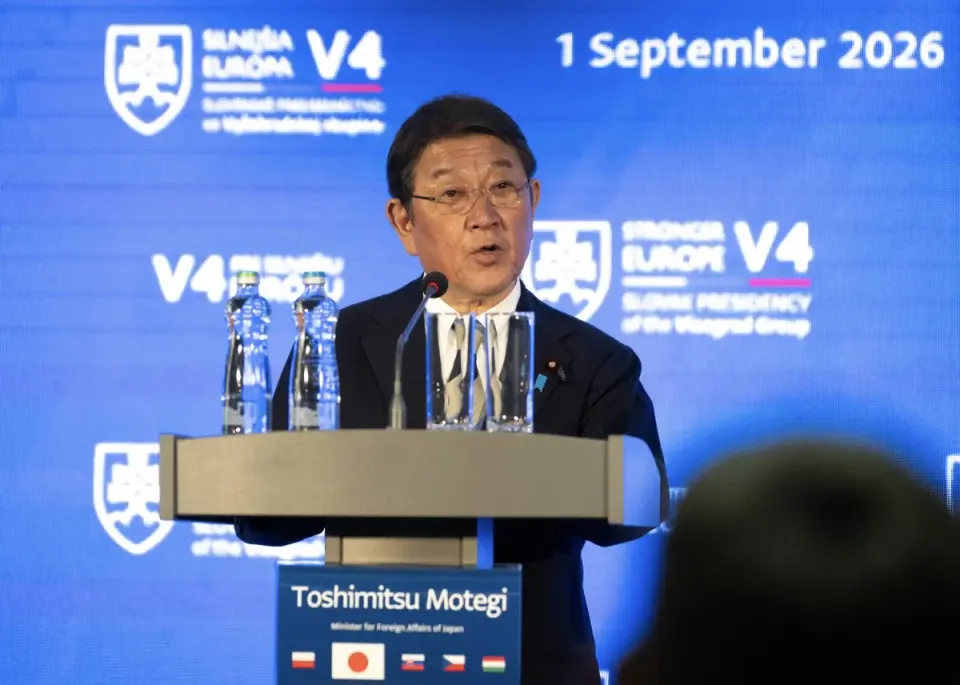
Japanese Foreign Minister Toshimitsu Motegi and Russian counterpart Sergey Lavrov failed to reach an agreement on the release of detained Japanese journalist Yuki Imai during a meeting in Georgia. While Tokyo prioritized the journalist's immediate release, Moscow refused to discuss the detention, instead demanding the lifting of sanctions as a precondition for dialogue. Japanese officials suspect Russia is using the case as leverage, noting that the Federal Security Service (FSB) controls the detention, not the Foreign Ministry. Japan remains unwilling to lift sanctions without Russian troop withdrawals, while Moscow has suspended peace treaty negotiations over the Kuril Islands.
Key points
- Motegi and Lavrov met on the sidelines of the G20 foreign ministers gathering in Georgia on Friday, November 2, 2026.
- Moscow refused to address the detention of Hokkaido Shimbun reporter Yuki Imai, instead demanding Japan abandon 'unfriendly policies' and lift sanctions.
- Japanese officials believe the FSB, not the Foreign Ministry, controls the case, limiting diplomatic leverage.
- Japan maintains its stance against lifting sanctions unless Russia withdraws troops from Ukraine.
- The meeting occurred amid broader geopolitical tensions, including ongoing wars in Ukraine and Iran and high oil prices.
Background
The detention of Yuki Imai on Sakhalin Island in mid-October 2026 marked the first arrest of a foreign journalist in Russia since 2024. The FSB accused him of espionage, specifically gathering intelligence on Russian defense capabilities. This incident escalated tensions over the disputed Kuril Islands and Japan's support for Western sanctions against Russia. Prior to this, Japan had also condemned Russia's attempts to extradite International Criminal Court officials, including President Akane Yamamoto, to Moscow.
How outlets are covering it
Asia News Network emphasizes the diplomatic stalemate, highlighting that Lavrov did not even explain Russia's position on the detention, suggesting the Foreign Ministry has limited influence over the FSB. It notes Japan's lack of bargaining chips compared to the U.S., which recently secured the release of a detained teacher via a diesel fuel deal with President Trump. Kyodo News confirms the meeting took place on the sidelines of the G20 gathering in Georgia but provides no additional detail on the content of the Motegi-Lavrov conversation, focusing instead on the broader G20 context and other unrelated news items. Both sources agree on the core facts of the meeting but differ in depth regarding the diplomatic dynamics and historical precedents of hostage-taking for leverage.
Why it matters
The failure to resolve the journalist's detention signals a deepening diplomatic rift between Japan and Russia, complicating Tokyo's ability to navigate its dual role as a G7 member supporting Ukraine and a neighbor seeking resolution on the Kuril Islands. The use of a journalist as a bargaining chip for sanctions relief mirrors tactics Russia has employed with other nations, raising concerns about the safety of foreign nationals in Russia and the effectiveness of traditional diplomatic channels. This stalemate may further isolate Japan from Moscow and impact regional security dynamics in the Pacific.
What to watch
Japan plans to explore various diplomatic channels to secure Imai's release, though officials acknowledge uncertainty about which methods will be effective. Moscow is likely to maintain its demand for sanctions relief as a condition for any dialogue. The situation may influence the upcoming G20 summit in Florida in December, where energy security and geopolitical tensions are expected to be key topics. Japan may also seek support from other G20 members to pressure Russia, though no immediate breakthrough is anticipated.
- Japan, Russia remain at odds over detained Japanese journalist as Moscow demands end to sanctions Asia News Network
- Japan demands release of national in meeting with Russia's Lavrov Reuters
- Russia has seized a Japanese journalist The Economist
- Kyodo News Digest: Oct. 31, 2026 Japan Wire by Kyodo News
- Press release on Foreign Minister Sergey Lavrov’s meeting with Foreign Minister of Japan Toshimitsu Motegi Министерство иностранных дел России
Want the full story? Read the original reporting
Read on Asia News Network