
SCO Bishkek Declaration Condemns Iran Strikes, Sanctions; Modi Presses Putin on Ukraine
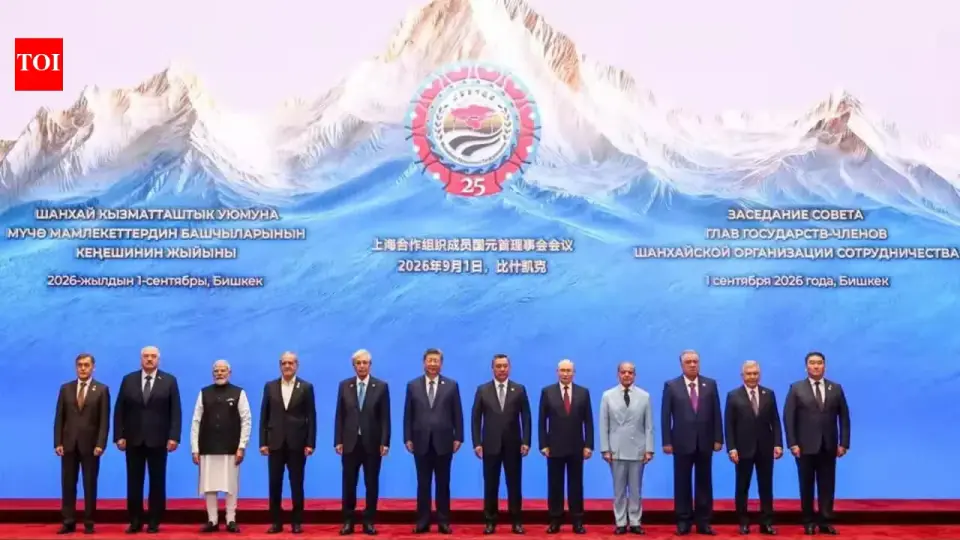
At the 2026 SCO summit in Bishkek, member states including India issued the Bishkek Declaration, condemning US-Israel military strikes on Iran and Western unilateral sanctions. The bloc affirmed Iran’s sovereignty and right to peaceful nuclear energy under the NPT. Simultaneously, PM Modi publicly urged President Putin to end the war in Ukraine, marking a notable shift in India’s diplomatic stance.
Key points
- The Bishkek Declaration condemned military strikes on Iran, citing civilian casualties and economic damage, while supporting Iran’s sovereignty and territorial integrity.
- SCO members opposed unilateral coercive measures and Western sanctions, advocating for a multilateral trading system based on WTO rules.
- India and other members expressed condolences for the death of former Iranian Supreme Leader Ali Khamenei, though the declaration did not explicitly name the US or Israel.
- PM Modi urged Putin to end the war in Ukraine, stating that 'every day spent in war pushes humanity back,' a move interpreted as a test of India’s strategic autonomy.
- The summit reaffirmed opposition to terrorism and 'double standards' in counter-terrorism efforts, with India and Pakistan exchanging accusations regarding cross-border terror support.
Background
The SCO, comprising 10 member states including China, Russia, India, and Iran, serves as a platform for nations seeking alternatives to Western-dominated institutions. Previous summits, such as the 2025 Tianjin Declaration, had already condemned US-Israel strikes on Iran. India has historically maintained a neutral stance on the Ukraine war, balancing its reliance on Russian oil with Western diplomatic ties. The 2026 summit follows a period of escalating tensions, including US tariffs on India for purchasing Russian oil and the ongoing conflict in the Middle East.
How outlets are covering it
The Times of India highlights India’s formal endorsement of the condemnation of Iran strikes, noting a shift from its earlier bilateral neutrality. Al Jazeera emphasizes the bloc’s unified stance against Western sanctions and support for Iran’s NPT rights. The i Paper frames Modi’s call for peace in Ukraine as a public rebuke of Putin, suggesting Russia’s growing isolation among its allies. BBC analysts view Modi’s comments as consistent with India’s long-standing policy of strategic autonomy rather than a tactical shift, noting that Western capitals have long pressured India to take a clearer stand.
Why it matters
The Bishkek Declaration signals a deepening alignment among non-Western powers against US-led military and economic actions. India’s public pressure on Putin over Ukraine may influence Moscow’s war strategy and affect global energy markets, given India’s role as a major purchaser of Russian oil. The summit also underscores the SCO’s role in shaping counter-narratives to Western foreign policy, particularly regarding terrorism and trade.
What to watch
Analysts expect continued diplomatic friction between the West and SCO members over sanctions and military actions in the Middle East. India’s stance on Ukraine may face further scrutiny from Western allies, while Russia’s response to Modi’s plea will determine the future of Indo-Russian relations. The SCO may pursue deeper economic and energy cooperation to mitigate the impact of Western sanctions.
- India on board, SCO reiterates condemnation of Iran attacks The Times of India
- Ukraine war: What to make of Modi's plea to Putin to end conflict BBC
- SCO slams attacks, sanctions on Iran: Key takeaways from Bishkek summit Al Jazeera
- Putin-Modi meeting at SCO: Can Russia-India ties hold? DW.com
- Putin has just been publicly humiliated. Even his friends are fed up The i Paper
Want the full story? Read the original reporting
Read on The Times of India