
Ukraine Hails India’s Black Sea Truce Plan as Most Comprehensive of Four
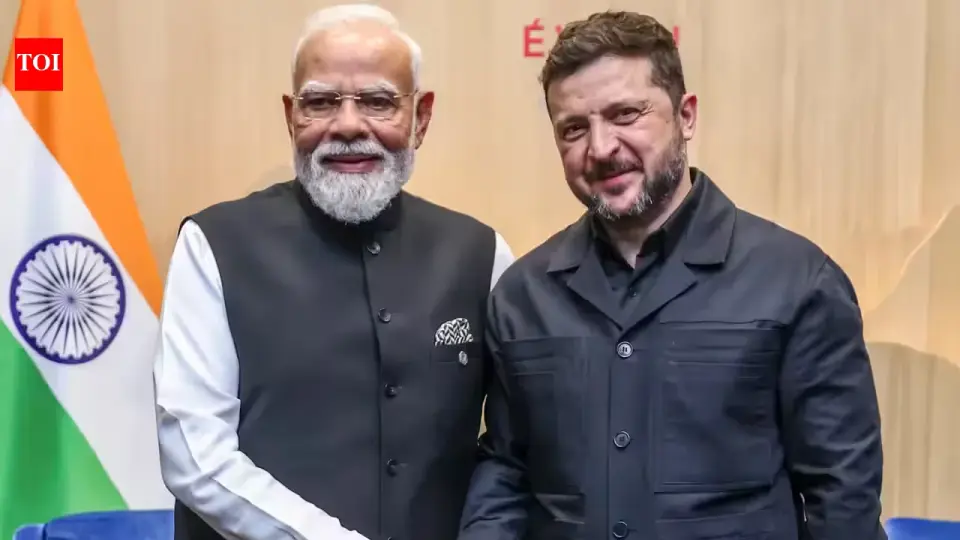
Ukraine’s foreign minister Andrii Sybiha has designated India’s proposal for a Black Sea truce as the 'most comprehensive' among four active diplomatic initiatives. Kyiv is prepared to accept a combined energy and agricultural ceasefire, provided it includes a halt to attacks on port and energy infrastructure. While India has signaled its willingness to mediate, Russia’s response remains the critical variable for any progress.
Key points
- Ukrainian FM Andrii Sybiha stated that India’s proposal is the most detailed of four initiatives currently under review, marking New Delhi’s first active mediating role.
- Kyiv is open to an energy and Black Sea truce only as a linked package, requiring a complete stop to attacks on energy facilities and port infrastructure.
- Other proposals include a grain truce from Türkiye and Egypt, and an energy truce from the US, which was discussed between Presidents Zelenskyy and Trump.
- India’s External Affairs Minister S Jaishankar recently visited Kyiv, affirming New Delhi’s readiness to assist in ending the conflict and mitigating global food security risks.
- Russia’s Kremlin spokesman Dmitry Peskov stated there are no prerequisites for peace talks, but European leaders remain divided on Moscow’s genuine willingness to negotiate.
Background
This development follows recent escalations in the Russia-Ukraine war, including significant strikes on Ukrainian cities and Black Sea shipping in September 2026. Earlier in October, Kyiv had already accepted the framework of a combined energy and Black Sea truce, viewing it as a potential outcome of a direct Zelenskyy-Putin meeting. The current diplomatic push builds on India’s ongoing engagement with both Moscow and Kyiv, including Prime Minister Modi’s discussions with Putin at the SCO and BRICS summits.
How outlets are covering it
The Times of India and Hindustan Times both highlight Sybiha’s praise for India’s proposal, noting that New Delhi has moved from passive dialogue to active mediation. The Indian Express was inaccessible due to a server error. While the US and Türkiye/Egypt have proposed narrower truces, India’s plan is viewed as more holistic. However, perspectives on Russia’s intent vary: German Chancellor Friedrich Merz claims Moscow is not interested in genuine peace, while foreign minister Johann Wadephul expects talks to begin soon. The Kremlin maintains it is open to talks without prerequisites, creating a gap between diplomatic optimism and on-the-ground reality.
Why it matters
India’s emerging role as a mediator could influence the pace of de-escalation in the Black Sea, which is vital for global food security, particularly for Egypt, which relies on Ukrainian grain for a third of its supply. A successful truce could prevent further winter energy crises and stabilize global supply chains, marking a significant shift in India’s foreign policy engagement in the conflict.
What to watch
The next steps depend on Russia’s response to the four proposals. If Moscow agrees to the energy and Black Sea components, it could lead to a broader unconditional ceasefire along the line of contact. Diplomatic efforts may accelerate if a meeting between Zelenskyy and Putin is scheduled, though European leaders remain cautious about Moscow’s commitment to substantive negotiations.
- 'Most comprehensive plan': Ukraine confirms India playing role in mediating energy truce in Black Sea The Times of India
- Turkey and UN Broker Talks on Russia-Ukraine Black Sea Truce Bloomberg.com
- Indian proposal for Ukraine truce ‘most comprehensive’, says Ukrainian foreign minister Andrii Sybiha Hindustan Times
- India proposal to end war most comprehensive, says Ukraine The Indian Express
- Russia pretends it does not need a grain deal UkrAgroConsult
Want the full story? Read the original reporting
Read on The Times of India